
Last updated November 24, 2026
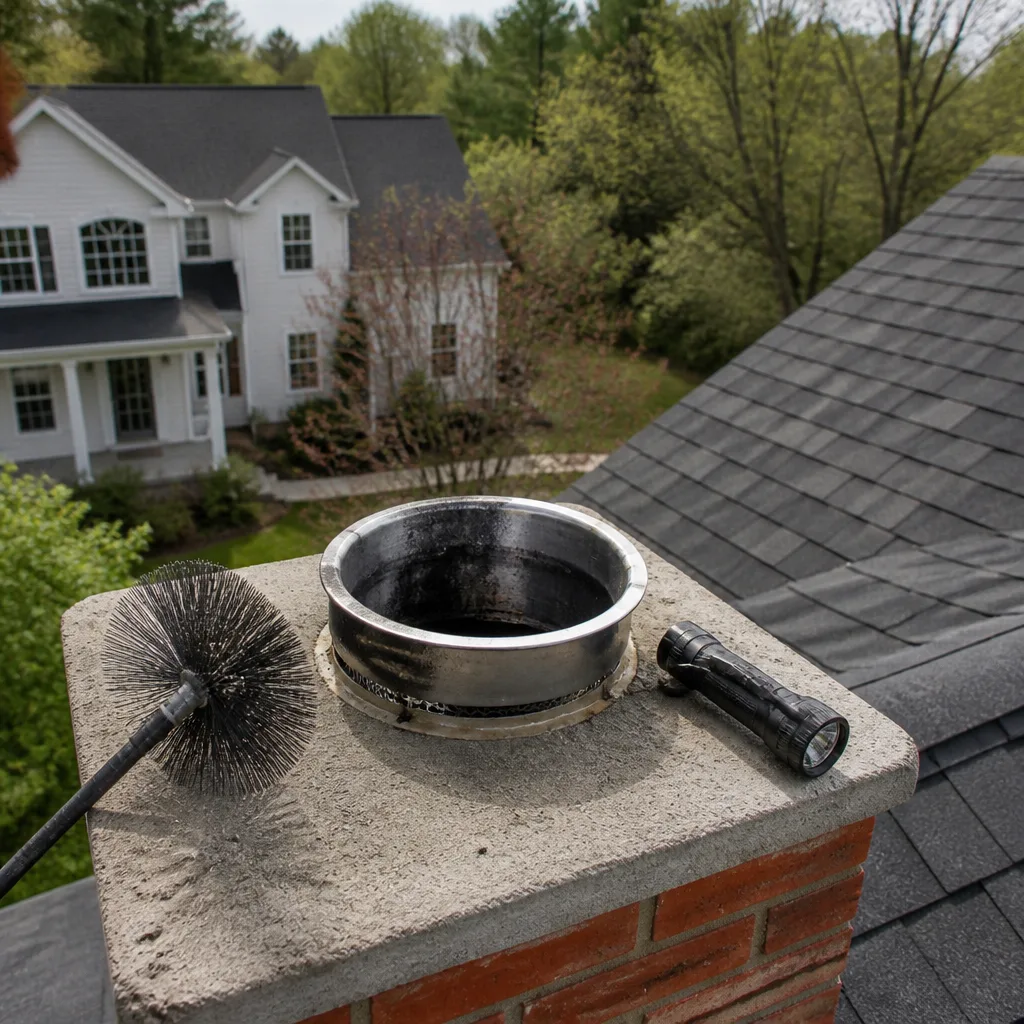 Sweep & inspection
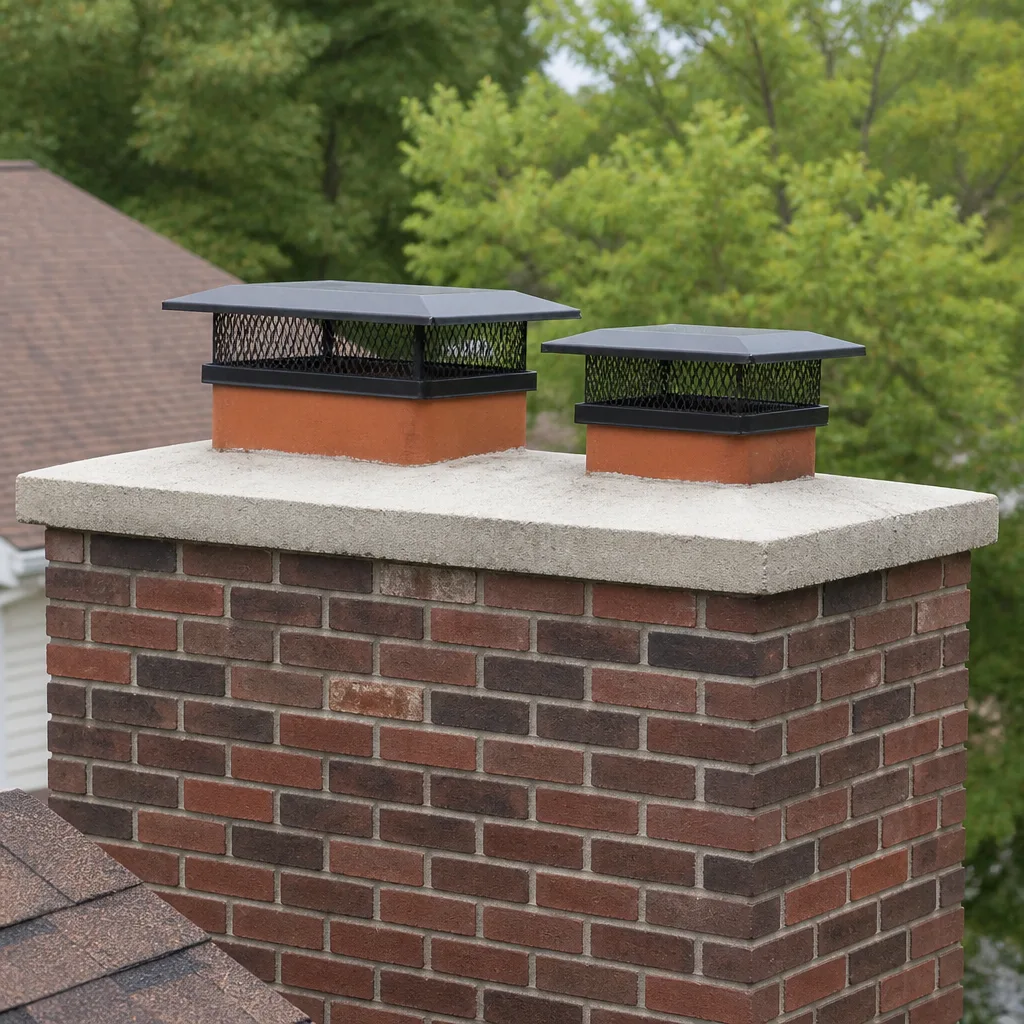 Caps & crowns
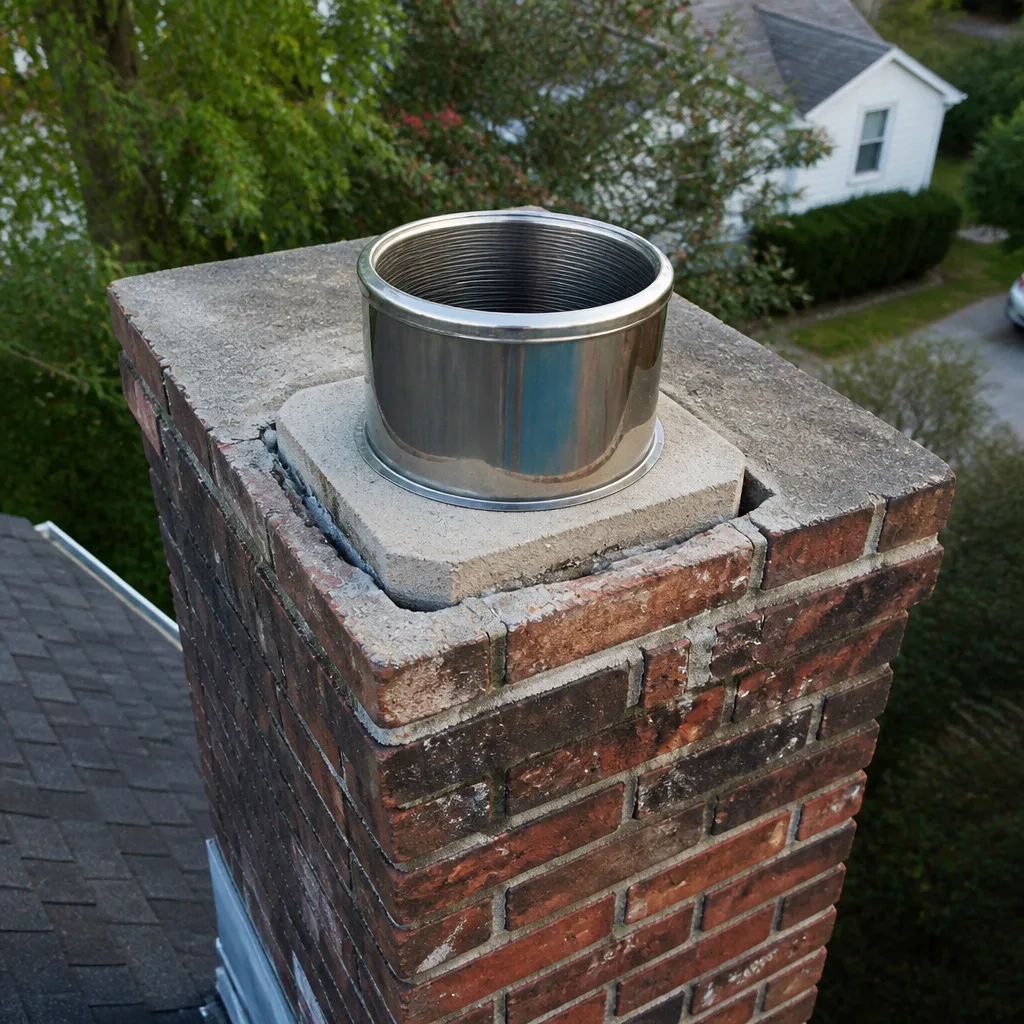 Flue relining
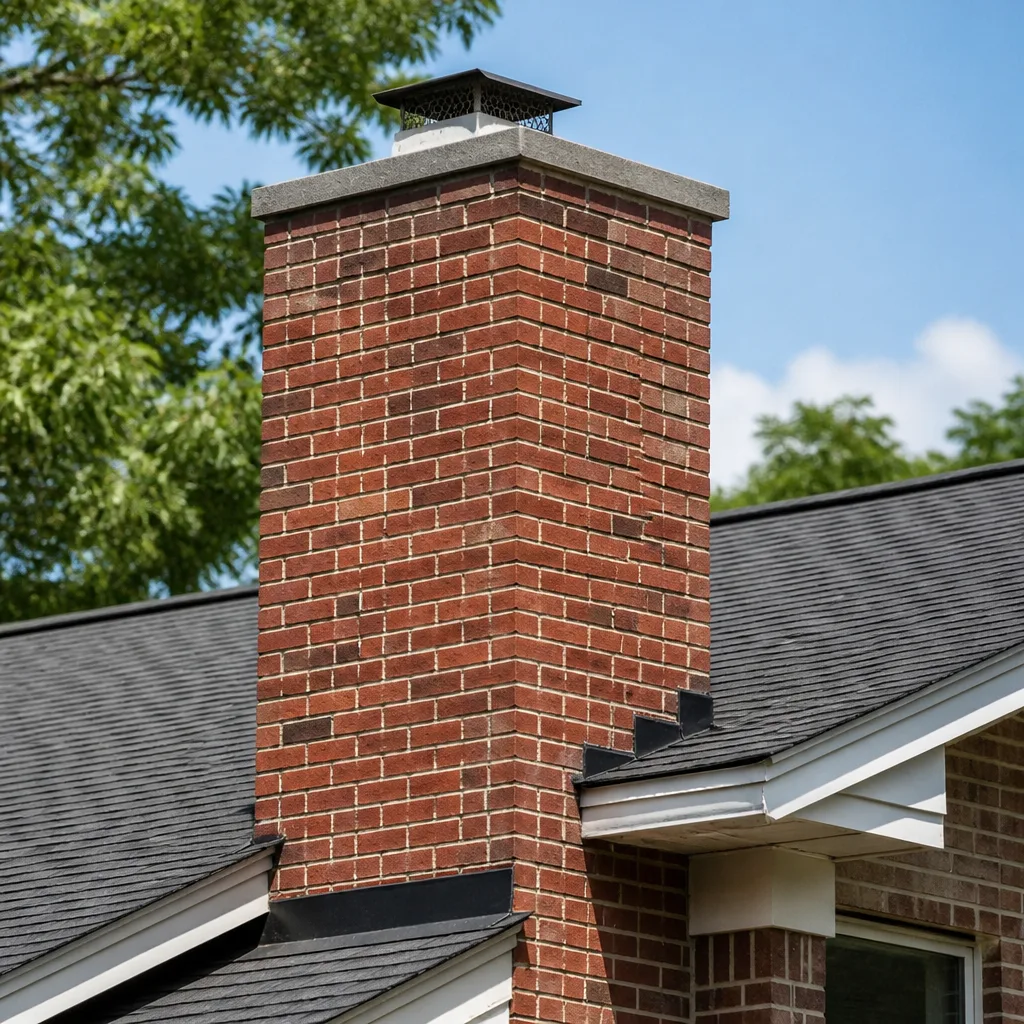 Masonry repair
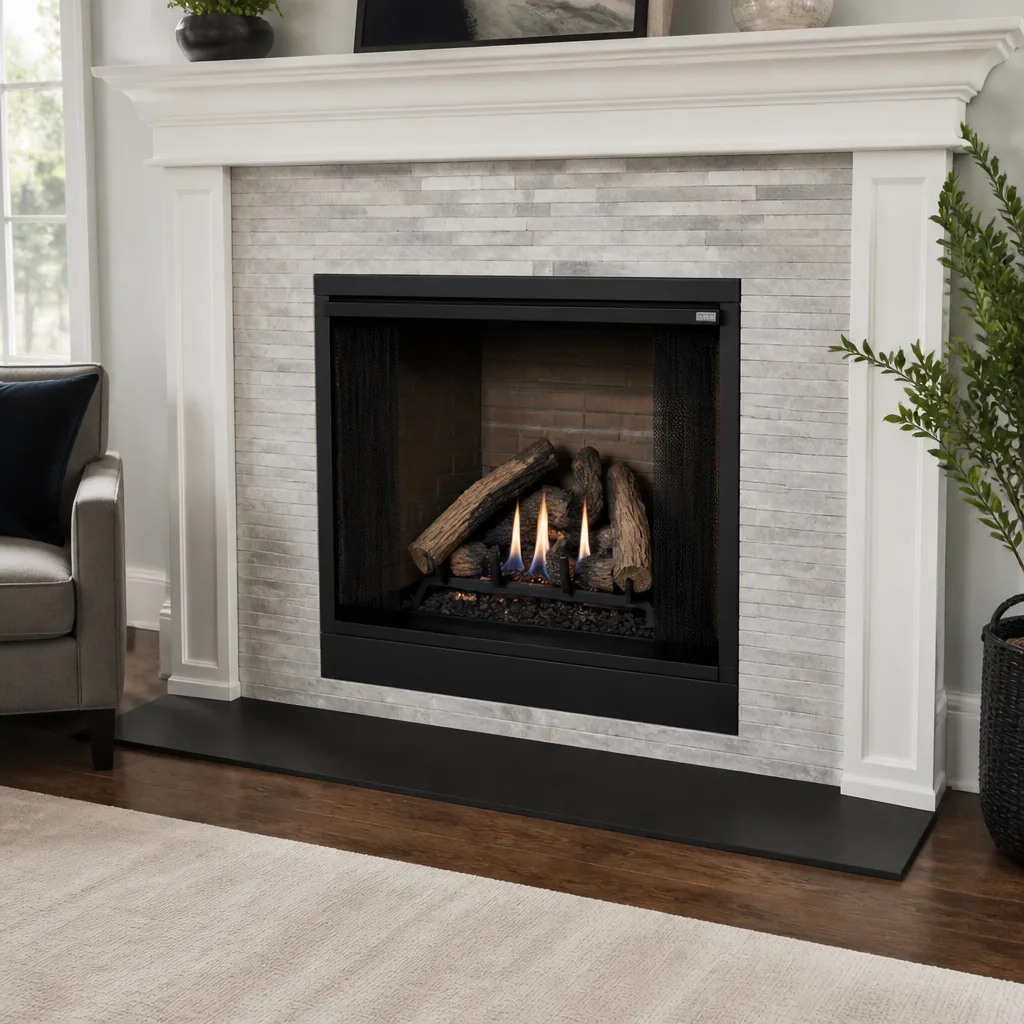 Gas fireplace service
Level 1 sweep and inspection to the NFPA 211 annual standard - flue, crown, cap, and flashing checked and photographed
Chimney sweep logs do not sweep chimneys. They loosen some creosote - which then falls where a brush and vacuum still have to collect it.
Chimney Cleaning Cost Breakdown: The Green Hills Homeowner’s Reference for 2026
The cheapest number on a chimney flyer is rarely the number you pay. A low advertised sweep usually buys a brush pass and a vacuum, nothing more. It skips the smoke chamber inspection, the liner assessment and the written report that tell you what condition your flue is actually in. Once the technician is in your driveway, the upsell conversation begins, and you have no document to check it against. This guide explains the real price structure behind a chimney sweep in Green Hills: the honest base rate, the add-ons that change with fireplace type and creosote stage, and the five line items every written estimate should carry so two quotes can be compared fairly.
Quick Answer
A standard single-flue chimney cleaning in Green Hills in 2026 typically runs $175 to $325, and a Level 2 inspection is usually $100 to $200 more than a Level 1. The final figure depends on three things: your fireplace type, how far the creosote has built up (Stage 1, 2 or 3), and whether the job needs a standard brush or a rotary system. Repair work found during the sweep is priced separately, in writing, before anything is started.
Styles & brands we work with
- Sweep & inspection
- Caps & crowns
- Flue relining
- Masonry repair
- Gas fireplace service
Table of Contents
- What is the honest base rate for a chimney sweep in Green Hills?
- What line items belong on a written estimate?
- Level 1 vs. Level 2 inspection: what changes the price?
- How does creosote stage change what you pay?
- Does fireplace type change the cleaning cost?
- What repairs most often follow a cleaning?
- How do you compare two chimney quotes accurately?
- Why Green Hills homes see buildup the way they do
What is the honest base rate for a chimney sweep in Green Hills?
A fair base rate for a standard single-flue sweep in Green Hills in 2026 is $175 to $325. That range covers a full brush-and-vacuum clean of one flue, a visual check of the firebox and damper, and a written note of what was found. Anything below $120 deserves a second look, because the time and equipment to clean a flue properly do not fit under that number. The low figure is almost always a lead-in price.
What separates a fair price from a loss leader is what happens after the brush comes out. A fair sweep ends with a document. A loss leader ends with a sales pitch. If the technician can’t show you a photo of what they found or hand you a written summary, the $89 special wasn’t a sweep. It was a sales call.
In our experience across Green Hills, most homes have one flue and a traditional masonry fireplace, so the base rate is the number that applies. Two-flue homes and homes with a wood insert or a freestanding stove sit higher, because each flue is cleaned and documented on its own. A wood insert also has to be pulled and re-seated, which is real labor.
Our technicians have up to 14 years of experience, and they price the sweep as a flat figure agreed before the appointment is booked. The local professional we connect you with is licensed and insured as their state requires, and the written estimate sets the final price. Call (866) 990-4158 for an exact quote.
Typical base sweep pricing, Green Hills 2026
- Single-flue masonry sweep: $175 to $325
- Two-flue sweep: $300 to $525
- Wood insert (pull, clean, re-seat): $275 to $425
- Freestanding stove flue: $200 to $350
- Written sweep report: included in the sweep price
What line items belong on a written estimate?
Five line items should appear on every written chimney estimate in Green Hills. If any is missing, the quote can’t be compared to another one, and you’ll be guessing at the final number. Ask for the estimate in writing before the appointment, and read all five before you agree.
- Base sweep, stated as a flat figure. One number for the clean, not an hourly rate and not “starting at.”
- Inspection level and price. Level 1 or Level 2, stated plainly, with the difference in cost shown separately.
- Cleaning method. Standard brush or rotary system, and which one your flue needs and why.
- Creosote stage noted. Stage 1, 2 or 3, with the price that goes with that stage.
- Repairs listed separately. Each repair priced on its own, with the option to decline.
That structure is how a homeowner avoids the driveway surprise. The base rate is agreed. The inspection price is agreed. The repair work, if any, is presented as a separate written line that you can accept, decline or get a second opinion on. Nothing gets folded into the sweep price after the fact.
A quote that lists a low sweep price and then says “additional work as needed” is not an estimate. It’s an opening bid. The five-item format protects you from that.
Level 1 vs. Level 2 inspection: what changes the price?
A Level 1 inspection is a visual check of the readily accessible parts of the chimney: firebox, damper, flue interior as far as the eye can see, and the exterior at ground level. A Level 2 inspection adds a camera run through the full length of the flue. In Green Hills in 2026, a Level 1 typically adds $50 to $100 to a sweep, and a Level 2 adds $150 to $250.
The price gap buys you evidence. A camera inspection shows the inside of the flue from the firebox to the top, including the smoke chamber and any offset or bend in the flue. That photo record is what turns “the technician says I need a liner” into “here is the crack, here is the missing mortar joint, here is the gap in the flue tile.” You can see it. You can keep it. And you can hand it to a buyer or an insurer if you’re selling or filing a claim.
When a Level 1 is enough
- You’ve had the chimney cleaned and inspected regularly and nothing has changed.
- You’re burning the same fuel in the same appliance you always have.
- No draft problems, no staining on the ceiling, no water intrusion.
When you should step up to a Level 2
- You just bought the house, or you’re about to sell it.
- The fireplace hasn’t been used in a season or more, and you don’t know its history.
- You’ve changed the appliance (a new insert, a new stove, a new liner).
- You’ve had a chimney fire, or a storm has hit the top of the chimney.
- You’re seeing smoke coming back into the room or a damper that won’t close cleanly.
In Green Hills, a Level 2 is the default for a first visit to a home we’ve never documented. Once there’s a camera record on file, a Level 1 on the next sweep usually covers it.
How does creosote stage change what you pay?
Creosote is the residue left behind by burning wood, and it builds up in three distinct stages. Each stage costs more to remove than the one before it, because each one takes a different method and more time. Stage 1 wipes out with a standard brush. Stage 2 needs a rotary system. Stage 3 is a glazed, hardened deposit that can require chemical treatment before any brush touches it.
Stage 1: soot and light flake
Stage 1 is a thin, flaky, dusty deposit. It comes off with a standard poly brush and a vacuum, and it’s included in the base sweep price. If your chimney is cleaned on a regular schedule and you burn dry, seasoned wood, this is where it stays.
Stage 2: hardened and crusty
Stage 2 is a darker, harder crust that clings to the flue wall and doesn’t come off with a brush pass. It needs a rotary cleaning system, which is a spinning head on a flexible rod that scrubs the flue wall. Rotary cleaning in Green Hills in 2026 typically adds $75 to $175 to the sweep price, depending on how much of the flue is affected.
Stage 3: glazed and hardened
Stage 3 is a shiny, tar-like glaze that has fused to the flue. It’s the hardest deposit to remove, and it’s the stage that puts your flue at real risk of a chimney fire. Stage 3 removal can run $250 to $500 or more, and in some cases the flue can’t be safely cleaned and needs a relining. That’s a bigger budget conversation, and it’s one you should have with the evidence in front of you, not on the strength of a verbal claim.
Here’s the honest part: if the technician recommends relining because of Stage 3, ask to see the camera footage. A legitimate recommendation comes with a photo. A legitimate technician will also tell you when the liner can wait a season, and which flues need to be addressed now.
Does fireplace type change the cleaning cost?
Yes, and it’s the variable most homeowners overlook when comparing quotes. Two homes on the same street in Green Hills can have the same advertised sweep price and very different actual costs, because the fireplace and flue type change the labor involved.
- Traditional masonry fireplace: the standard case. Base sweep covers it, and the flue is straight or has a simple offset.
- Prefabricated metal fireplace: the flue is a metal liner with a smaller diameter, which can make the brush pass slower. Some prefab units also require the manufacturer’s cleaning method to protect the liner, which affects price.
- Wood insert: the unit has to be disconnected, pulled out, cleaned, and re-seated with a new gasket in many cases. Budget $275 to $425 for the sweep alone.
- Freestanding stove: the flue pipe is accessible but may need to be disconnected at a joint. Budget $200 to $350.
- Offset or angled flue: the flue changes direction inside the chimney chase. A rigid brush can’t get past the bend, so a flexible liner or rotary system is needed. This is the case where Chimney Sweep Green Hills specialty work shows up in the price.
That last point is worth dwelling on. An offset flue is where a generalist contractor often stops, because the standard tool doesn’t reach the upper section. A specialist has the flexible equipment and the liner knowledge to clean it properly. DuraFlex flexible liners are made for exactly this geometry, and they’re part of the reason an offset flue is a solvable problem rather than a permanent limitation.
What repairs most often follow a cleaning?
Three repairs come up again and again after a sweep in Green Hills homes. Each one is priced separately from the cleaning, and each one comes with a decision about whether it needs to happen now or can wait a season.
Damper replacement: $300 to $650
A damper that won’t seal lets heated room air escape up the chimney when the fireplace isn’t in use, and it lets cold air down when it is. A top-sealing damper installed at the chimney crown is often the better fix than a throat damper replacement, because it seals the flue from the top and keeps water and animals out at the same time.
Crown coat application: $450 to $950
The crown is the concrete cap at the top of the chimney. Hairline cracks in the crown let water in, and water is the single most common driver of masonry damage on Green Hills chimneys. A crown coat is a flexible, rubberized coating applied over the existing crown to seal those cracks. It’s a maintenance repair, not a structural rebuild, and it’s one of the highest-value items on this list. The chimney cap & crown work we do uses Gelco and Famco components, which are the same professional-grade materials used across the certified chimney industry.
Smoke chamber parging: $500 to $1,100
The smoke chamber is the sloped area between the firebox and the flue. Rough, unparged masonry in the smoke chamber slows draft and gives creosote a place to collect. Parging smooths it out. This is the repair most often skipped by a low-cost sweep, because it’s invisible from the firebox and takes time to do properly.
- Damper replacement: $300 to $650
- Crown coat application: $450 to $950
- Smoke chamber parging: $500 to $1,100
- Liner repair or relining: $1,800 to $4,500
- HeatShield ceramic flue resurfacing: $1,200 to $2,800
That last item is worth explaining, because it’s the one most homeowners have never heard of. HeatShield is a ceramic resurfacing system for a damaged but structurally sound flue. It restores the flue interior without a full liner replacement, and it extends the working life of the existing liner. Not every chimney is a candidate, but when it is, the cost is meaningfully lower than a new liner, and it solves the same problem. Most generalist contractors don’t carry it. A fireplace repair specialist who stocks it will tell you whether your flue qualifies.
How do you compare two chimney quotes accurately?
Compare two chimney quotes in Green Hills by comparing the five line items, not the total. A lower total with a missing inspection and unspecified cleaning method isn’t cheaper. It’s a different, less complete job. Here’s the sequence to follow.
- Ask for the estimate in writing before the appointment. A verbal range isn’t a quote.
- Check that all five line items are present. Base sweep, inspection level, cleaning method, creosote stage, repairs priced separately.
- Match the inspection level. If one quote includes a Level 2 and the other is a Level 1, the totals aren’t comparable. Decide which level you actually need before you compare.
- Ask what the base rate includes. A sweep that covers the firebox, damper and flue but not a written report is a partial job.
- Confirm the repair pricing is separate. If repairs are folded into the sweep price, you’ve lost the ability to decline and get a second opinion.
One more test: ask each contractor whether they carry HeatShield and DuraFlex, and what they’d recommend for an offset flue. A specialist will answer without hesitation, because those products are part of the daily toolkit. A generalist will change the subject. That single question tells you more about the quote than the price does.
Why Green Hills homes see buildup the way they do
Green Hills sits in a hardwood burn zone, and the way people heat here shapes the creosote. Long, cool shoulder seasons mean many homeowners burn wood on and off rather than in a steady, hot fire. A smoldering fire produces far more creosote than a hot one, so a Green Hills flue can build up Stage 2 deposits faster than a homeowner expects, especially in a masonry fireplace that’s been used intermittently.
The second factor is the masonry itself. Older Green Hills homes tend to have brick chimneys with clay tile flues, and those flues have joints. A joint that’s lost its mortar is a place where creosote and moisture collect together. That combination is why a camera inspection matters here more than in a newer prefab home. The damage is invisible from the firebox and obvious on camera.
A third factor is what happens at the top. A missing or damaged cap lets water in, and Green Hills gets enough rain to make that a real cost. Water in the flue degrades the mortar, and degraded mortar means a repair that would have been a crown coat becomes a reline. A Famco or Olympia Chimney cap is a low-cost item that prevents a high-cost one.
So the price structure in Green Hills isn’t arbitrary. It reflects a real climate and a real housing stock, and a technician who works here knows the pattern.
Common Mistakes to Avoid
- Booking on the flyer price alone. The $89 sweep is a lead-in, and the actual work gets priced in your driveway. Ask for the full written estimate before you book.
- Accepting a repair recommendation without a photo. If the technician says you need a liner, ask to see the crack on camera. A legitimate recommendation comes with an image you can keep.
- Skipping the written report. A sweep without documentation leaves you with no record for the next owner, the next insurer or the next technician. The report is the point.
- Confusing a Level 1 with a Level 2. If you’re buying or selling a Green Hills home, a Level 1 isn’t enough. Step up to the camera inspection.
- Letting a Stage 2 deposit wait. Hardened creosote doesn’t improve with time. What’s a rotary cleaning this season can become a relining conversation next season.
- Ignoring the crown. A hairline crack in the concrete at the top of your chimney is easy to miss and expensive to ignore. Water does the rest.
- Hiring a generalist with a brush. An offset flue, a HeatShield candidate, or a damaged crown needs a chimney specialist, not a handyman with a drop cloth.
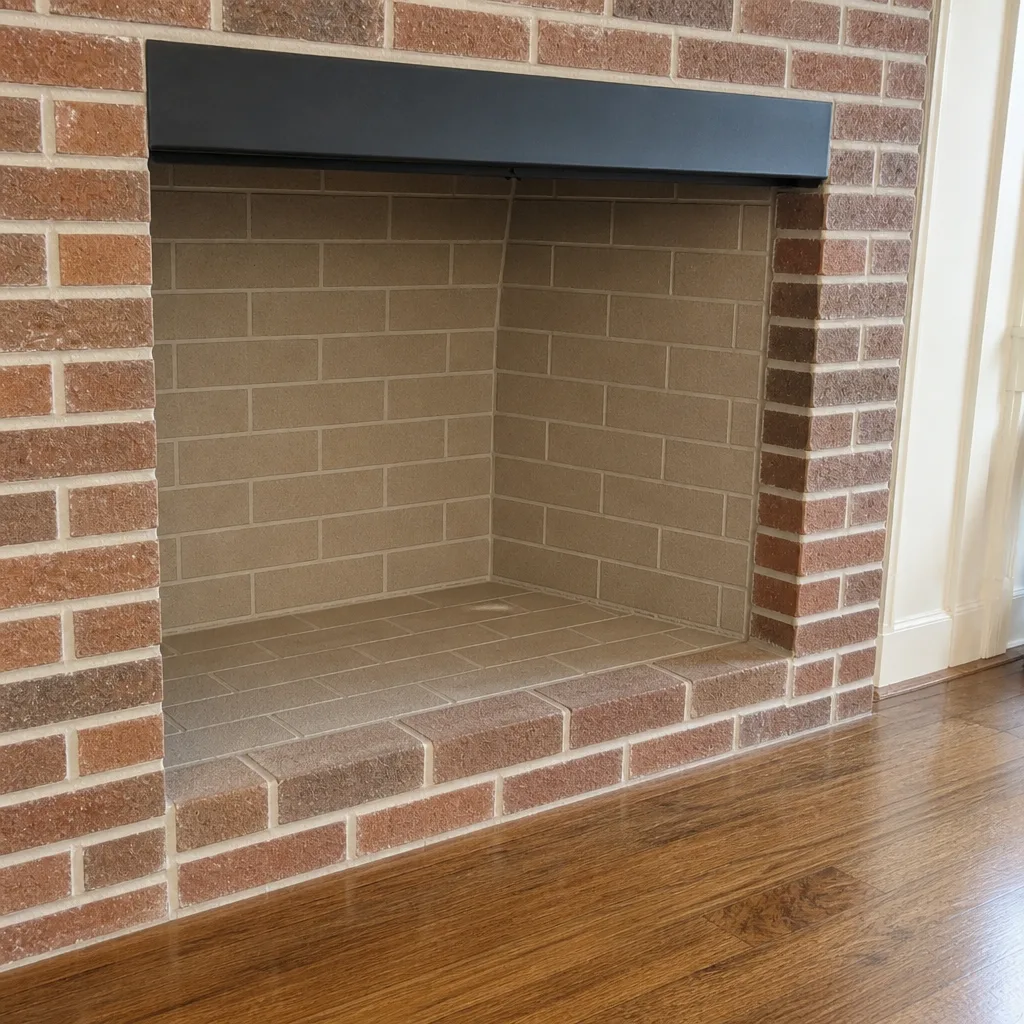
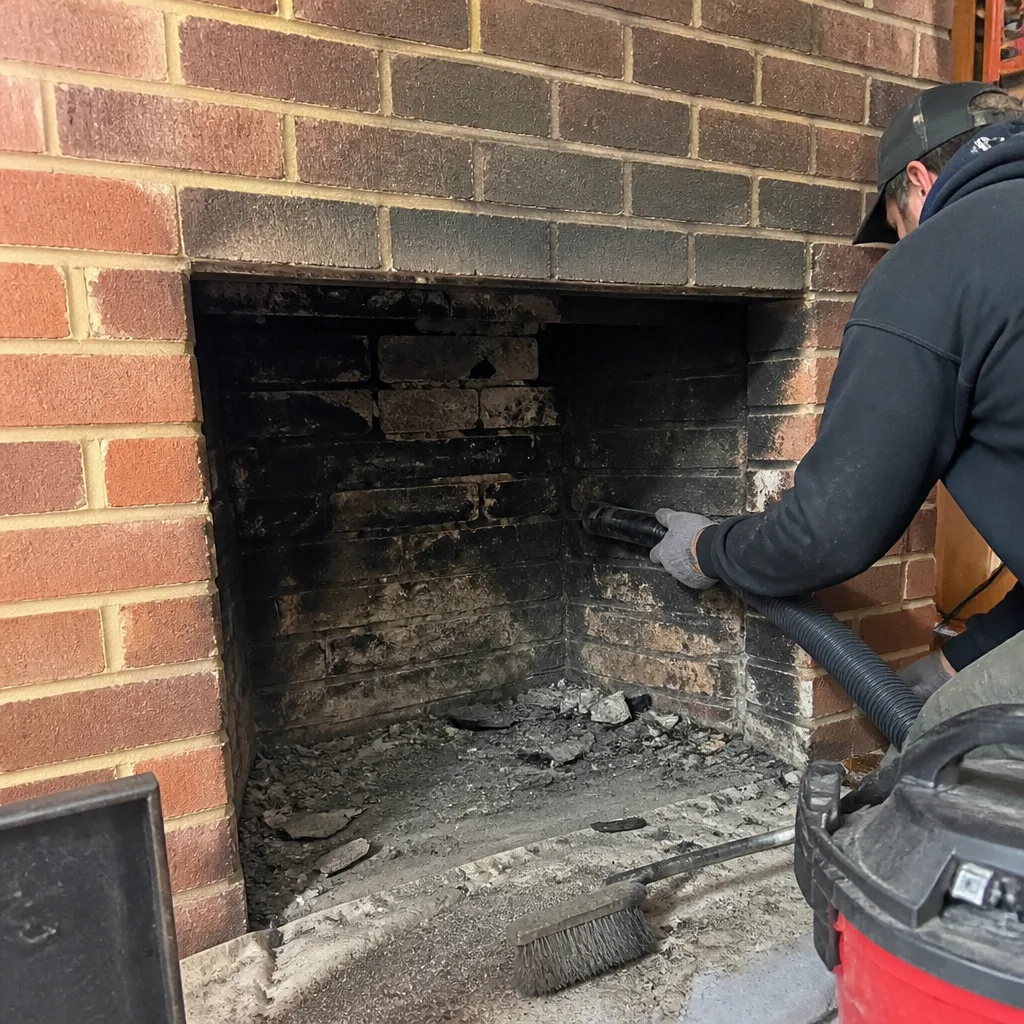
See the difference
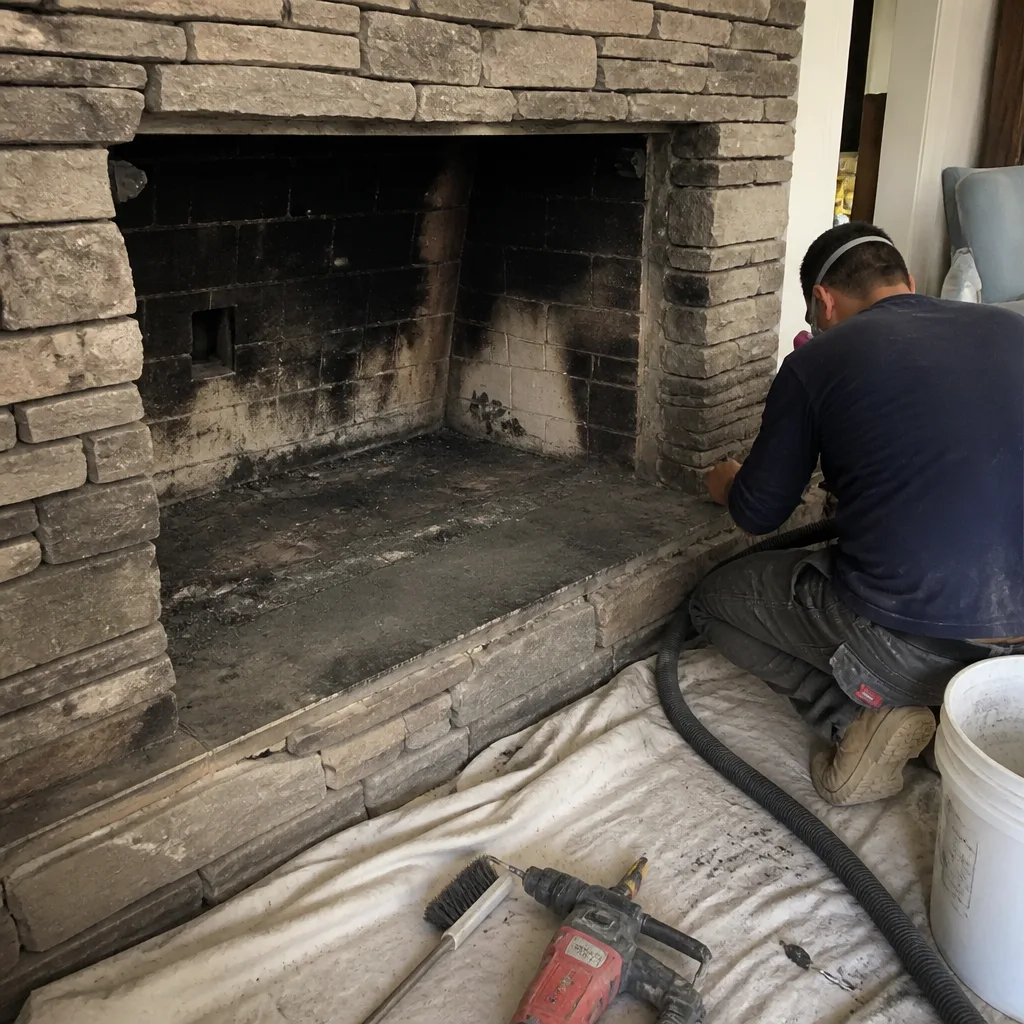 Before
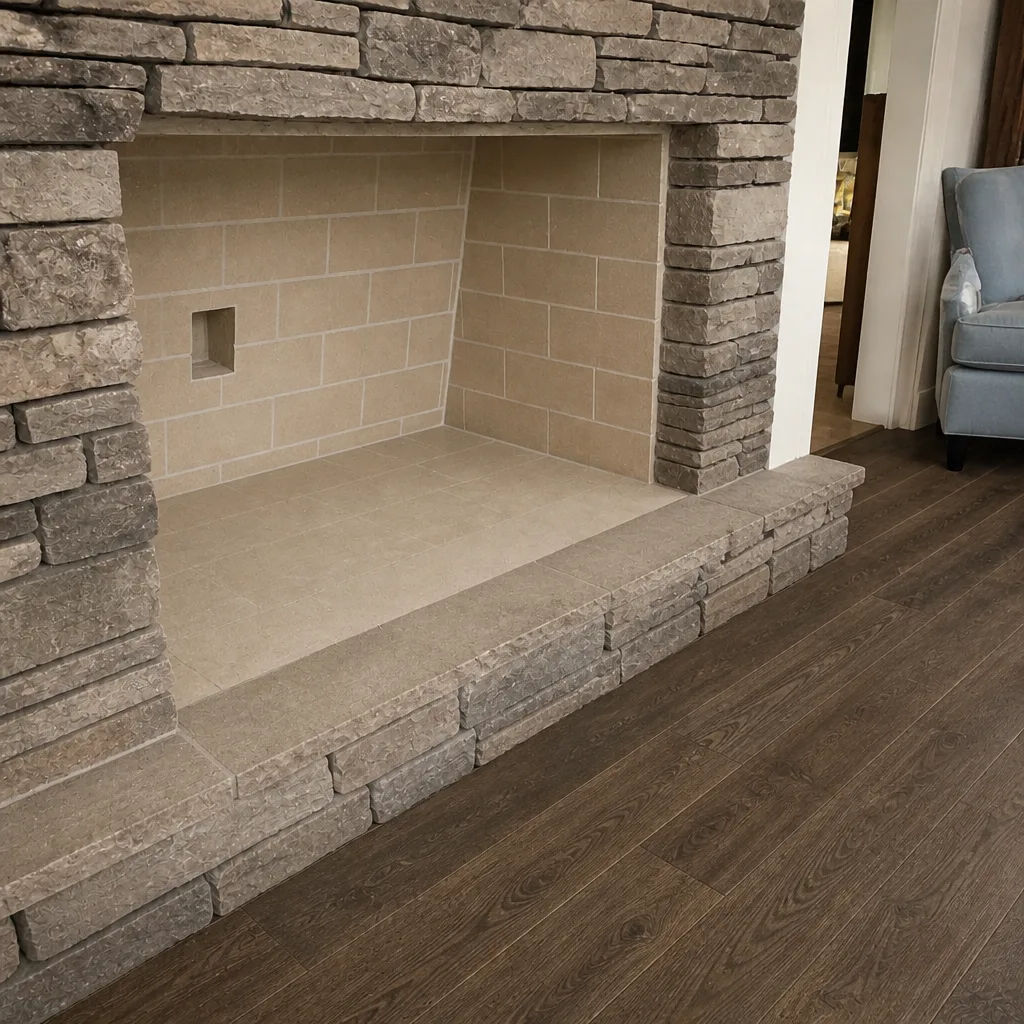 After
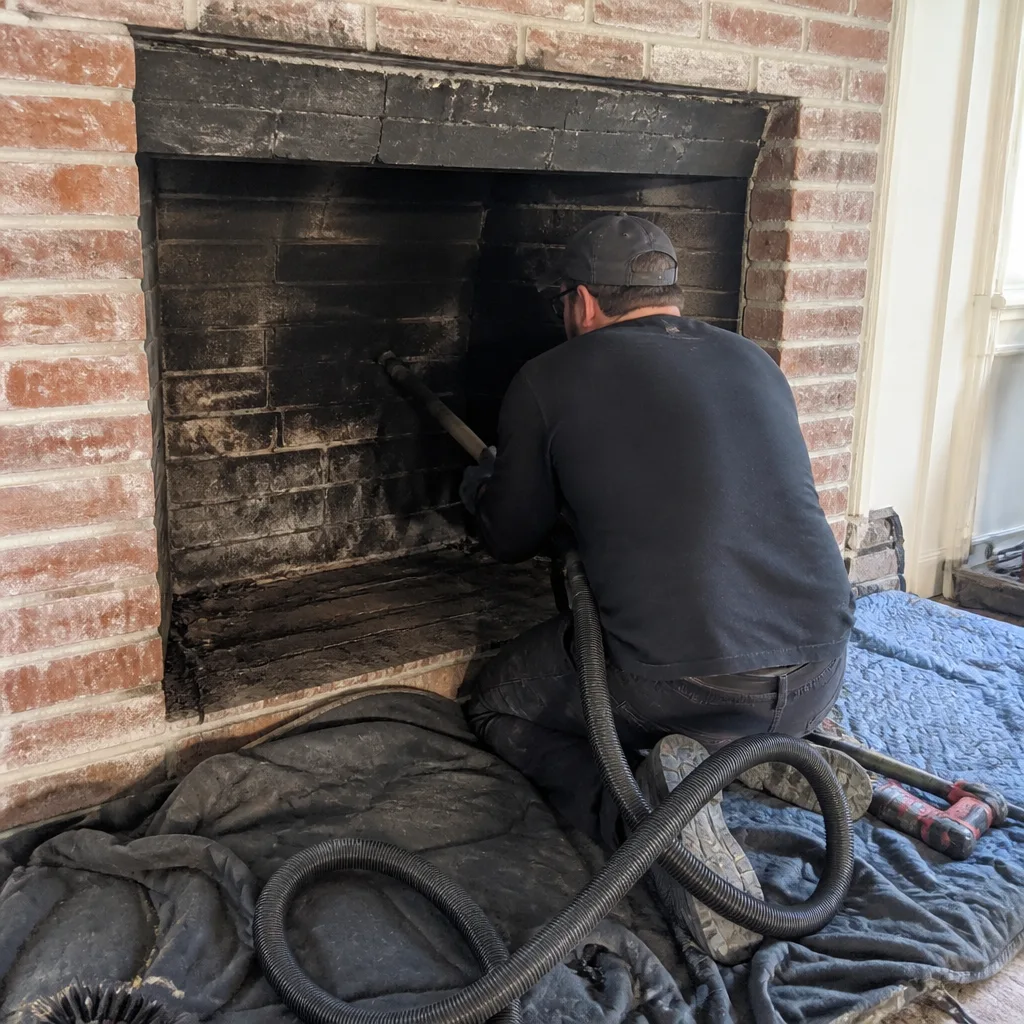 Before
 After
 Before
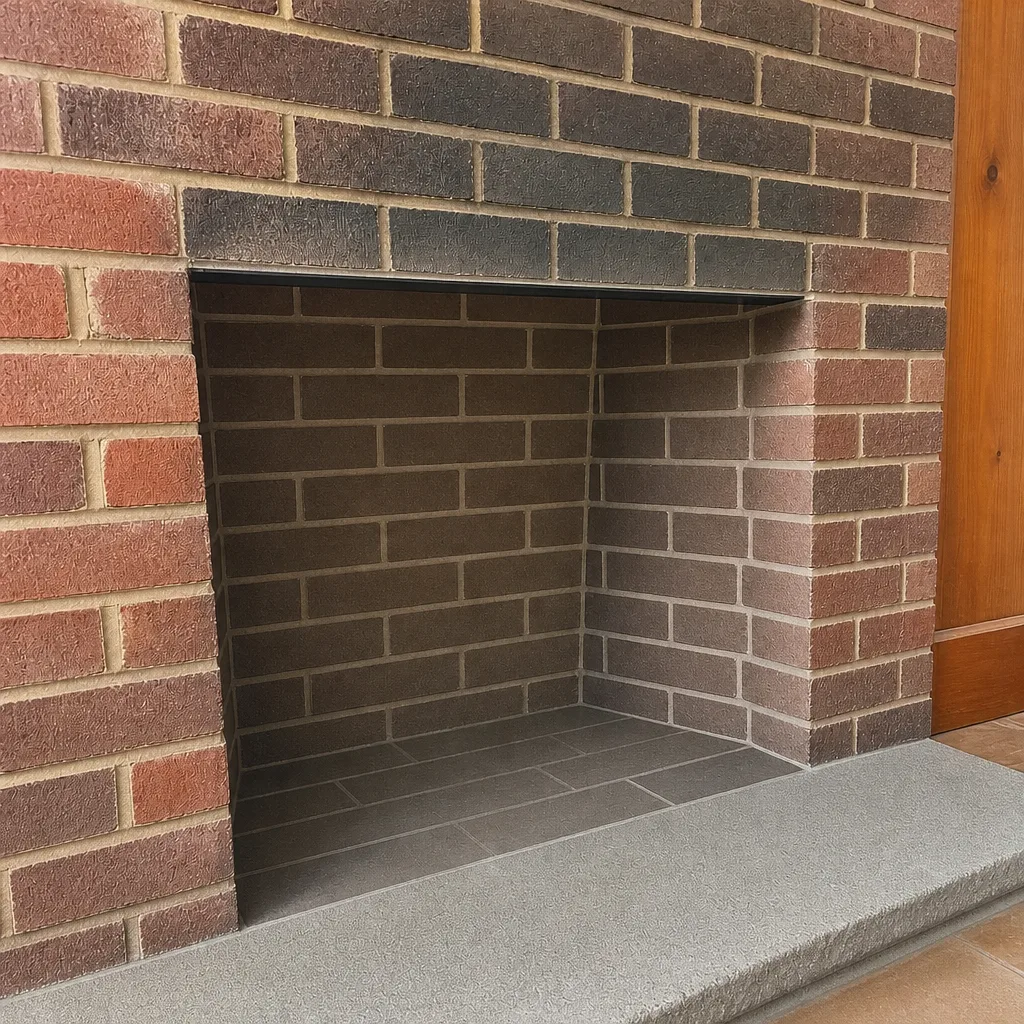 After
When to Call a Professional
Call a professional when you can’t remember the last time the chimney was swept, when you’ve just bought or are about to sell a Green Hills home, when the fireplace hasn’t been used in a season or more, or when you notice smoke coming back into the room, staining near the ceiling, or a damper that won’t close. Call if you’ve burned a lot of wood this season, or if you’ve had a chimney fire. Call if you’ve never had a camera inspection and don’t have a documented photo record of the flue. Chimney Sweep Green Hills offers free estimates in Green Hills. Call (866) 990-4158. We answer 24/7. Fast dispatch from 7am to 7pm, Sunday through Friday.
Frequently Asked Questions
A standard single-flue chimney sweep in Green Hills in 2026 typically costs $175 to $325, including a visual check of the firebox, damper and flue and a written report. A Level 2 camera inspection adds $150 to $250. Call (866) 990-4158 for an exact quote. Estimates are free.
Only if the flue can’t be safely used as it is, and that’s a decision you should make on camera evidence, not a verbal claim. A cracked or deteriorated flue tile, a gap at a joint, or a flue sized wrong for the appliance can all make a liner necessary. HeatShield resurfacing solves some of those cases for less than a full liner. If the liner can safely wait a season, a good technician will tell you so.
Once a year is the general standard for a regularly used fireplace, and more often if you burn a lot of wood or notice buildup. In Green Hills, where many homeowners burn intermittently through a long shoulder season, an annual sweep keeps creosote at Stage 1 and keeps the cost at the base rate. Call (866) 990-4158 to book a sweep and inspection.
Creosote builds up in stages, and Stage 2 hardens into Stage 3 over time. Stage 3 is the deposit most associated with chimney fires, and it’s harder and more expensive to remove. Skipping a sweep doesn’t make the cost disappear; it moves the cost into a repair budget, often a reline. A sweep today is the cheaper path.
Yes, in specific situations: a home purchase or sale, a first visit to an undocumented chimney, a change in appliance, a past chimney fire, or a visible problem. The camera record is what lets you, your buyer or your insurer see the condition of the flue instead of taking it on trust. In Green Hills, a Level 2 on the first visit is money well spent.
Some items, yes. A damper replacement or a cap installation can often be handled on the same visit if the parts are on hand. Crown coating and liner work are usually scheduled as a separate job, because the estimate and the materials need to line up. Either way, the repair is priced in writing before anything is started. Call (866) 990-4158 to get an estimate.
The Bottom Line
Chimney cleaning in Green Hills isn’t a single number. It’s a base rate plus a small set of add-ons that track your fireplace type, your creosote stage and your inspection level. A fair base sweep is $175 to $325. A Level 2 inspection is worth the extra $150 to $250 on a first visit or a home sale. Stage 2 deposits need a rotary system, and Stage 3 is where the budget conversation gets bigger. Ask for all five line items in writing, ask to see the camera footage before you agree to a repair, and use a chimney specialist when your flue has an offset, a crown problem or a liner question.
Ready to know what your chimney actually needs? Call (866) 990-4158 for a free estimate. We answer 24/7. Fast dispatch from 7am to 7pm, Sunday through Friday. The written estimate sets the final price, and a camera inspection with a photo report comes with the visit.
Written by the team at Chimney Sweep Green Hills.