
Last updated November 24, 2026
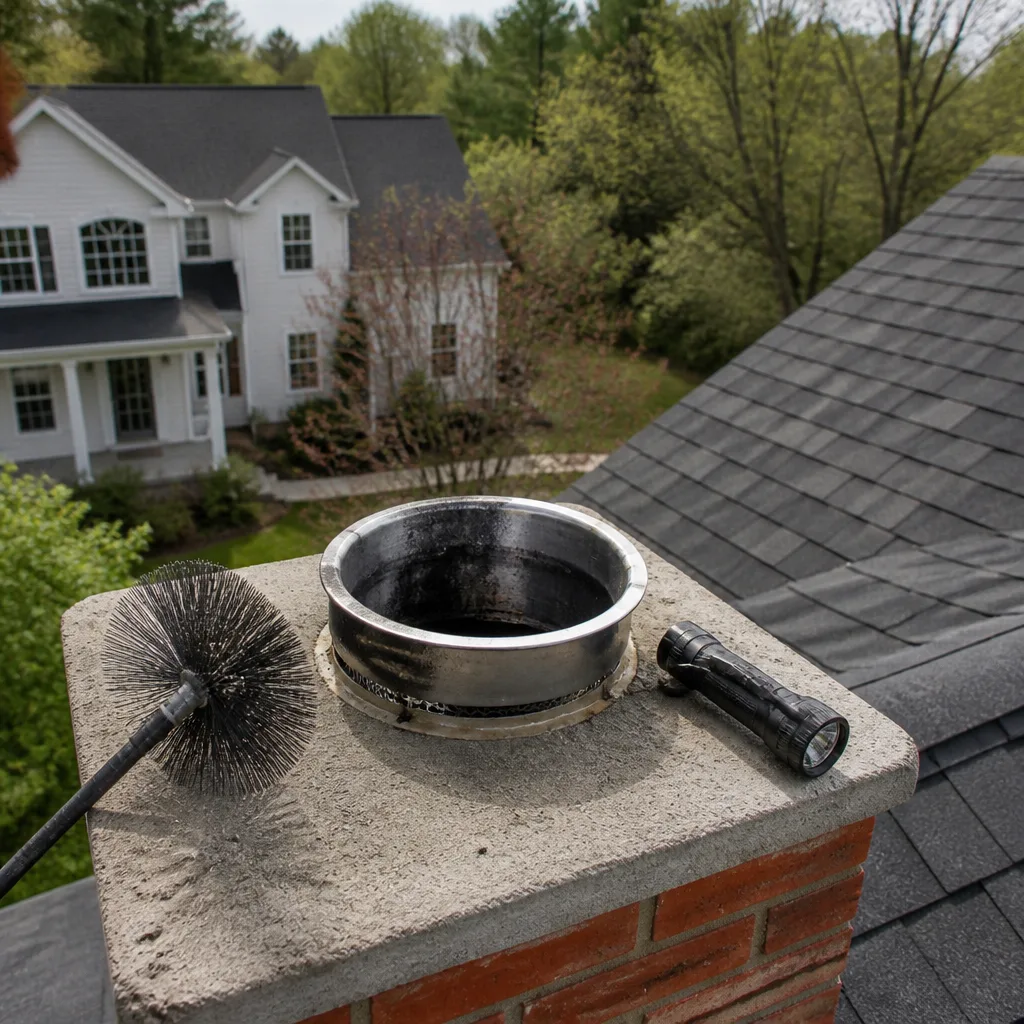 Sweep & inspection
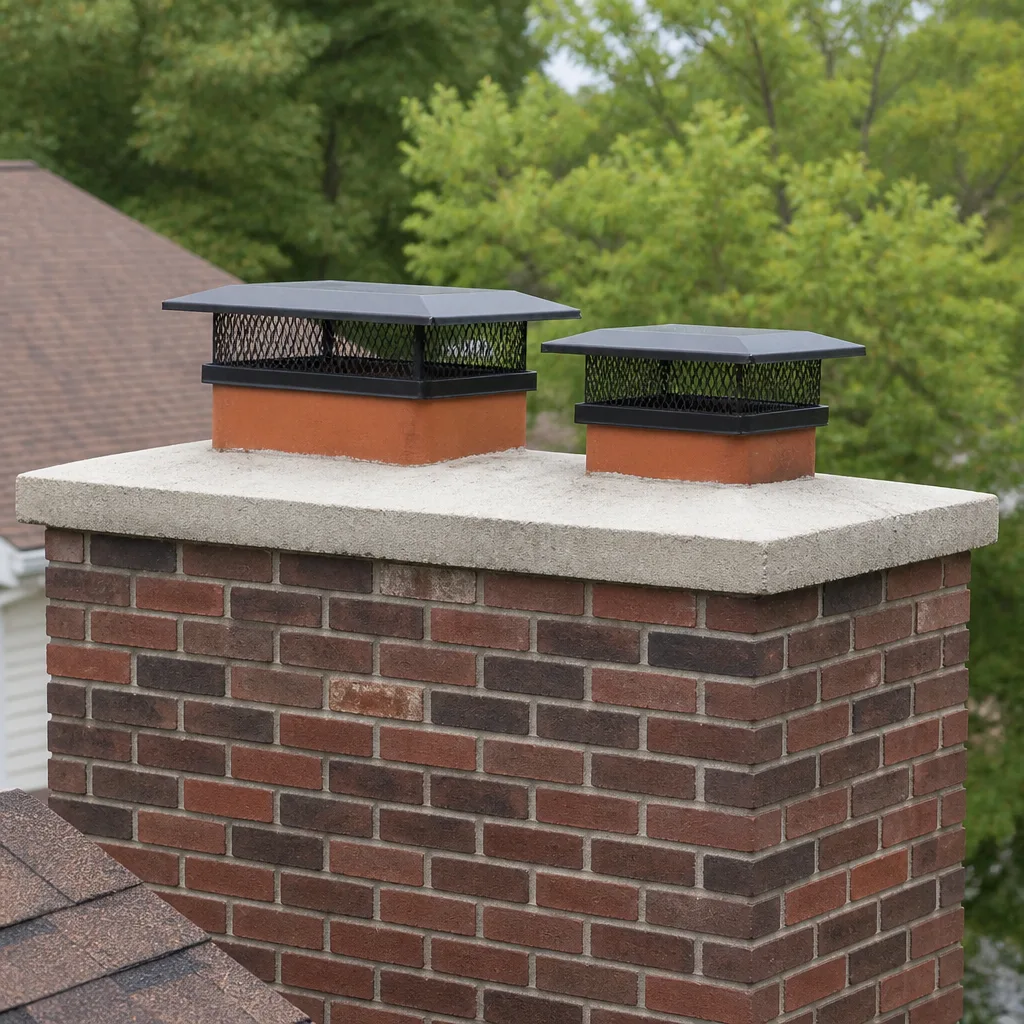 Caps & crowns
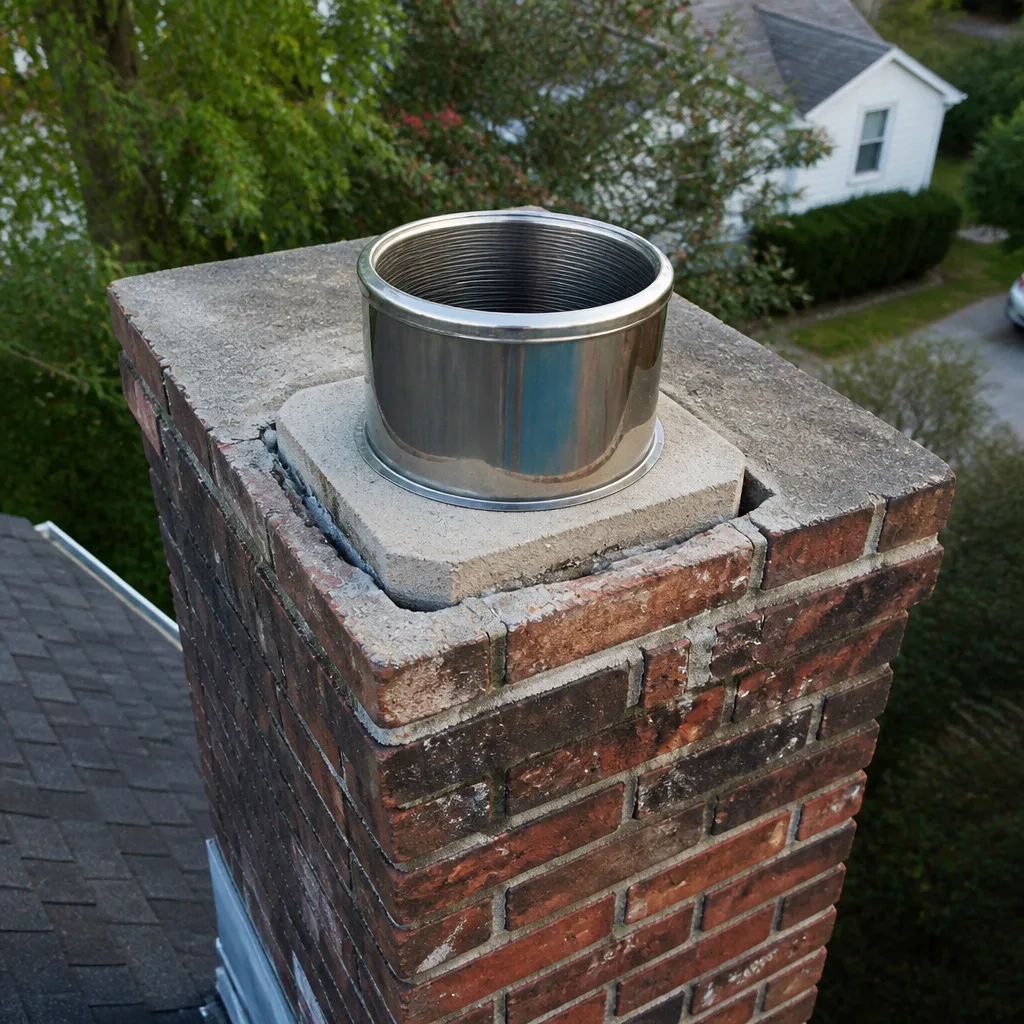 Flue relining
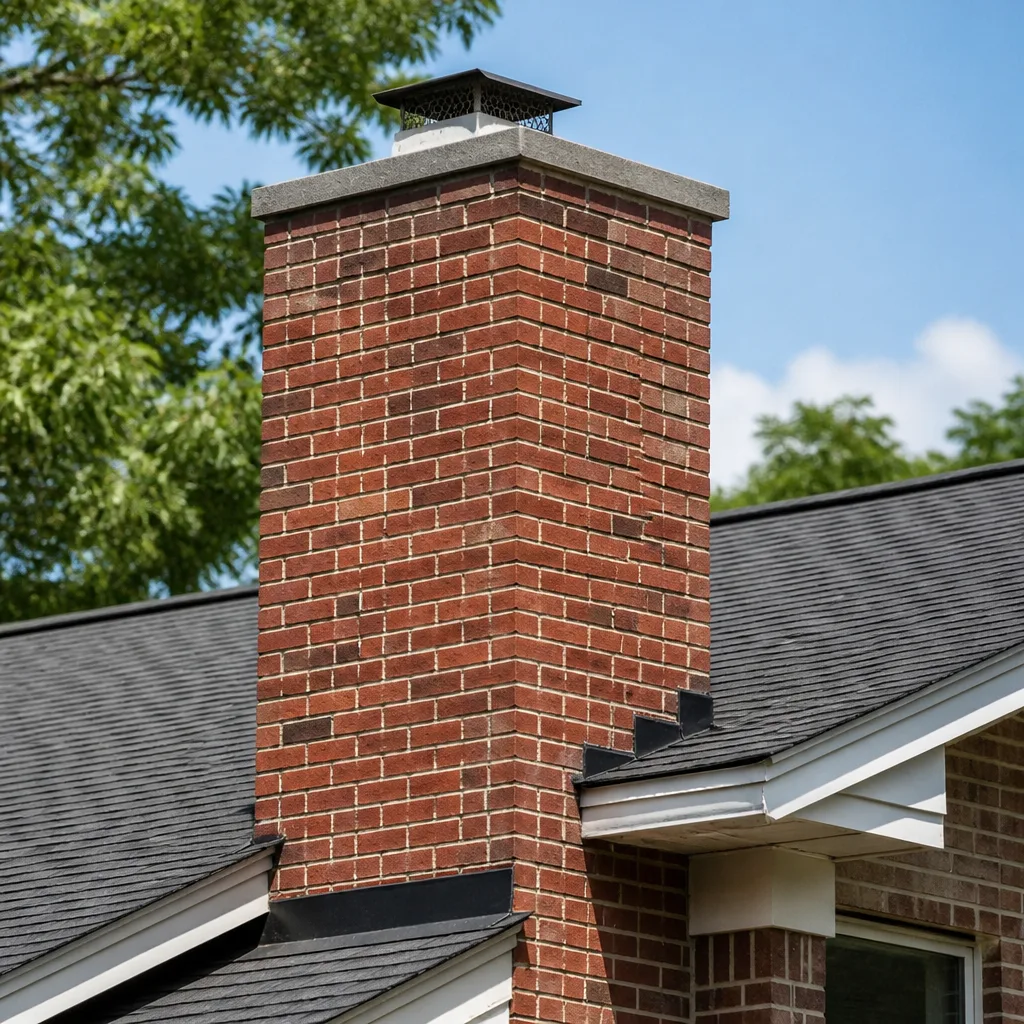 Masonry repair
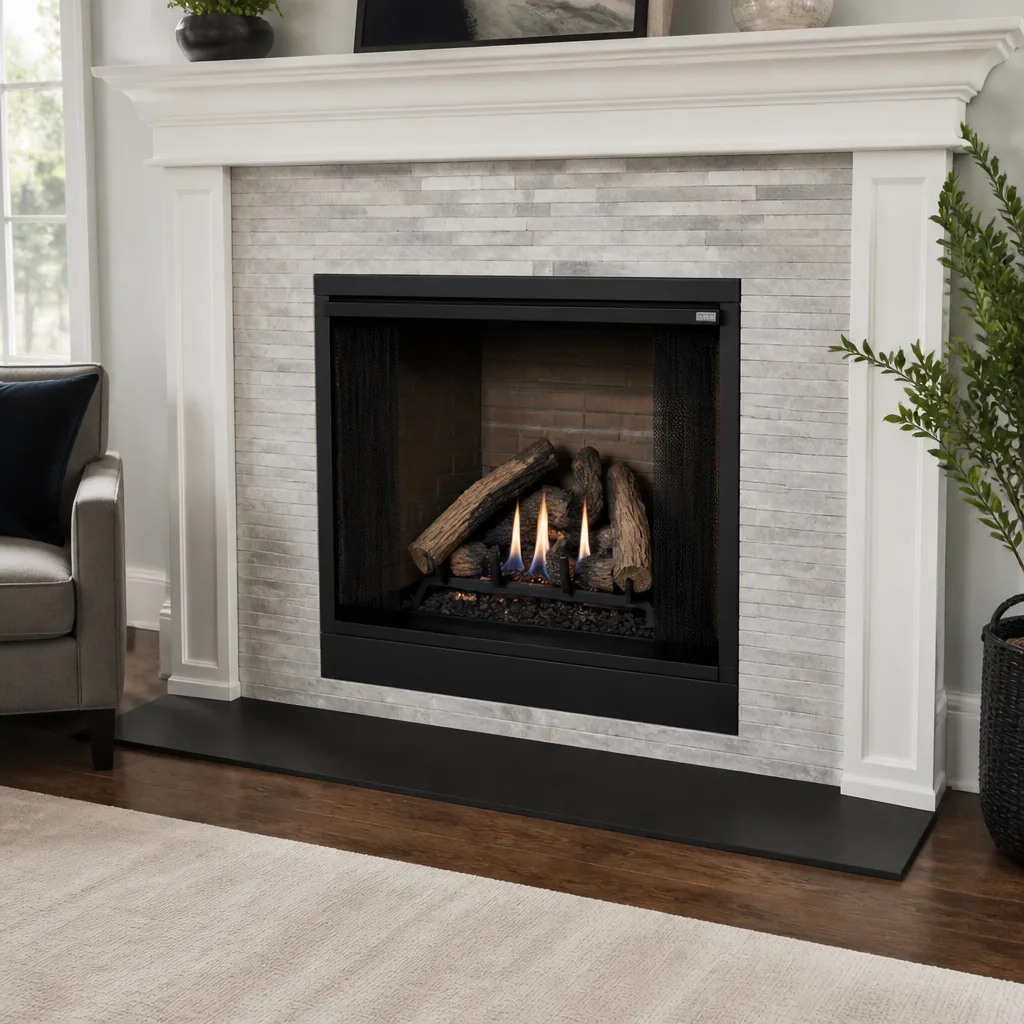 Gas fireplace service
Level 1 sweep and inspection to the NFPA 211 annual standard - flue, crown, cap, and flashing checked and photographed
Chimney sweep logs do not sweep chimneys. They loosen some creosote - which then falls where a brush and vacuum still have to collect it.
How to Hire a Chimney Cleaning Contractor in Green Hills: A Step-by-Step Guide
Asking a contractor “are you certified?” isn’t enough. There are chimney credentials that require passing a written exam, documenting hundreds of hours of field work, and renewing on a fixed cycle. There are also seals that require nothing more than mailing in a registration fee. To a homeowner on a front porch in Green Hills, the two look identical on a business card. This guide gives you the two-minute filter to tell them apart, the five questions that expose whether a contractor works inside chimneys daily or treats the work as a side job, and the specific red flags that show up in this market. By the end you’ll know exactly what to ask, what to verify, and what a written scope of work should contain before you sign anything. We’re Chimney Sweep Green Hills, and this is how we’d tell a neighbor to shop for the job.
Quick Answer
To hire a chimney cleaning contractor in Green Hills, verify three things before booking: a CSIA Certified Chimney Sweep credential (not just a printed seal), proof of both general liability insurance and workers’ compensation coverage, and a written scope of work that names the smoke chamber, the flue, and the firebox as separate inspection points. A dedicated chimney specialist brings a drop cloth, a HEPA vacuum, and a camera; a generalist with a brush on a ladder brings neither. Ask for all three, and the difference becomes obvious in five minutes.
Styles & brands we work with
- Sweep & inspection
- Caps & crowns
- Flue relining
- Masonry repair
- Gas fireplace service
Table of Contents
- What Do Chimney Credentials Actually Mean?
- Five Questions That Reveal a Specialist
- Red Flags Specific to the Green Hills Market
- How to Verify Insurance and What Coverage You Need
- What a Written Scope of Work Should Include
- What a Proper chimney sweep Involves in Green Hills
- When to Schedule Cleaning in Green Hills
- Common Mistakes to Avoid
What Do Chimney Credentials Actually Mean?
Chimney certifications fall into two categories: those backed by a testing body with an exam and field requirement, and those backed by a registration fee. The CSIA Certified Chimney Sweep credential is the first kind. To earn it, a technician passes a proctored written exam covering codes, venting, combustion, and safety, and must recertify on a fixed cycle. The National Fireplace Institute (NFI) offers a parallel certification specific to wood and gas hearth appliances, again with a written exam. Both are legitimate signals.
Marketing-only seals are the second category. A contractor can print almost anything on a card or a magnetic sign. The distinguishing test is simple: ask which certifying body issued the credential, then ask how the technician recertifies. A real certification has a named body, an exam, and a renewal requirement. A marketing seal has none of those, and the contractor usually can’t name the organization when pressed.
Three Credential Questions to Ask Every Contractor
- Which certifying body issued your credential? A CSIA or NFI answer is verifiable. “A national board” or silence is not.
- Is the certification for the technician who will actually be on my roof? Companies sometimes hold a certification at the office level while sending uncertified helpers. Ask for the name of the person coming out.
- Do you carry the equipment the job requires? A sweep needs a vacuum rated for fine ash, not a shop vac. Ask what brand and model they carry to the truck, and listen whether the answer comes easily.
In our experience, a Green Hills homeowner who asks those three questions gets a very different answer set than one who asks only “are you certified?” The first round gets a conversation about standards. The second round gets a yes.
Five Questions That Reveal a Specialist
The interview questions below separate a dedicated chimney specialist from an HVAC company or handyman who lists chimney work as an add-on. In a Green Hills market where generalists have increasingly added chimney cleaning to their brochures, these questions expose the difference in under ten minutes.
1. “What does a standard sweep cover, and what does it not?”
A specialist talks about the flue, the firebox, the smoke chamber, and the damper as four separate points. A generalist describes brushing the flue and vacuuming up. The smoke chamber in particular is often skipped by generalists because it requires specific tools to reach and clean properly.
2. “What equipment do you bring to the job?”
A working answer mentions a drop cloth, a HEPA vacuum, chimney brushes sized to the flue, rods, and a camera for documenting the interior. A specialist will also mention that the vacuum is running before anything is disturbed, to keep soot out of the room. A generalist answer is often just “a brush.”
3. “How do you document what you find?”
Expect to hear about photos, a written inspection report, and a walk-through of the findings before the technician leaves. A specialist expects to show you a problem before recommending work. If the answer is “we just tell you what we find,” the documentation is weak.
4. “What happens if you find a cracked liner or a damaged crown?”
A specialist can repair or replace the liner and the crown on the same job, sometimes on the same visit. A generalist refers that work out. This matters because in Green Hills homes with masonry chimneys, liner and crown issues are the most common repair items, and a company that can complete the work in one call avoids handing you off to a contractor who has never seen the interior of your flue.
5. “What brands of liner and crown materials do you install?”
Professional-tier answers name specific, industry-standard lines: DuraFlex flexible liners for offset or older flues, HeatShield ceramic resurfacing for liner restoration, Gelco and Famco components for crowns and caps, Olympia Chimney, Copperfield. A specialist speaks easily about these because they work with them daily. A generalist names the closest big-box replacement.
One more thing worth knowing: the difference between these answers and the ones a generalist gives shows up in the final report. If the report recommends thousands of dollars of liner or masonry work, a dedicated specialist can show you the photo evidence, and a generalist usually can’t. We’ll come back to that.
Red Flags Specific to the Green Hills Market
Green Hills is a market that gets worked by door-to-door chimney sales because the housing stock is old, the trees are heavy, and the homeowners are engaged. The following red flags show up here more than most people realize.
Door-hangers offering inspections under $49
A $49 inspection is usually a lead-generation tool, not an inspection. The low price buys a five-minute look that ends with a recommended repair you didn’t ask about. A legitimate sweep prices per job and sets the final number on a written estimate before the work begins.
No vacuum on arrival
A sweep that doesn’t run a HEPA vacuum before disturbing the flue is going to leave soot on your curtains, your rugs, and your bookshelves. Ask on the phone whether they carry a vacuum rated for fine ash. A specialist answers immediately.
Bids that skip the smoke chamber
The smoke chamber is the sloped area above the firebox and below the flue. It traps creosote and is difficult to reach without the right tool. A bid or scope that doesn’t mention the smoke chamber is a warning sign that the work will be incomplete.
Pressure to replace before any documentation
If a contractor recommends a full liner replacement without showing you photos or video from inside the flue, pause. A specialist recommends nothing without camera evidence you can see for yourself. And a specialist will tell you plainly when work can safely wait.
Cash-only pricing with no written estimate
Any job that doesn’t produce a written scope before starting is a job where the price is set by whoever is holding the ladder. Ask for the estimate in writing before anyone climbs up.
Unmarked vehicles and no business address to verify
Chimney contractors don’t need to be large operations, but they should have a verifiable business identity, state licensure as their state requires, and current insurance. If you can’t verify that, don’t invite them onto your roof.
How to Verify Insurance and What Coverage You Need
Two separate insurance policies matter here: general liability and workers’ compensation. General liability covers damage to your home if a technician drops something through your ceiling or cracks your flue during the sweep. Workers’ compensation covers the technician if they’re injured on your roof. These are not the same policy, and a contractor who carries only one is leaving you exposed.
How to Verify Coverage
- Ask for a certificate of insurance. This is a one-page document the contractor requests from their insurer. It names the policies, the coverage limits, and the policy period.
- Check that the certificate is current. Look at the expiration date. An expired certificate is no coverage.
- Confirm both general liability and workers’ compensation appear. If one is missing, ask why.
- Call the insurer’s verification number. Every certificate has a phone number the insurer lists for verifying coverage. A one-minute call confirms the policy is active.
Workers’ compensation matters on a chimney job because roof work is the most common place a technician gets hurt. If a technician falls from your roof and their employer has no workers’ comp, the medical bills can come back to you as the property owner. That’s why the second policy is worth checking.
When you call any chimney contractor, including us, ask for the certificate before the visit. A dedicated chimney specialist expects the question and has an answer ready. In our experience, contractors who resist the request are telling you something.
What a Written Scope of Work Should Include
A written scope of work is the document that defines the job, the price, and what is and isn’t covered. Before you sign, it should name each of the following:
- The specific services included. Sweep, inspection, or both. If it’s an inspection, the scope should say whether it’s a Level 1 (visual, accessible areas), Level 2 (camera-assisted, includes areas you can’t see from the firebox), or Level 3 (diagnostic, involves opening walls or dismantling components). Green Hills real estate transactions almost always call for a Level 2.
- The points inspected by name. Flue, firebox, smoke chamber, damper, crown, cap, and exterior masonry. If any of the seven are missing, ask why.
- The price and what it includes. A flat price agreed before booking. If additional work is found, the scope should say that the technician will present the finding with photo documentation and get your approval before proceeding.
- Cleanup expectations. Drop cloths, HEPA vacuum, and a final walk-through before the technician leaves.
- Warranty terms. Any warranty on materials (liners, caps, crowns) and on labor. Get it in writing, not on a business card.
The One Omission That Leads to Surprise Charges
The single most common omission is the phrase “additional charges will be approved in writing before work proceeds.” A scope that says a flat sweep price but doesn’t specify how a discovered problem gets handled is a scope that leaves the door open for a technician to add charges on the spot. Every written estimate we issue says what the sweep costs and what a discovered problem (a cracked flue tile, a failed crown, a damaged damper) would cost to repair, with the final decision left to the homeowner before anything is done.
What a Proper Chimney Sweep Involves in Green Hills
A proper chimney sweep in Green Hills involves a documented inspection of your flue, firebox, smoke chamber, damper, crown, and cap, followed by cleaning, followed by a written and photographic report of what was found. It’s not a quick brush-and-run, and the difference between the two becomes clear on the invoice.
Step by Step
- Set up before disturbing anything. Drop cloths on the hearth and floor, vacuum running, and the work area sealed. Soot travels the moment the brush touches the flue.
- Inspect the accessible interior first. With the damper open, the technician looks at the firebox, the smoke chamber, and the flue from below, and notes the condition before sweeping.
- Sweep the flue with correctly sized brushes. Brushes sized to your flue diameter, run from the top or bottom depending on the chimney configuration.
- Clean the smoke chamber. This is the step generalists skip. It takes proper tools and time.
- Inspect the roof-level components. Crown, cap, and visible masonry at the top of the chimney. Water entry starts here most often, and a chimney cap or crown issue that goes unaddressed causes masonry damage below.
- Document findings with photos. Photos of the flue interior, the smoke chamber, the crown, and the cap. The report is what makes the visit useful for the next season and for any real estate transaction.
- Walk through everything before leaving. Show you what was found, show you the photos, and answer questions. If repairs aren’t urgent, say so plainly.
We work with product lines the certified chimney industry uses: DuraFlex flexible liners for offset or older flues where rigid liners don’t fit, HeatShield ceramic resurfacing for liner restoration, and Gelco and Famco components for caps and crowns. Those brands matter because they’re the ones specified in professional chimney repair, not the substitutes sold at big-box stores.
When to Schedule Cleaning in Green Hills
Schedule chimney cleaning in Green Hills before the burn season begins, ideally in late summer or early fall, and again after every full cord of wood burned. Cooler months in the hills around Nashville drive regular fireplace use from October through March, and by the time the first cold snap arrives, most people are calling for the same two weeks. Booking early gets you a scheduled date instead of a waitlist.
A chimney that has burned a full cord of wood should be swept before the next season. Wood with higher moisture content leaves more creosote per cord, so if you’re not sure of the moisture content of what you’ve been burning, treat the sweep as an annual expectation rather than a whenever-you-get-around-to-it item.
There’s a second timing question that matters. If you’re buying or selling a home in Green Hills, get the Level 2 inspection before the inspection period closes, not after. A documented report on a chimney from a specialist is a negotiation tool; an undocumented chimney is a blank line on the inspection report that buyers price as a replacement.
Common Mistakes to Avoid
- Hiring a general handyman who “also does chimneys.” The list of chimney services a handyman usually carries is short and skips the smoke chamber. The list a specialist carries is sweep, inspection, cap and crown, liner repair, and structural fireplace repair, because the work runs through all of them.
- Not asking what the certification actually is. A printed seal on a business card tells you nothing unless you know which body issued it. Ask the name of the certifying organization and how the technician recertifies.
- Skipping the insurance check. A contractor with liability coverage but no workers’ comp leaves you exposed if a technician is hurt on your roof. Verify both before the visit.
- Accepting a bid that doesn’t mention the smoke chamber. If the scope skips it, the work will too, and creosote trapped in the smoke chamber is a fire risk that reappears next season.
- Approving a liner replacement without seeing the photos. Photos and camera footage should be part of the conversation before you approve a four-figure repair. A specialist will show them without being asked.
- Scheduling the sweep after burning season begins. The busiest window in Green Hills runs from the first cold snap through the end of the year. Book the visit before that window, and you’ll get the date you want.
- Overlooking the crown and cap during a sweep. These are the two most common water-entry points on a chimney, and water entry is what drives long-term masonry damage. Ask about them specifically on every visit.
For more on the two water-entry points, see our page on chimney cap & crown service, which covers the components and the installation methods.
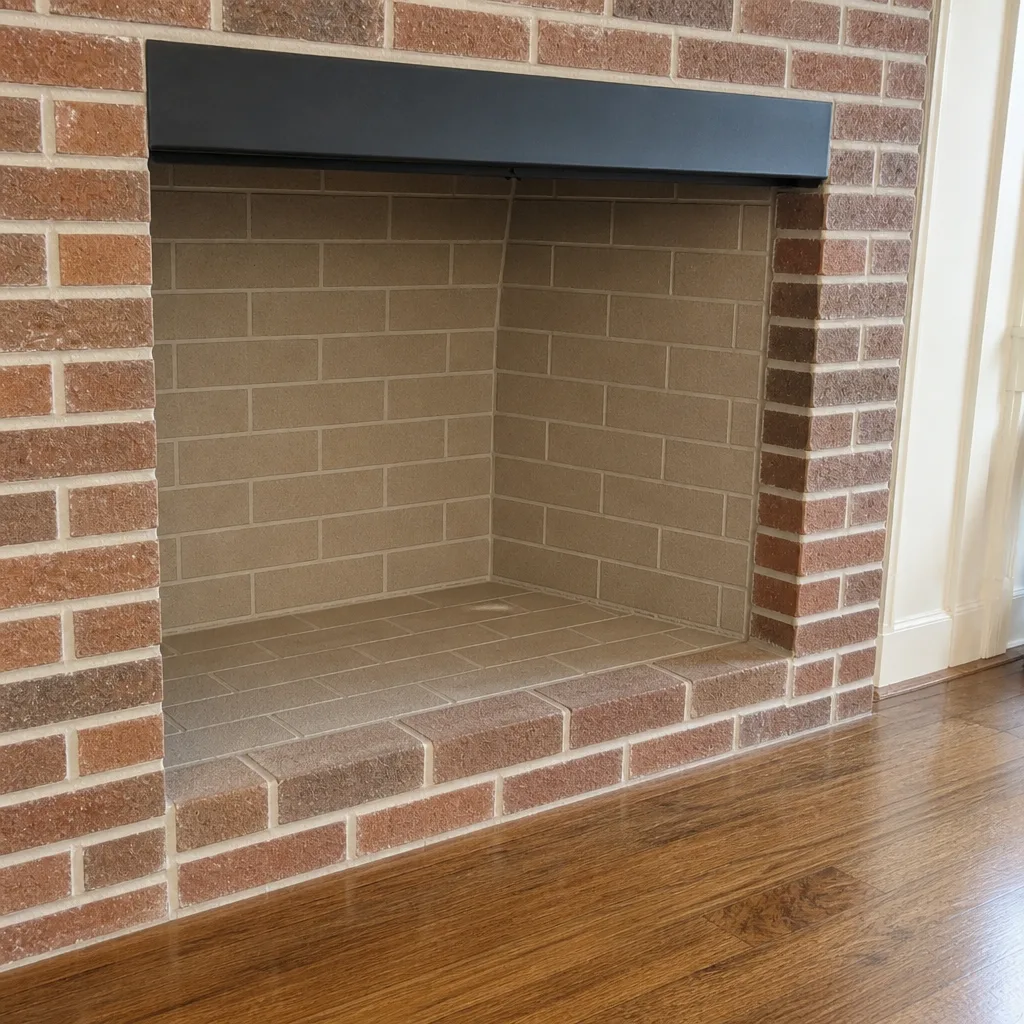
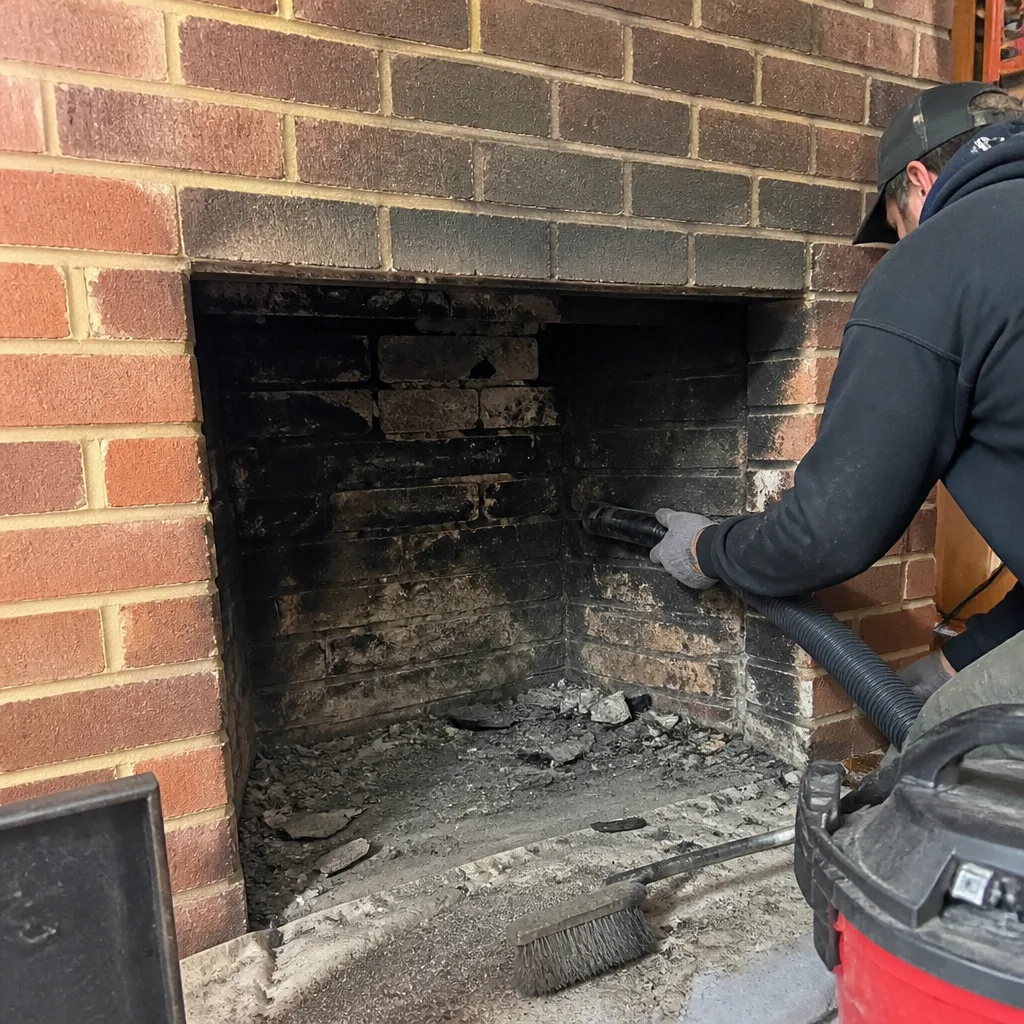
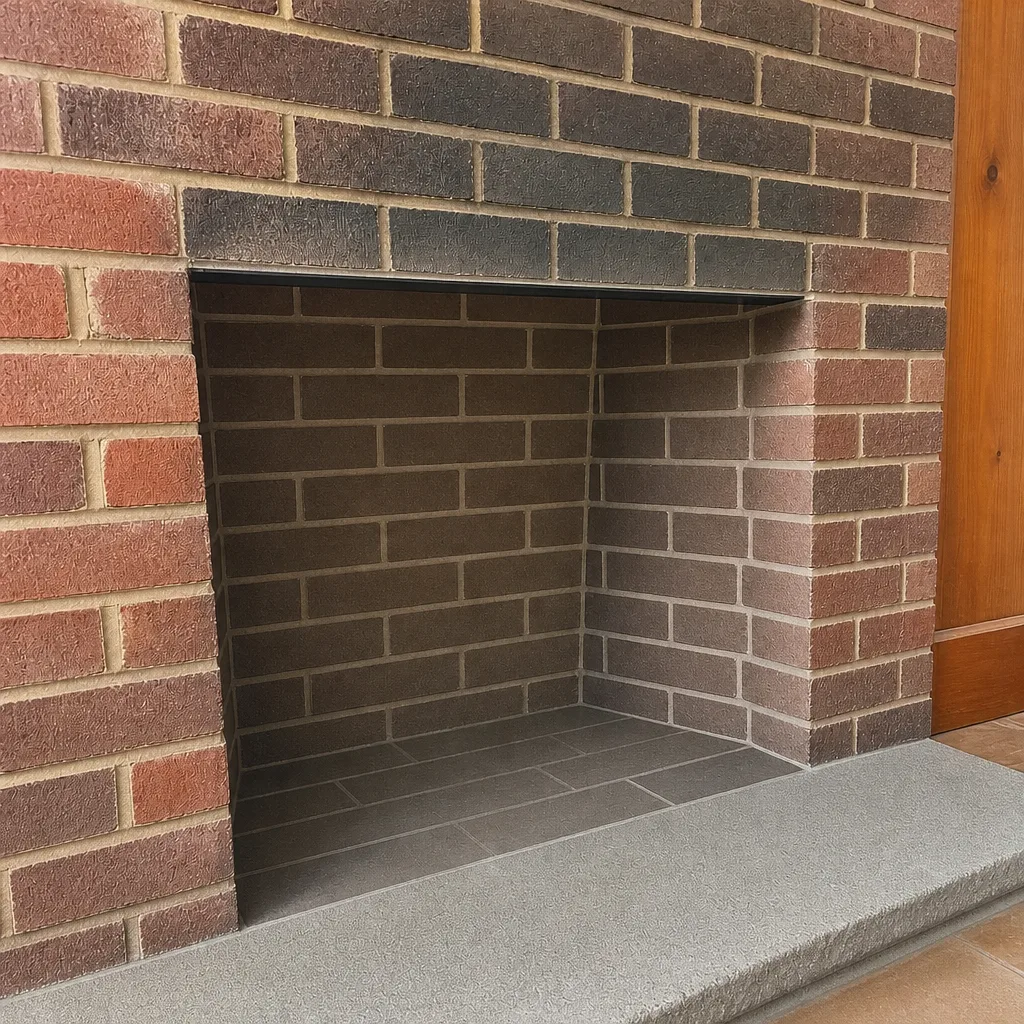
See the difference
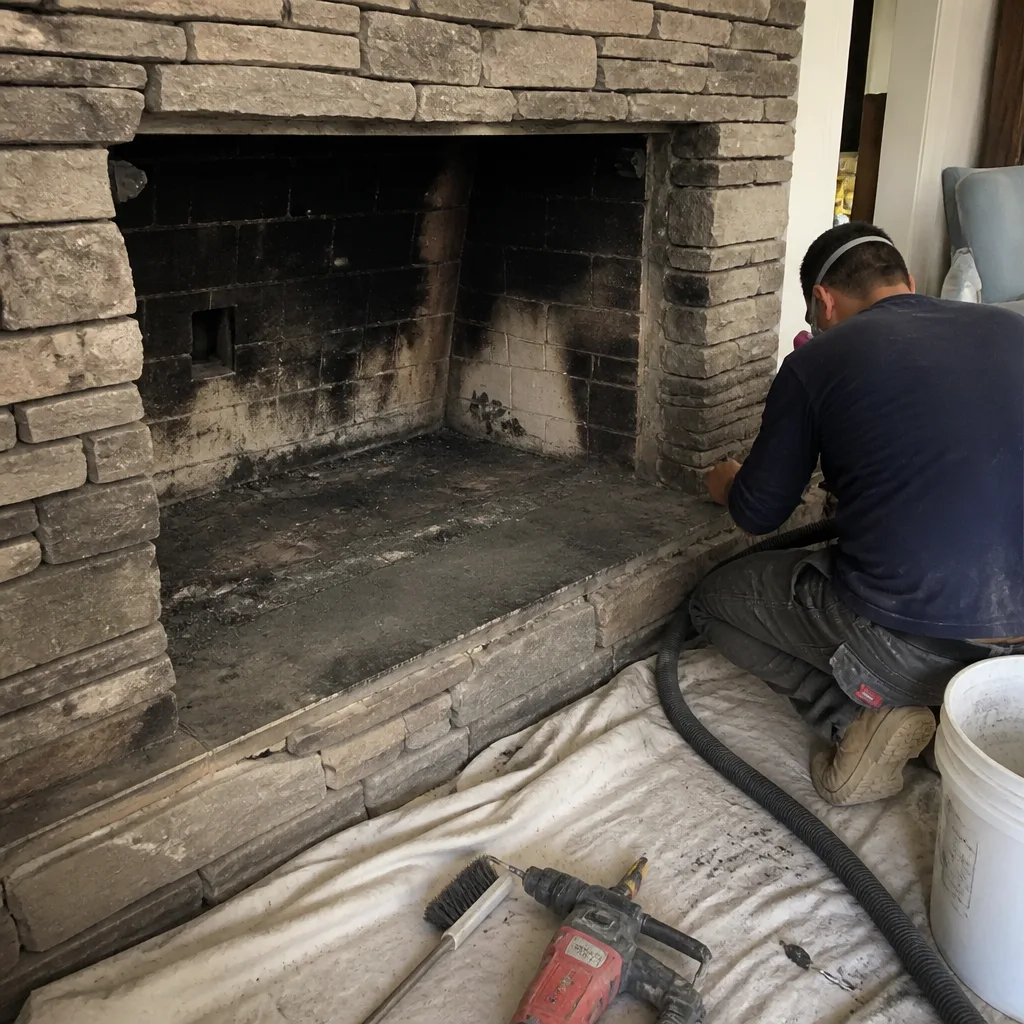 Before
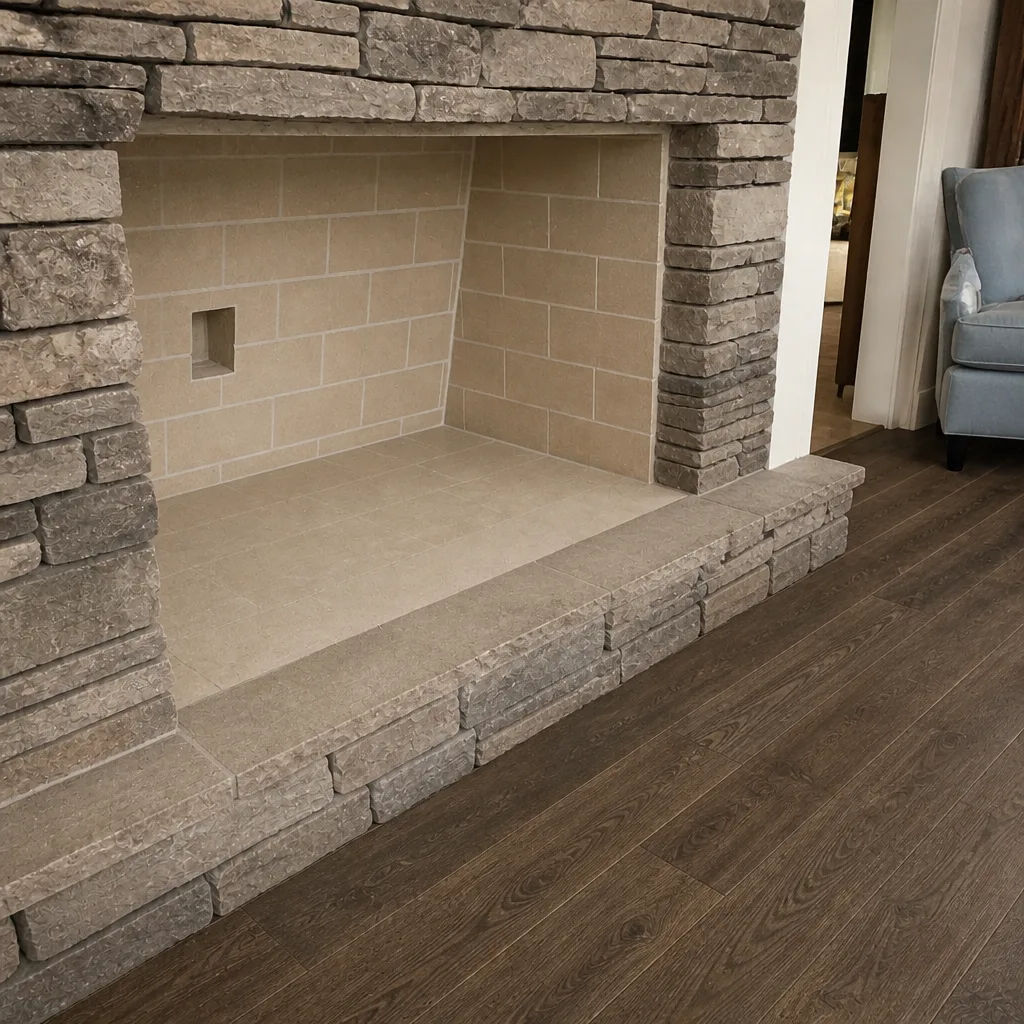 After
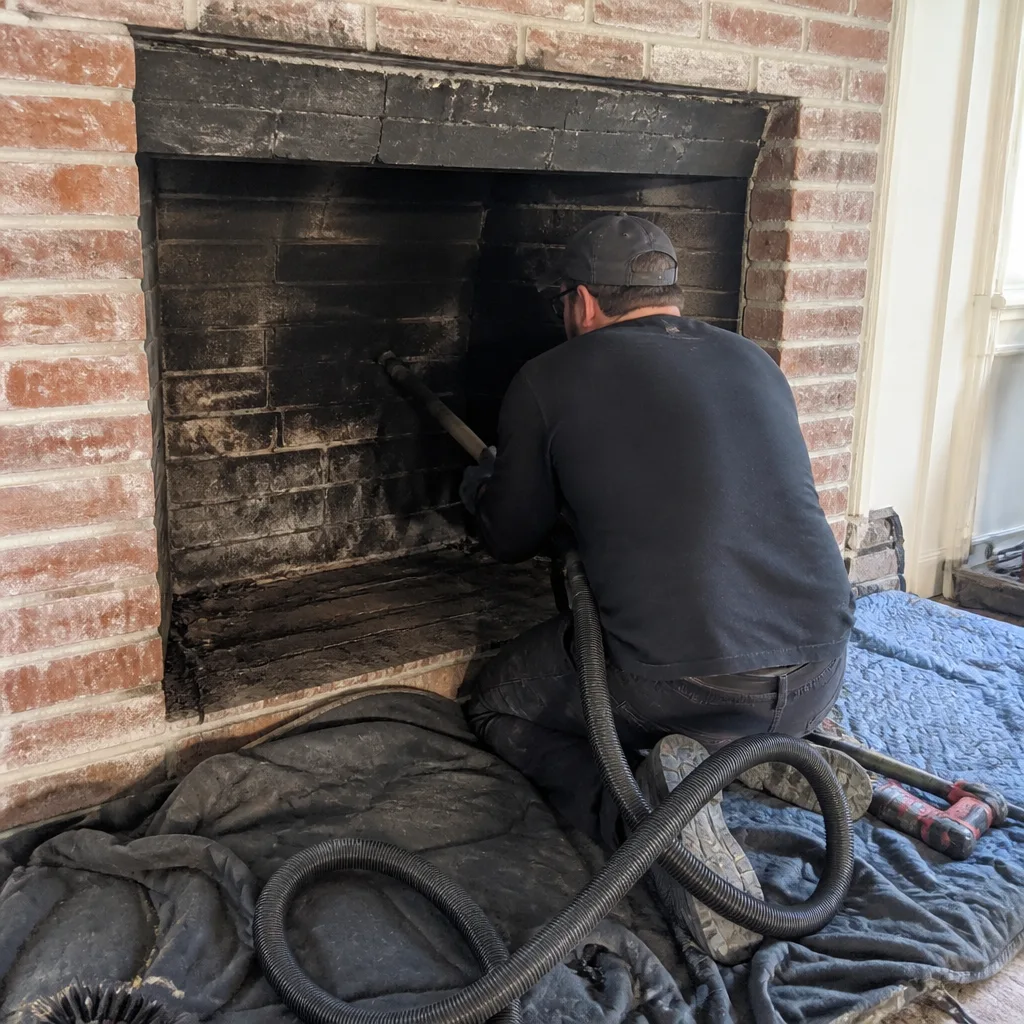 Before
 After
 Before
 After
When to Call a Professional
Call a professional before the first burn of the season, after every full cord of wood burned, and any time you notice a draft that’s weaker than usual, soot staining near the damper, or a flue that smells smoky on a mild day. Call immediately if you see a damaged crown or cap after a storm, or if your home has a fireplace you’ve never had inspected. Call before the inspection period closes on a home you’re buying or selling in Green Hills. And call before you burn in any chimney that hasn’t been checked since you moved in, because the previous owner’s burning habits are the one thing a home inspection won’t tell you.
Chimney Sweep Green Hills offers free estimates in Green Hills. Our technicians have up to 14 years of experience, work with the DuraFlex, HeatShield, Gelco, Olympia Chimney, Famco, and Copperfield product lines, and can complete sweep, inspection, cap and crown, and liner work in a single call. Call (866) 990-4158. We answer 24/7. Fast dispatch from 7am to 7pm, Sunday through Friday.
Frequently Asked Questions
A chimney sweep in Green Hills is typically priced per job, with the final number set on a written estimate before the visit. The estimate is free. Cost depends on the number of flues, the chimney configuration, and whether an inspection is included. Call (866) 990-4158 for an exact quote – estimates are free.
You need a new liner if the existing liner is cracked, deteriorated, or the wrong size for the appliance it serves. You don’t need one just because a technician says so. A specialist will show you photos or camera footage from inside the flue before recommending liner work, and will tell you plainly when the existing liner can be resurfaced with HeatShield ceramic resurfacing instead of fully replaced. If anyone recommends replacement without evidence, get a second opinion. Call (866) 990-4158 to have a specialist document what’s actually in your flue.
A chimney should be swept after every full cord of wood burned, and at least once a year if you use the fireplace regularly. Wood with higher moisture content leaves more creosote per cord, so uncertain wood quality pushes the schedule toward annual rather than every-other-year. If you’ve never had the chimney checked since you moved in, that’s the date to book. Call (866) 990-4158 to schedule a sweep and inspection.
Creosote accumulates in the flue and smoke chamber and becomes combustible as it builds. A chimney fire is the risk that follows, and it can start with no warning visible from the firebox. Skipping a sweep also means structural problems like a cracked flue tile or a failing crown go undetected, and those cause water damage that doesn’t stay inside the chimney. A specialist can tell you in one visit whether the flue is clean and sound. Call (866) 990-4158 for a documented inspection.
A CSIA Certified Chimney Sweep credential requires passing a proctored written exam covering codes, venting, and combustion, and renewing on a fixed cycle. A marketing credential requires a registration fee. NFI certification for hearth appliances is similarly exam-based. Ask any contractor which certifying body issued their credential and how they recertify; a real certification has a name behind it, a marketing seal doesn’t.
Yes, if the company is a full-service chimney specialist. Chimney Sweep Green Hills handles sweeping, inspection, cap and crown installation, liner repair, and structural fireplace repair in a single call, so a discovered problem doesn’t require a second contractor. Not every chimney company runs the whole lifecycle. Ask before you book whether the sweep and a potential repair would be handled by the same company.
The Bottom Line
The two-minute filter is: ask which certifying body issued the credential, ask what equipment comes to the job, ask how the company documents what it finds. A dedicated chimney specialist answers all three without hesitation. A generalist gives you a yes and a card. Green Hills has plenty of chimneys with liner, crown, and smoke chamber issues that only show up when someone actually looks, and the right contractor is the one who brings the camera, the vacuum, and the written scope. Verify insurance, insist on both general liability and workers’ comp, get the scope in writing, and never approve a repair without seeing the evidence. Do that, and the rest of the hiring decision takes care of itself.
For the full picture of who we are and what we handle, start at Chimney Sweep Green Hills. We’re a full-service chimney specialist: sweep, inspection, cap and crown, liner repair, and structural fireplace repair, with professional-grade product lines including DuraFlex, HeatShield, Gelco, Olympia Chimney, Famco, and Copperfield behind the work. The estimate is free, the price is set in writing before anything starts, and nothing gets recommended without camera evidence you can see for yourself. Call (866) 990-4158. We answer 24/7. Fast dispatch from 7am to 7pm, Sunday through Friday.
Written by the team at Chimney Sweep Green Hills.