
Last updated November 24, 2026
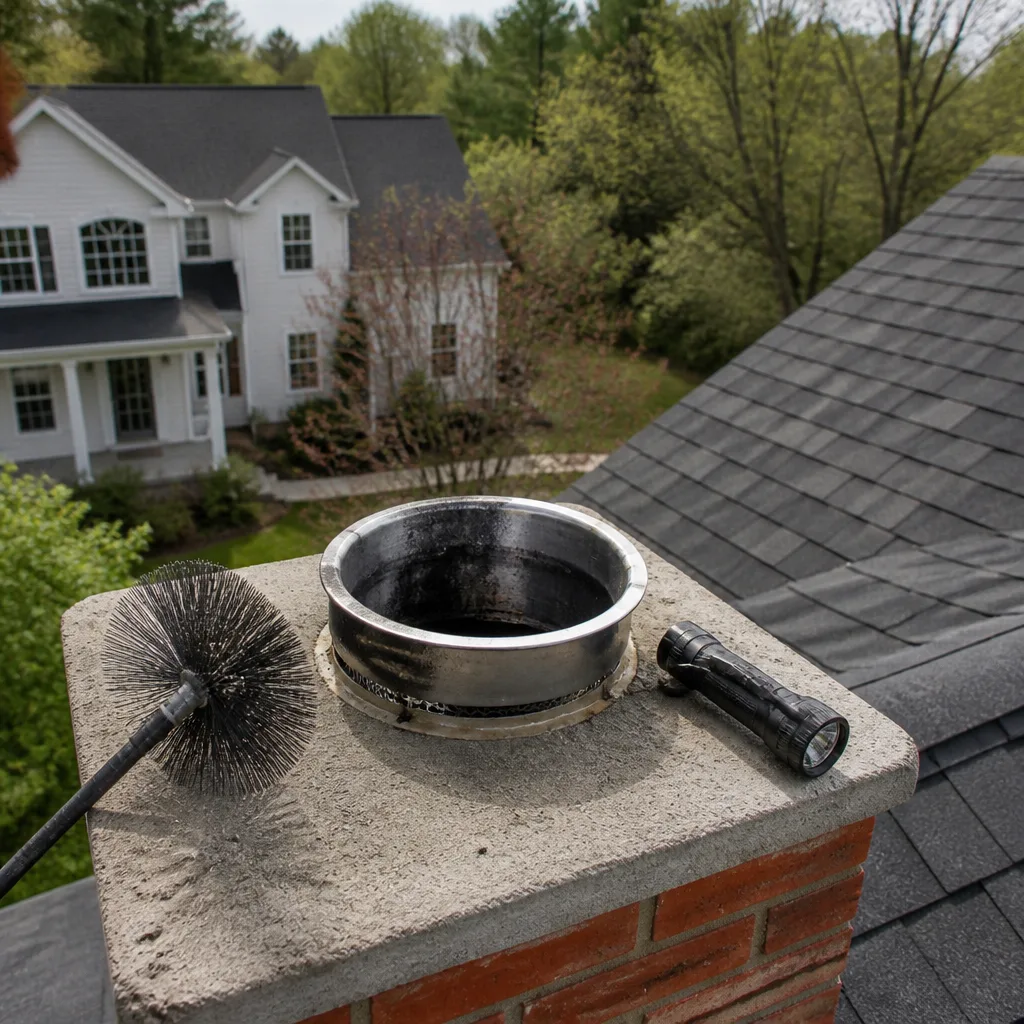 Sweep & inspection
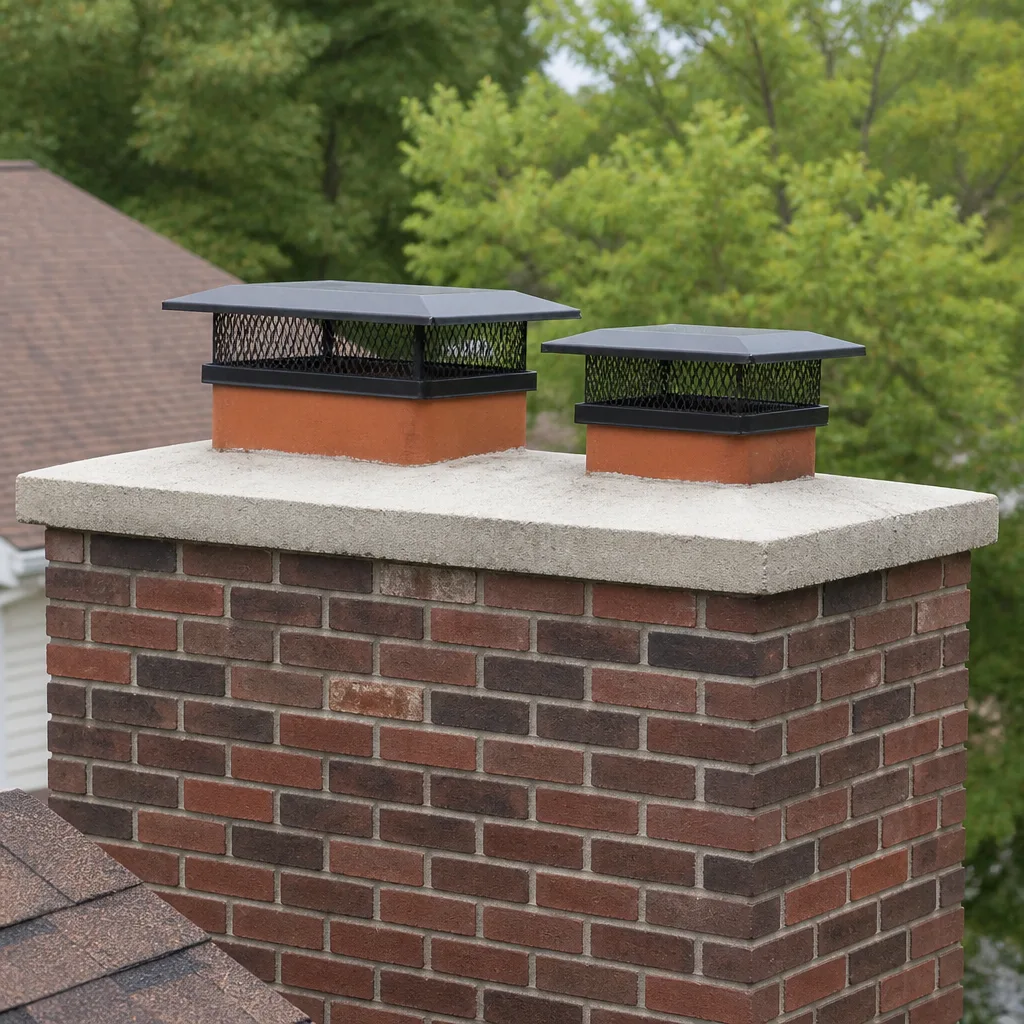 Caps & crowns
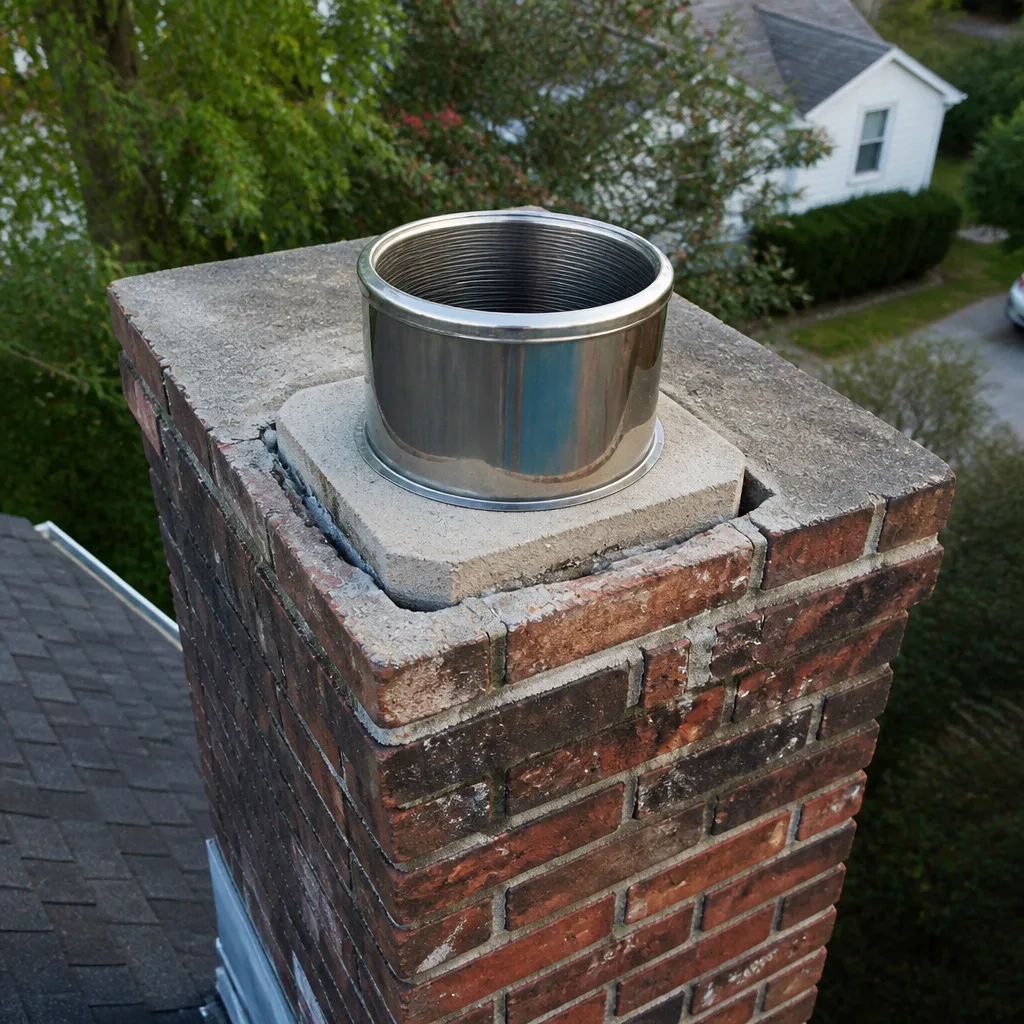 Flue relining
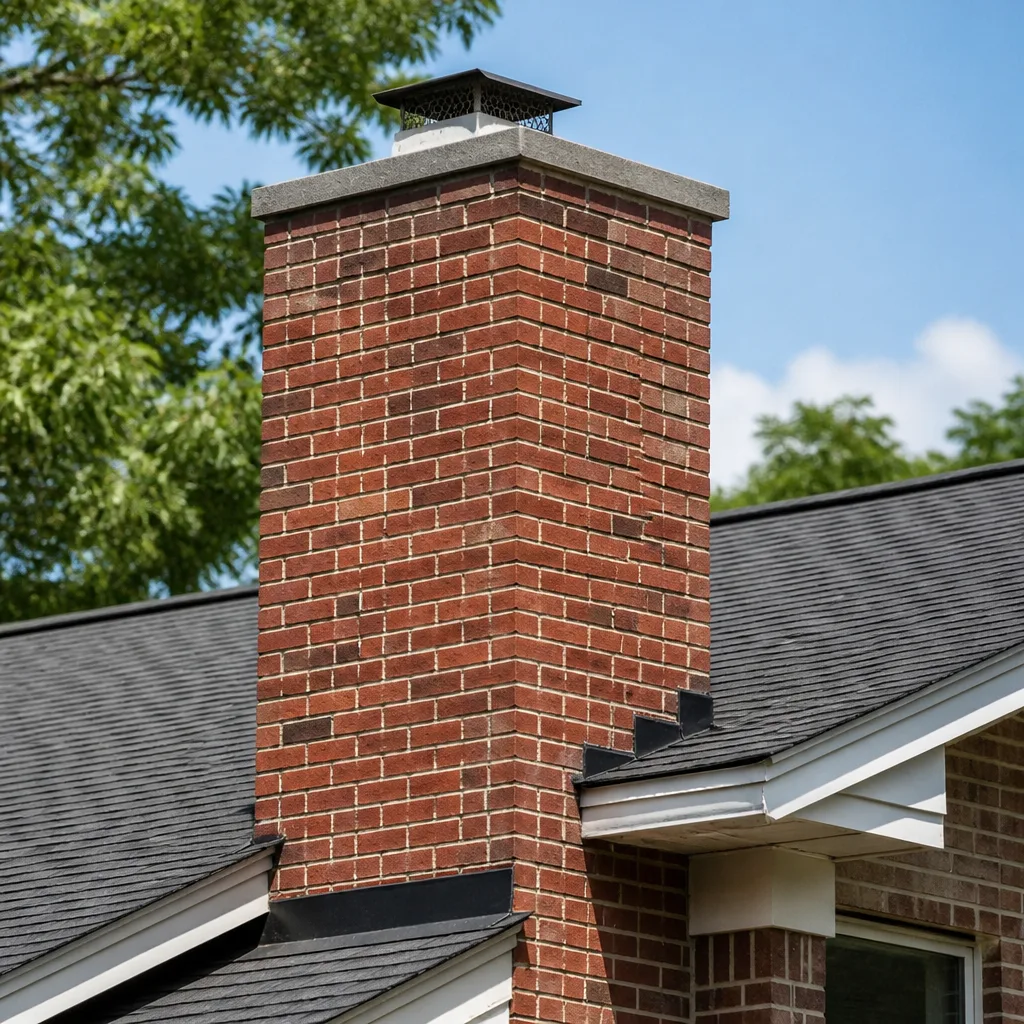 Masonry repair
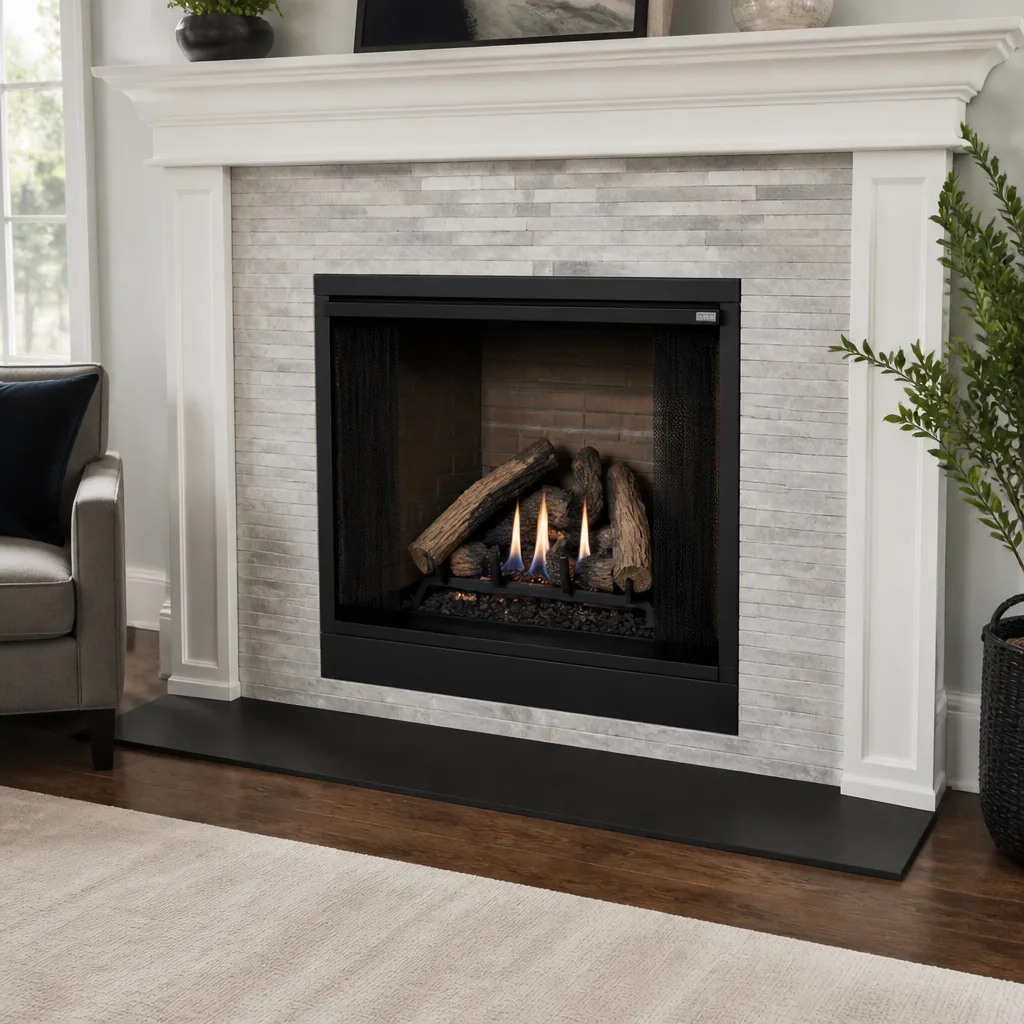 Gas fireplace service
Level 1 sweep and inspection to the NFPA 211 annual standard - flue, crown, cap, and flashing checked and photographed
Chimney sweep logs do not sweep chimneys. They loosen some creosote - which then falls where a brush and vacuum still have to collect it.
Chimney Cleaning Permits, Codes & Inspections in Green Hills, TN: What You Need to Know
Most homeowners assume the paperwork starts the moment anyone touches a chimney. It doesn’t. In Tennessee, the cleaning itself is essentially unregulated at the permit desk. What catches people off guard is everything after the sweep: the relining, the crown rebuild, the firebox reconstruction. Those repairs frequently cross into permit territory, and skipping that step has a way of surfacing later, usually at the worst possible time. This guide walks through where the line sits in Green Hills so you can pay for the permits you actually need and avoid the ones you don’t.
Quick Answer
Chimney cleaning does not require a permit in Tennessee or in Davidson County. Chimney repairs that alter the structure, the flue system, or the chimney above the roofline often do require a permit, and those repairs are expected to follow NFPA 211, the national chimney standard that Tennessee code leans on. An inspection is documentation, not a permit trigger, but a code-compliant inspection report is what proves the work was done correctly when you sell.
Styles & brands we work with
- Sweep & inspection
- Caps & crowns
- Flue relining
- Masonry repair
- Gas fireplace service
Table of Contents
- What Tennessee State Fire Marshal Rules Say About Cleaning vs. Repair
- Where Metro Nashville Adds Requirements the State Code Doesn’t
- Which Chimney Repairs Trigger a Permit in Davidson County
- How NFPA 211 Applies to Green Hills Homes and Gas Appliances
- What a Code-Compliant Inspection Report Looks Like
- Why This Matters If You Plan to Sell Within Five Years
- Cosmetic vs. Structural Repair: Spalled Brick vs. the Smoke Chamber Corbel
- How a Permit-Compliant Repair Usually Goes, Step by Step
What Tennessee State Fire Marshal Rules Say About Cleaning vs. Repair
Tennessee’s statewide fire and building codes define a chimney as part of the structure of a building. That single classification is what separates cleaning from repair in the eyes of a code official. Cleaning removes creosote, soot, and debris from an existing, unchanged flue. Repair changes the flue or the structure around it. One is maintenance. The other is construction.
The State Fire Marshal’s office adopts national model codes, and the chimney provisions inside those codes reference NFPA 211 as the technical standard. In practice, that means the state isn’t writing its own chimney rules from scratch. It’s pointing at a national standard and asking local jurisdictions to enforce it. For a homeowner in Green Hills, the practical takeaway is straightforward: nobody is going to ask to see a permit for a sweep, but a repointing job that changes how a chimney sheds water, or a liner replacement that changes the flue’s cross-section, sits in a different category.
Here’s the distinction we explain most often:
- Maintenance (no permit): sweeping, creosote removal, visual inspection, cap cleaning, minor cap hardware replacement, damper adjustment.
- Repair (permit usually required): liner replacement or relining, firebox reconstruction, chimney rebuilds above the roofline, structural masonry work, changes to the flue’s shape or size.
- Gray area (ask the building department): crown replacement, extensive tuckpointing, smoke chamber parging, damper replacement.
That gray area is where most of the confusion lives, and it’s where a phone call to Metro Nashville’s codes office before work starts saves real headaches. We’ve watched homeowners in Green Hills get talked into permits for a sweep and skip them for a liner, which is exactly backwards. The cost of a permit is small next to the cost of an unpermitted repair sitting on a resale disclosure.
Where Metro Nashville Adds Requirements the State Code Doesn’t
Davidson County doesn’t write its own chimney code from scratch. What Metro Nashville does is adopt the state’s model codes with local amendments, and those amendments are where the paperwork gets specific. The state sets the technical bar; Metro decides how it’s enforced, who inspects, and what documentation gets filed when a structural repair is complete.
For a Green Hills homeowner, the local layer shows up in three places:
- Permit intake. Metro Nashville’s codes department is the office you actually call. A repair permit for a chimney rebuild or a liner replacement gets filed there, not with the state, and the fee is set by the local schedule based on project value.
- Inspection sequencing. Structural masonry repairs and flue alterations typically get inspected before the work is closed up. That means the flue has to be accessible when the inspector arrives, which changes how the job gets scheduled. A repair crew that finishes and caps everything on day one can create a problem for the homeowner.
- Documentation at resale. Metro’s records are what a buyer’s attorney pulls when they check for unpermitted work. A repair that exists only in a contractor’s memory doesn’t show up, and that’s the scenario that stalls closings.
One Green Hills quirk worth knowing: much of the neighborhood sits on older lots with mature tree canopy, and chimneys here deal with a lot of organic debris on the crown and cap. That debris drives water damage, and water damage drives crown and masonry repairs, which is precisely the category where Metro’s permit rules apply. The trees are the reason the permit question comes up as often as it does. It’s not that Green Hills chimneys are unusual. It’s that they get worked on more.
When in doubt, a single call to Metro Nashville’s codes office answers the question definitively for your address. Ask them to describe the scope in writing if you’re unsure whether your repair crosses the line.
Which Chimney Repairs Trigger a Permit in Davidson County
In Davidson County, the repairs most likely to require a permit are the ones that change the chimney’s structure or its flue system. Cosmetic work generally doesn’t qualify. The rule of thumb we use: if the repair affects how the chimney performs as a venting system, or how it holds itself up, assume a permit is in play.
| Repair type | Permit status in Davidson County | Why |
|---|---|---|
| Liner replacement or relining | Usually required | Alters the flue’s venting characteristics |
| Firebox reconstruction | Usually required | Structural alteration to the firebox assembly |
| Chimney rebuild above the roofline | Usually required | Structural masonry work above the weatherline |
| Smoke chamber rebuild | Often required | Changes the flue’s transition geometry |
| Crown replacement | Varies | Ask the codes office; depends on scope |
| Tuckpointing spalled brick | Usually not required | Cosmetic and weatherproofing in nature |
| Sweeping and inspection | Not required | Maintenance work, no structural change |
We treat a liner replacement as a permit job by default here, even when the scope is modest. When we run a chimney repair estimate, whether the work needs a permit is part of the conversation from the start, not something discovered on the last day. That matters because the permit timeline and the work timeline have to line up. A crew that installs a DuraFlex liner and closes the chimney before an inspection can create a rework problem.
The repair that trips people up most often isn’t the dramatic rebuild. It’s the quiet relining, especially on a house that’s about to be listed. A liner is invisible once it’s in. The only way anyone knows it was done correctly is the paperwork behind it.
How NFPA 211 Applies to Green Hills Homes and Gas Appliances
NFPA 211 is the national standard for chimneys, fireplaces, vents, and solid fuel-burning appliances. It’s the technical backbone most Tennessee chimney code references, even when the local rules don’t name it directly. For Green Hills homes, it does two jobs: it sets the minimum structural and clearance requirements for the flue, and it defines what a proper inspection has to cover.
Standard clearances matter more in older Green Hills stock than most homeowners realize. Many houses here were built in an era when clearances to combustibles were less strictly enforced, and a flue that was acceptable then may not meet the standard now. A chimney that passes a visual look can still fail a proper inspection on clearance alone. That isn’t a reason to panic. It’s a reason to get the inspection done before someone sells the house.
The gas appliance question comes up constantly in Green Hills, and it’s the one where homeowners get the most confused:
- Vented gas logs. These require a functioning flue sized and maintained for the appliance. NFPA 211 treats them as a connected appliance, so clearance, flue condition, and termination all get evaluated together.
- Unvented gas logs. These don’t exhaust into the flue, but burning them in a firebox with a damaged flue or a clogged chimney can still trap combustion byproducts. In our experience, Green Hills homeowners with unvented logs are the most likely to have skipped a sweep entirely.
- Converting to gas. Putting a gas log set into a wood-burning fireplace changes the venting requirements. The appliance has to match the flue, which is a code question, not just a comfort question.
We look at connected appliances as part of the system, not as an afterthought. When we install a chimney cap & crown after a repair, the appliance type determines what gets recommended for the top of the flue, whether that’s a Copperfield cap sized for the appliance or a different venting setup entirely. Matching components to the appliance is where a chimney specialist earns their keep versus a generalist who’s seen one gas log install and assumes they’ve seen them all.
What a Code-Compliant Inspection Report Looks Like
A code-compliant inspection report is not a checklist on a carbon-copy form. It’s documentation with enough detail that a third party can verify what was found, what was done, and what condition the chimney is in afterward. We do this every day, and the difference between a thin report and a thick one is usually what happens next, whether a repair is recommended and whether the homeowner understands why.
A report that will hold up to scrutiny covers these pieces:
- Level of inspection. NFPA 211 defines inspection levels, and the report should state which one was performed and why. A routine sweep is typically a Level 1 visual. A sale, a change of appliance, or a known problem calls for a higher level.
- System description. Flue type, liner material, appliance type, and any offset or geometry that affects venting. This is where a Green Hills house with an offset flue gets its documentation.
- Photos. The firebox, smoke chamber, flue, crown, and cap should each have visual evidence. If there’s a crack, it should be photographed.
- Clearance notes. The clearance between the flue and combustibles, where it can be evaluated, should be documented. This is one of the most commonly skipped items on a thin report.
- Findings separated from recommendations. The condition of what exists is one thing. What we suggest doing about it is another. Good reports keep them apart so a seller can see what’s fact and what’s advice.
- Camera documentation when scope warrants it. If the inspection reaches beyond a visual level, the video or stills from the flue become part of the record.
Why this matters in Green Hills specifically: houses here change hands often, and the report is what a buyer’s inspector will ask to see. A report that says “chimney in good condition, no action needed” without specifics won’t survive the second conversation. A report with photos and clearances will. We’ve seen the difference decide whether a closing moves forward on schedule or gets dragged into a review.
Why This Matters If You Plan to Sell Within Five Years
An unpermitted chimney repair doesn’t disappear when the house goes on the market. It sits there, undisclosed, until a buyer’s attorney pulls the permit history and finds the work that should have been filed and wasn’t. In Davidson County, that history is public. What shows up on it is the difference between a routine closing and a three-week pile-on of paperwork and re-inspection.
The scenario we see isn’t dramatic. It’s quiet. A liner goes in on a handshake and a receipt. Two years later, the disclosure question comes up, and the seller has to decide whether to disclose unpermitted work or hope nobody checks. The buyer’s inspector finds the liner, notes it, and the closing stalls while everyone sorts out whether the work was done to code. The homeowner pays twice: once for the work, and once for the professional re-inspection and certification that should have happened the first time.
What to have ready if you’re selling within five years:
- A documented inspection report, at whichever NFPA 211 level matches the situation.
- Permit records for any liner replacement, firebox work, or rebuild above the roofline.
- Photos of the interior of the flue after any repair, taken before the chimney was closed up.
- Appliance documentation if the fireplace has gas logs or a converted setup.
Buyers in Green Hills tend to be thorough, and their inspectors match. The good news is that a clean paper trail is completely achievable. It just has to be built as the work happens, not reconstructed after the fact. If you’re planning to list, an inspection now is cheaper than an inspection under contract pressure later. The written estimate sets the final price, and you’ll know what you’re dealing with before the buyer does.
Cosmetic vs. Structural Repair: Spalled Brick vs. the Smoke Chamber Corbel
Cosmetic repair and structural repair are not the same category of work, and the permit question follows that line. The confusion comes from the fact that they can look similar from the outside. A spalled brick and a failing corbel both look like “brick needs work” to a homeowner looking up from the driveway. One is weatherproofing. The other affects how the chimney holds together.
Cosmetic: tuckpointing spalled brick is the classic example. The brick face has flaked, usually from freeze-thaw cycles or water that got behind the masonry, and the fix is to grind out the failing mortar joint and repoint with fresh mortar. It changes the appearance and the water-shedding characteristics, but it doesn’t change the chimney’s structural capacity or the flue’s venting. In Davidson County, this is generally not a permit job. It is a job worth doing promptly, because water getting deeper into the masonry is what eventually turns a cosmetic problem into a structural one.
Structural: the smoke chamber corbel is the classic example of the other side. The corbel is the corbelled masonry inside the smoke chamber that transitions the wide firebox opening up to the flue. It’s part of the chimney’s structural geometry, and rebuilding it involves altering how the flue functions as a venting system. In our experience, a failing corbel gets missed on visual inspections more than any other part of the chimney. It sits above the damper, behind the smoke shelf, and it’s the reason a Level 2 inspection with camera access exists. If a corbel gets rebuilt, that work almost always triggers a permit in Davidson County, and it should. The finished geometry has to match the flue or the fireplace won’t draft correctly.
How to tell which side you’re on without climbing a ladder:
- If the problem is visible from the ground on the exterior masonry and involves mortar or flaking brick face, it’s likely cosmetic.
- If the problem is inside the firebox, smoke chamber, or flue, assume structural until proven otherwise.
- If smoke backs into the room, or the fireplace has never drafted well, the issue is usually structural and worth inspecting properly.
We use HeatShield ceramic resurfacing on the smoke chamber in cases where the geometry is intact and only the surface needs restoring. That’s a different scope from a full corbel rebuild, and it’s a method most general contractors don’t carry. Knowing which one applies is the difference between a modest repair and a major one, and it’s a question that should be answered with camera images, not a ladder and a flashlight.
How a Permit-Compliant Repair Usually Goes, Step by Step
A repair that needs a permit follows a sequence, and the sequence matters as much as the work itself. Skip a step and the job can fail inspection, which means rework and a longer timeline. Here’s what a smoother version looks like in Green Hills:
- Inspection first. Identify the scope before anyone quotes a number. That means the fireplace, the smoke chamber, the flue, the crown, and the cap, with camera access where the inspection level warrants it. The report drives everything that follows.
- Written scope and estimate. The estimate should state clearly whether a permit is required and what the scope covers. If the scope is uncertain, ask the building department before signing anything.
- Permit application. File with Metro Nashville’s codes office. Provide the scope, the appliance details, and the proposed materials, whether that’s a DuraFlex liner, a HeatShield resurfaced smoke chamber, or a full rebuild.
- Scheduled inspection. Structural work and flue alterations typically need inspection before they’re closed up. The crew has to sequence the job around that, which means the chimney may stay open for a period.
- Work execution. The repair gets done to the scope in the permit. If the inspection reveals something that changes the scope, the permit gets amended before the work continues, not after.
- Final inspection and documentation. The inspector signs off, the paperwork gets filed, and the homeowner keeps copies. That file is what protects the sale down the road.
- Maintenance going forward. A sweep on a regular schedule keeps the repaired system healthy. For wood-burning fireplaces in Green Hills, that usually means an annual sweep before burning season.
The part most homeowners underestimate is step 4. Scheduling the inspection changes how the job runs, and a crew that isn’t used to permit work tends to fill the chimney back in as soon as the work is done, which is exactly when the inspector needs to see inside. When we quote a repair, the inspection sequencing is part of the conversation from the start.
If you’re not sure whether your repair needs a permit, start with the inspection. Our team can do the inspection, document what’s there, and tell you specifically whether the scope crosses the line. A chimney sweep first, an honest scope second. That order saves money.
Common Mistakes to Avoid
- Paying for a permit to get the chimney swept. Sweeping is maintenance and doesn’t need one. If someone quotes you a permit fee for a routine sweep in Green Hills, that’s a red flag worth asking about.
- Skipping the permit on a liner replacement. The liner is invisible when it’s done, and that’s exactly why the paperwork matters. Two years later, the missing permit is what stalls the sale.
- Treating tuckpointing and corbel work as the same job. They look similar from the ground and they’re in completely different permitting categories. Get the smoke chamber inspected before assuming the work is cosmetic.
- Getting the inspection after the work instead of before. The inspection drives the scope. If you get it after the work, you’re paying for confirmation, not guidance.
- Closing up the chimney before the inspector sees it. On a permitted repair, the sequence includes inspection before closure. A crew that doesn’t plan for that creates rework and a longer timeline for you.
- Assuming unvented gas logs don’t need the flue checked. They don’t vent through the flue the same way, but a compromised firebox or a clogged chimney still matters. The inspection still applies.
- Waiting for the listing agent to sort out the permit history. Public records are public. A repair that wasn’t filed will be found, and the conversation is easier to have on your own schedule than under contract.
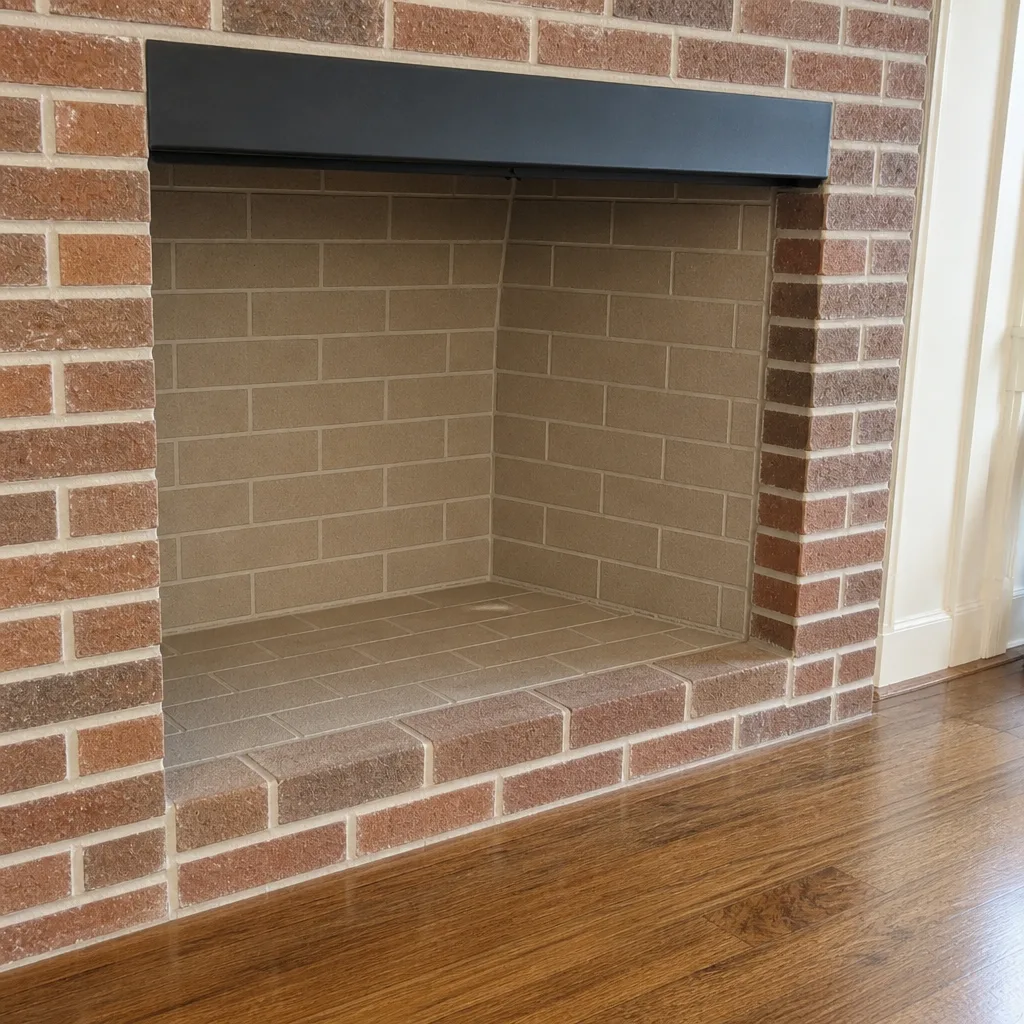
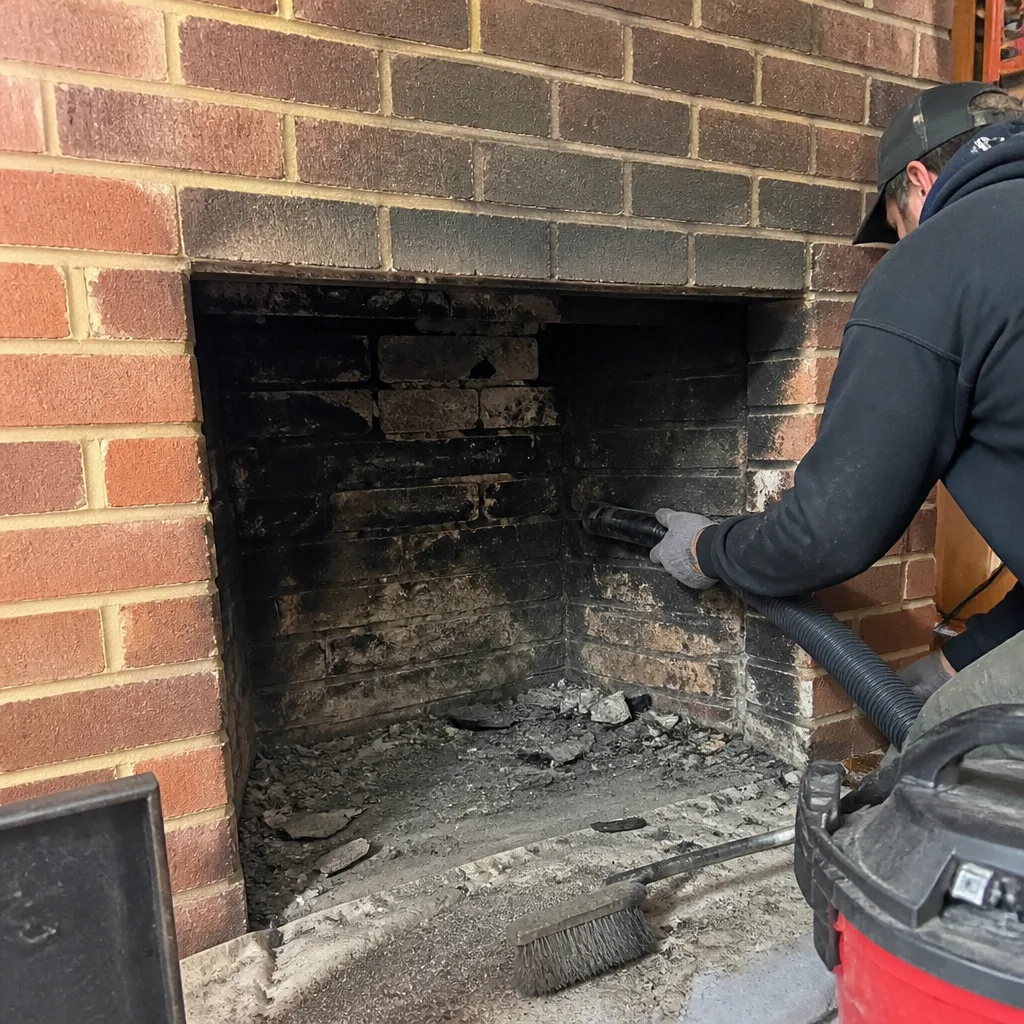
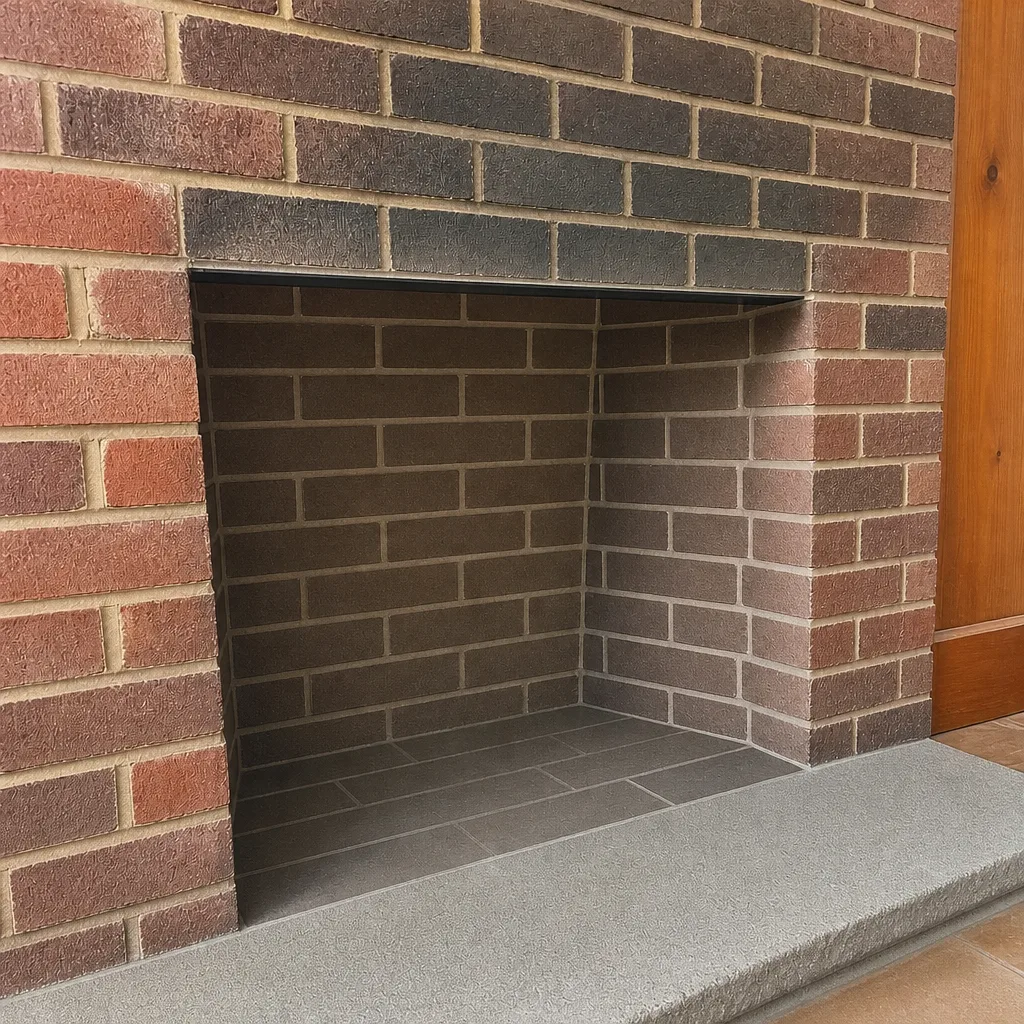
See the difference
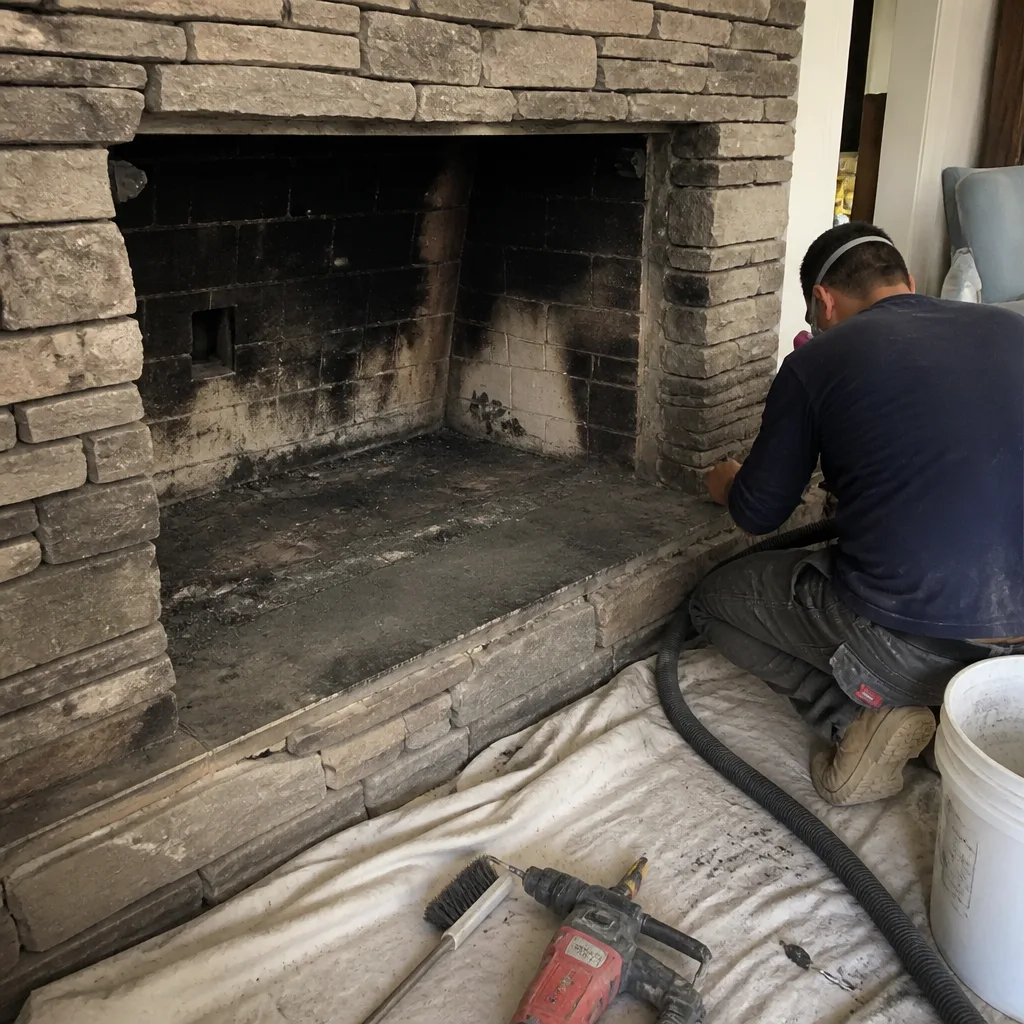 Before
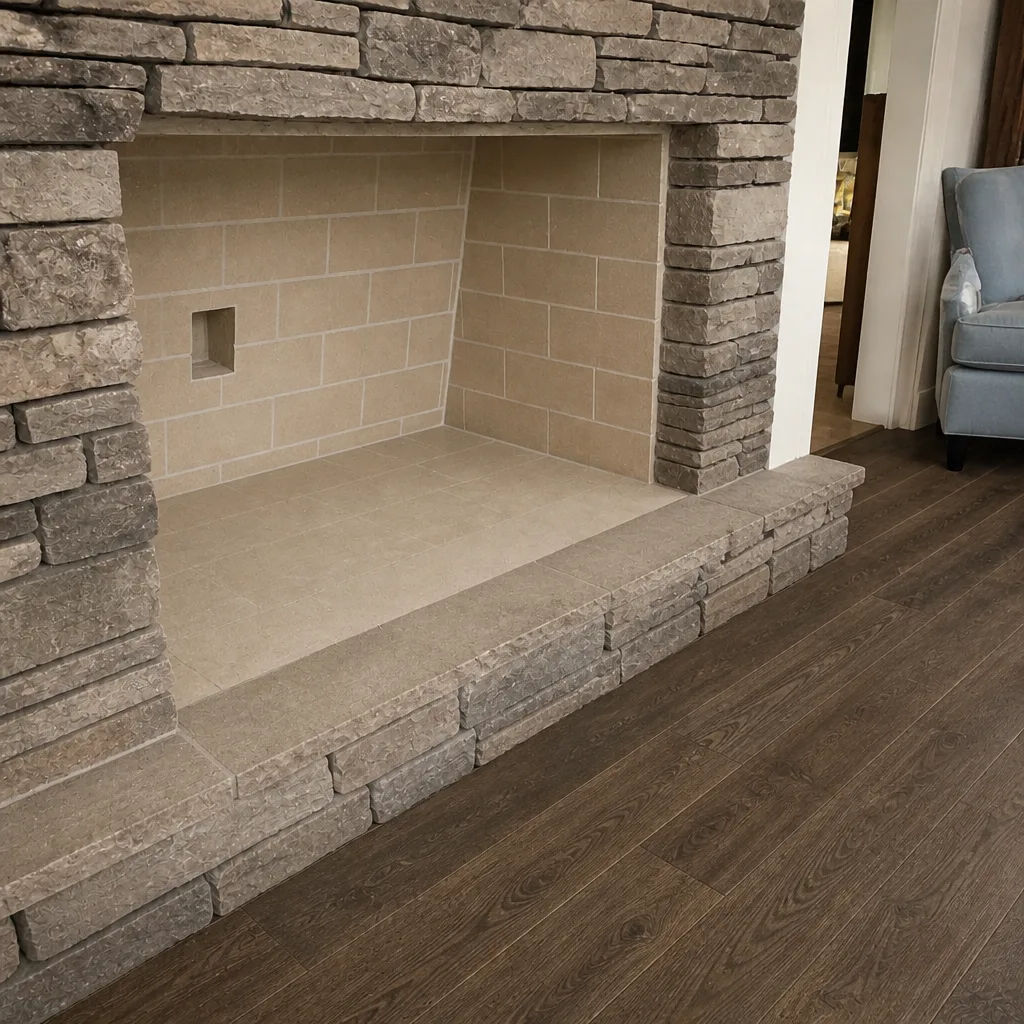 After
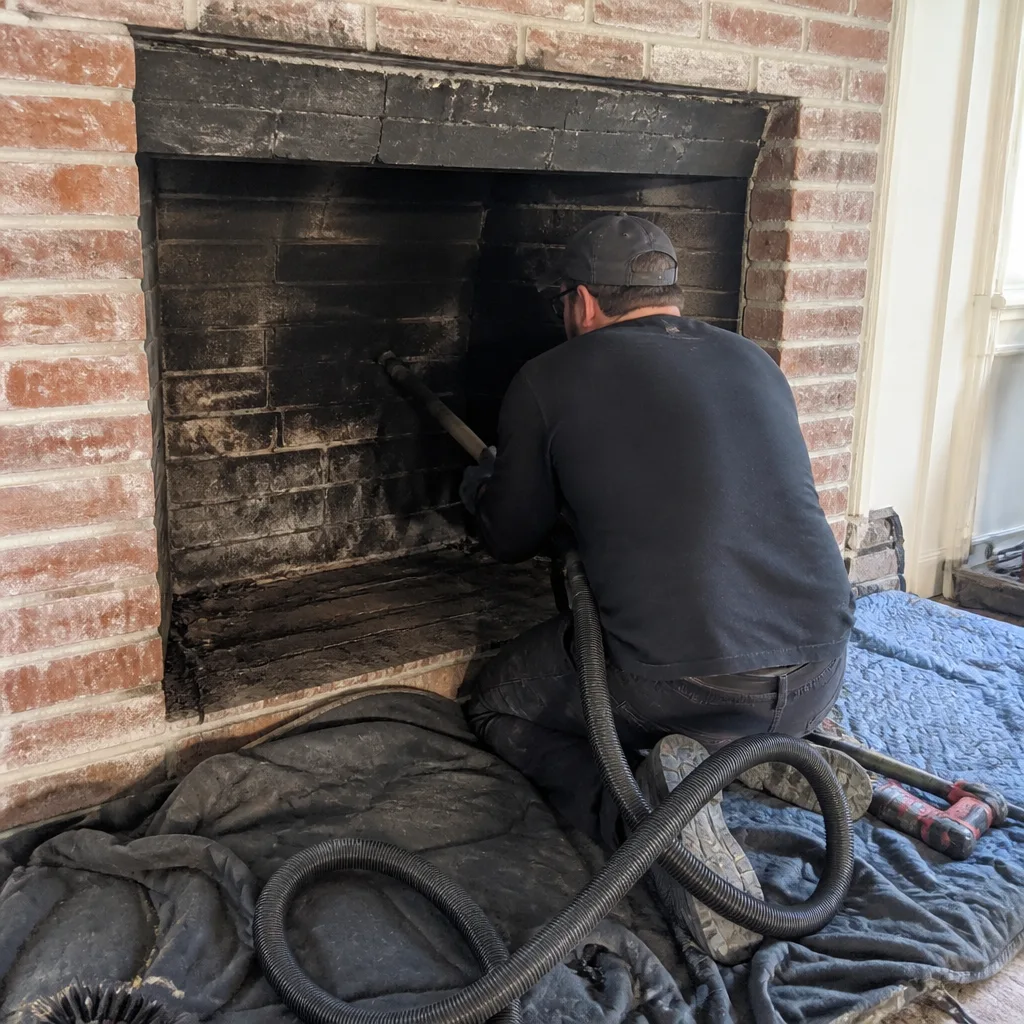 Before
 After
 Before
 After
When to Call a Professional
Some questions can be answered by a homeowner with a flashlight. Permit scope and structural diagnosis are not on that list. If you’re planning a repair, if smoke has ever backed into the room, if a gas log set was installed without documentation, or if the house is heading toward a sale, it’s time to call a chimney specialist. The same goes for any chimney that hasn’t been inspected since you moved in, and any fireplace that’s about to be used for the first time this season.
If you’re unsure whether a repair needs a permit, the inspection answers that question before any money gets spent on the repair itself. If you’re ready to schedule a fireplace repair or you want documentation for a sale, our team can look at the whole system at once and tell you what’s actually needed and what can safely wait.
Chimney Sweep Green Hills offers free estimates in Green Hills. We answer 24/7. Fast dispatch from 7am to 7pm, Sunday through Friday. Call (866) 990-4158.
Frequently Asked Questions
No. A chimney sweep is maintenance work and doesn’t require a permit in Tennessee or in Davidson County. What can require a permit is any repair discovered during the sweep that changes the flue system or the chimney’s structure, so the sweep itself is often how you find out whether a permit question exists.
Usually yes. A liner replacement alters the flue’s venting characteristics, which puts it in the repair category Metro Nashville’s codes office reviews. File the permit before the work starts, and plan for the inspection to happen before the flue is closed up. Call (866) 990-4158 for an estimate and we’ll walk you through whether your scope needs one.
Cosmetic repair changes the surface and water-shedding characteristics without changing the chimney’s structure or flue. Tuckpointing spalled brick is the clearest example, and it usually doesn’t need a permit. Structural repair changes how the chimney holds together or how it vents. Rebuilding the smoke chamber corbel or replacing the liner both fall into that category, and both usually require a permit in Green Hills.
The Tennessee State Fire Marshal adopts the model codes and points to NFPA 211 as the technical standard, while Metro Nashville’s codes office handles permits and inspections locally. In practice, your building department is who you call for a permit question, and NFPA 211 is the technical standard the work gets measured against.
NFPA 211 recommends an annual inspection, and a sweep on the same schedule for wood-burning fireplaces. The trees around Green Hills mean more debris on crowns and caps than in neighborhoods with sparser canopy, so annual checks catch water damage early. If the fireplace is used heavily or the house is changing hands, get an inspection regardless of when the last one happened.
The closing can stall while the work gets re-inspected and documented after the fact. The buyer’s attorney pulls the permit history, sees the unpermitted repair, and everyone has to sort out whether the work was done to code. It’s fixable, but it costs more than filing the permit would have, and it takes longer because you’re working on someone else’s timeline. Call (866) 990-4158 before the work starts, not after the sale is in motion.
The Bottom Line
The line between a sweep and a permit isn’t complicated once you know where it sits. Cleaning in Green Hills doesn’t require one. Repairs that alter the flue system or the chimney’s structure in Davidson County usually do. NFPA 211 is the technical standard behind both, and Metro Nashville’s codes office is who enforces it locally. The inspection comes first, the scope comes from the inspection, and the permit follows the scope. That sequence protects your safety and your resale. If any part of it is unclear for your house, the inspection answers it. We’re a full-service chimney specialist: sweep, inspection, cap and crown, liner, and structural repair, all documented and all in one place. Call (866) 990-4158. We answer 24/7. Fast dispatch from 7am to 7pm, Sunday through Friday. The estimate is free, and the written estimate sets the final price. Our technicians have up to 14 years of experience, and we install DuraFlex, HeatShield, Gelco, Olympia Chimney, Famco, and Copperfield components because they’re the material lines the certified chimney industry actually trusts.
Written by the team at Chimney Sweep Green Hills.