
Last updated November 24, 2026
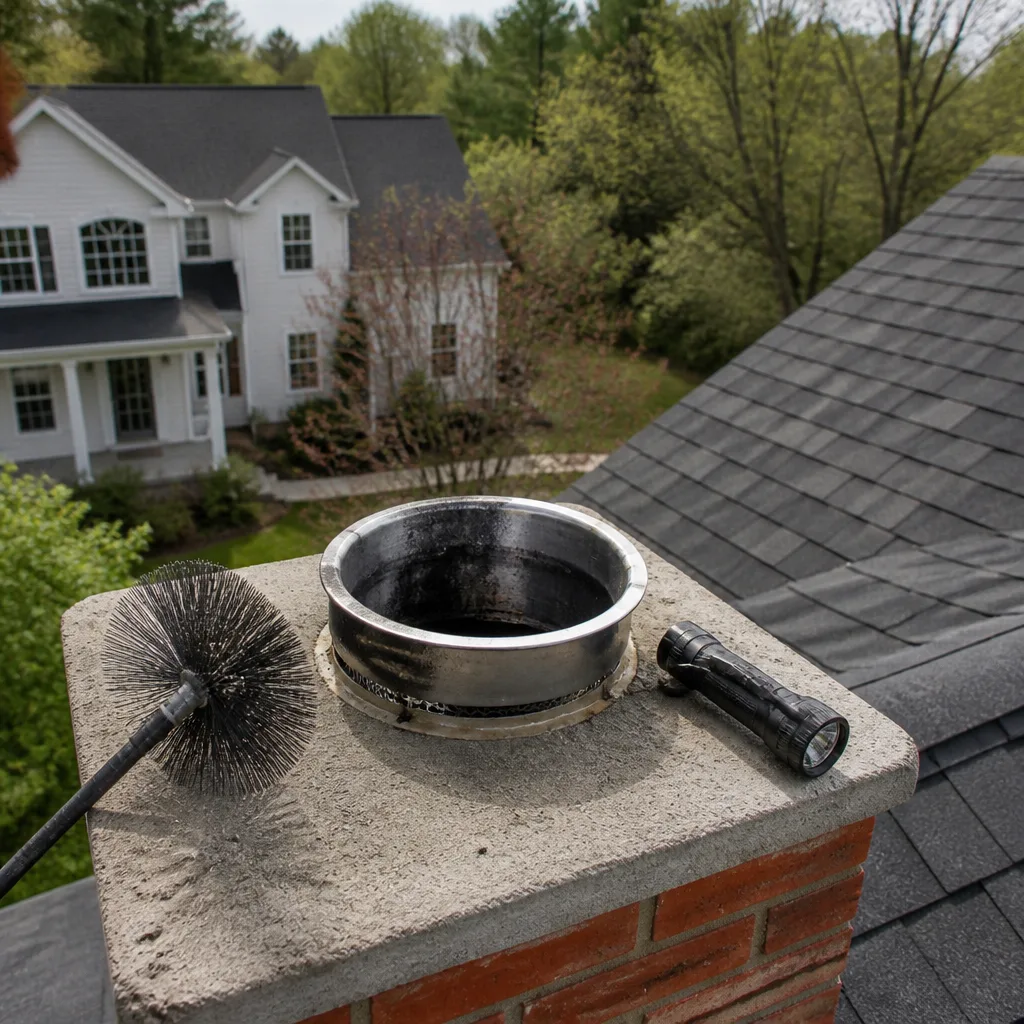 Sweep & inspection
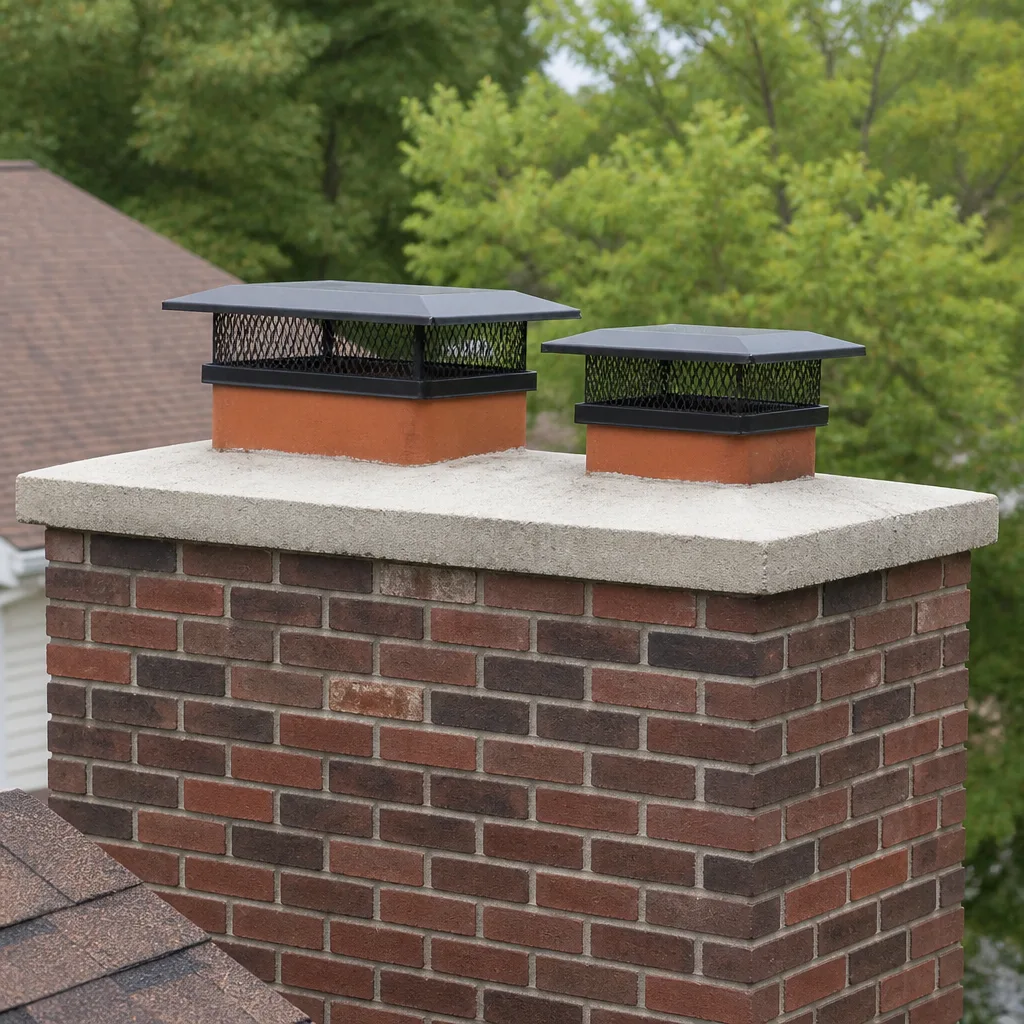 Caps & crowns
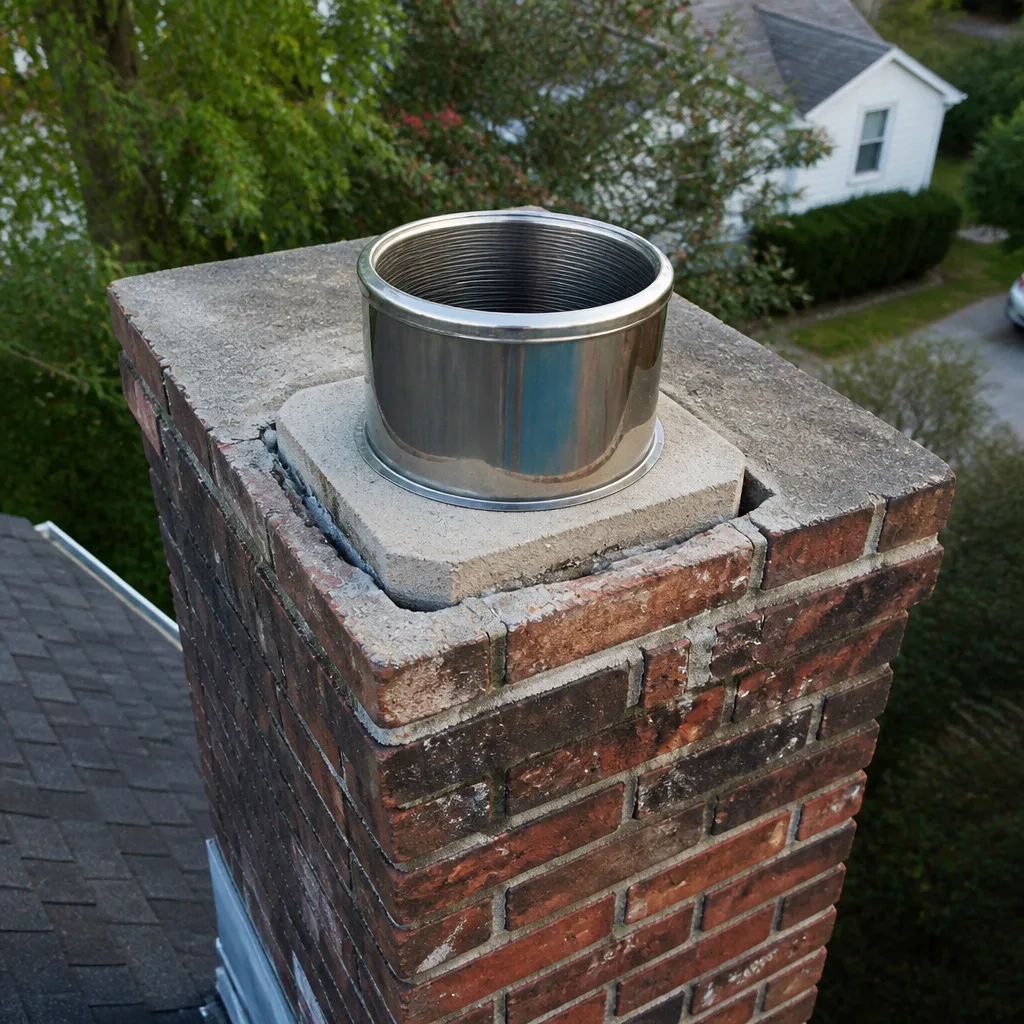 Flue relining
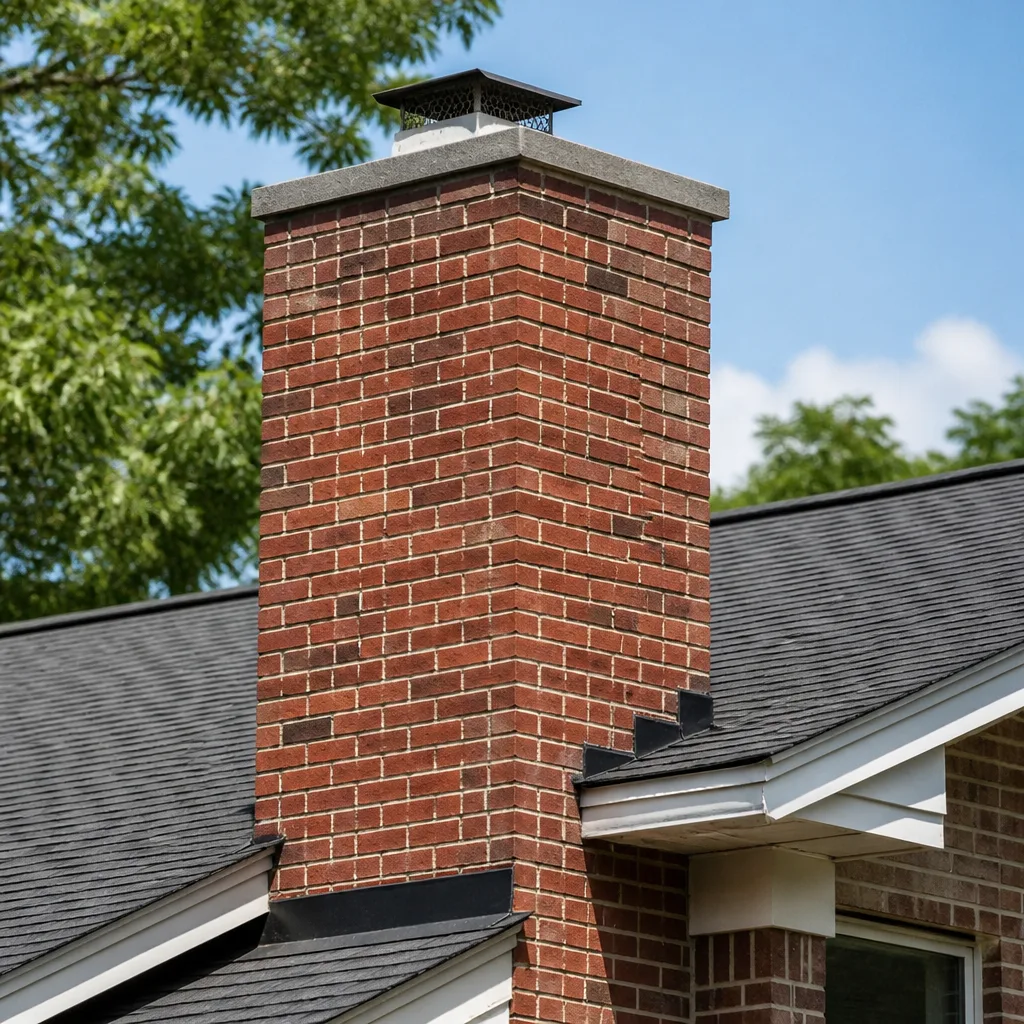 Masonry repair
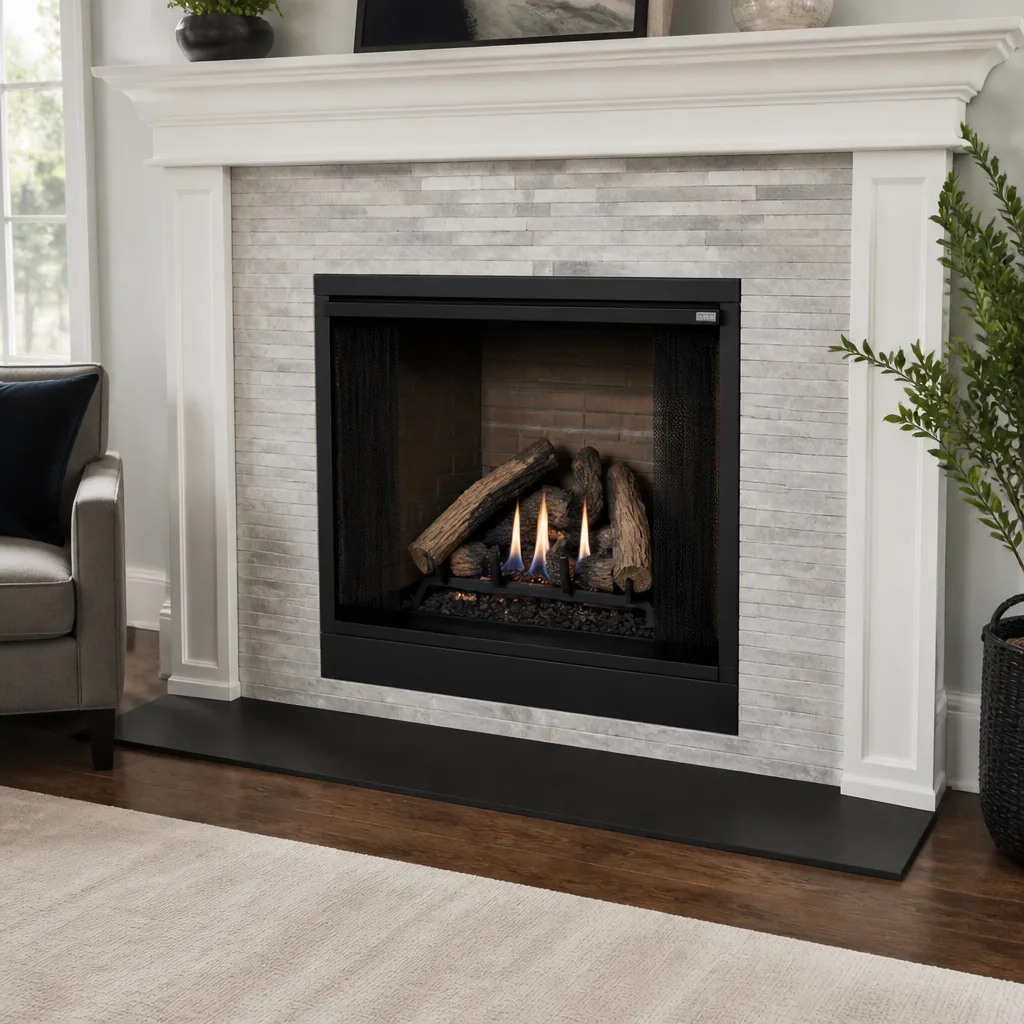 Gas fireplace service
Level 1 sweep and inspection to the NFPA 211 annual standard - flue, crown, cap, and flashing checked and photographed
Chimney sweep logs do not sweep chimneys. They loosen some creosote - which then falls where a brush and vacuum still have to collect it.
The Complete Guide to Chimney Cleaning in Green Hills
Most homeowners picture chimney cleaning as a brush on a rod and a vacuum at the bottom. The reality involves at least six distinct inspection zones, and missing any one of them is how a Stage 2 creosote deposit goes undetected for years. In Green Hills, that gap matters more than in most places. The same homes that burn hardwood hard through cold winters also sit through humid summers that push masonry deterioration along faster than dry-climate homeowners ever deal with. This guide walks through every stage of a professional sweep, from flue to firebox, and explains what’s actually happening inside your chimney at each step. You’ll learn what each zone is checked for, why inspection levels differ, and how to read a post-cleaning report so you know what’s urgent and what can wait. Chimney Sweep Green Hills provides this service locally.
Quick Answer
Chimney cleaning in Green Hills means more than running a brush through the flue. A complete service covers the crown, flashing, liner, smoke chamber, damper, and firebox, and it should include a camera inspection with a written or photo report you keep. In Green Hills, the combination of heavy winter hardwood burning and humid summers means creosote and masonry wear can outpace the national burn-hour benchmarks, so annual service matters even in years when your firebox looks clean.
Styles & brands we work with
- Sweep & inspection
- Caps & crowns
- Flue relining
- Masonry repair
- Gas fireplace service
Table of Contents
- Why Green Hills Chimneys Age Differently Than the National Benchmarks Assume
- The Six Zones a Full Chimney Cleaning Covers
- Understanding Creosote: What Stage Are You At?
- Level 1, Level 2, and Level 3 Inspections Explained
- What Happens During a Professional Sweep, Step by Step
- How to Read a Post-Cleaning Report
- Rotary Cleaning vs. Standard Brushes: What Changes
- Common Mistakes to Avoid
Why Green Hills Chimneys Age Differently Than the National Benchmarks Assume
The industry’s burn-hour benchmarks tell you a chimney handling a typical schedule of fires can go a certain number of hours before it’s due for a sweep. Those benchmarks are built on national averages. Green Hills isn’t average.
Two forces work against Green Hills chimneys at the same time. The first is burn volume. Winters here are cold enough that many households run a fire most nights from late fall through early spring, and hardwood is the common fuel. More burn hours mean more creosote deposits, and hardwood’s moisture content when it’s not fully seasoned adds to the problem.
The second is summer humidity. Green Hills summers are humid, and that moisture works on the masonry itself. Brick and mortar absorb moisture, then dry, then absorb again with each swing in the weather. Over years, that cycle wears on mortar joints and crown surfaces. A chimney that’s tight in a dry climate can develop hairline cracks here that let water in and start the cycle over.
Put those together and you get a chimney system that accumulates creosote faster during the burn season and deteriorates faster during the off-season. What that means practically:
- Annual cleaning is the baseline in Green Hills, not a stretch goal. Some homeowners benefit from a midseason check during heavy-use winters.
- Moisture management matters as much as the sweep. A sound crown, working cap, and intact flashing keep water out of masonry that would otherwise degrade faster.
- Seasoned, dry hardwood reduces creosote and is worth sourcing deliberately, especially given how much volume Green Hills households burn.
- A chimney that passes inspection one year can show new mortar wear two seasons later. The inspection is annual for a reason.
This is why we treat the sweep and the structural inspection as one visit rather than two separate concerns. You can’t tell how a chimney is holding up from the firebox alone.
The Six Zones a Full Chimney Cleaning Covers
A thorough cleaning touches six distinct zones, and each one is checked for different problems. Skipping any of them is how a small issue becomes an expensive repair.
- The crown. The crown is the concrete or masonry cap at the top of the chimney that sheds water away from the flue. A technician looks for cracks, spalling, and separation where the crown meets the flue tile. These are among the most common water-entry points, and in a humid-summer climate like Green Hills, a cracked crown is a direct route to masonry damage below.
- The flashing. Flashing is the metal sealing where the chimney penetrates the roof. A technician checks for rust, lifting, or gaps. Failed flashing lets water run down the outside of the chimney and into the attic or ceiling.
- The liner. The liner carries combustion gases up and out. A technician checks for cracks, gaps at the joints, and deterioration, typically with a camera. A compromised liner is a carbon monoxide concern, not just an efficiency one.
- The smoke chamber. The smoke chamber is the sloped area above the damper that funnels smoke into the flue. Its corbelled shape makes it a creosote trap. A technician checks for rough or pitted surfaces that catch deposits and for buildup on the walls.
- The damper. The damper is the metal plate that seals the flue when the fireplace isn’t in use. A technician checks that it opens and closes fully, seats correctly, and isn’t warped or rusted. A damper that won’t seal lets heated air escape up the chimney all winter.
- The firebox. The firebox is the fire chamber itself. A technician checks the brick and mortar for cracks and loose joints, and checks the fireback for wear from heat and use.
In our experience, the crown, flashing, smoke chamber, and damper are the zones most often missed by generalist contractors who add chimney work as a side service. A brush-only visit can leave all four untouched. That’s why a sweep from a chimney specialist and a sweep from a handyman aren’t the same job, even if both leave the firebox spotless.
Understanding Creosote: What Stage Are You At?
Creosote is the residue left behind when wood burns incompletely. It builds in layers, and it changes character as it thickens. Knowing the stages is how you understand what a technician is describing after a sweep.
- Stage 1: Soot and light flaky creosote. This is what a routine annual sweep handles. It brushes off the flue walls with standard tools.
- Stage 2: Hard, crusty deposits. Stage 2 creosote is baked onto the flue walls. It doesn’t brush off with a standard sweep and often requires rotary cleaning tools or chemical treatment. It’s the stage that’s easiest to miss without a camera, which is why camera inspection matters in high-burn, humid climates.
- Stage 3: Glazed, hardened deposits. Stage 3 is a glassy, tar-like layer. It’s the most flammable stage and the hardest to remove. Stage 3 in a flue often points to a liner that needs restoration or replacement before the chimney is safe to use again.
Green Hills households that burn hardwood heavily every winter are more likely to reach Stage 2 than the national benchmark numbers suggest, because the benchmarks assume average burn volume, not the sustained volumes common in cold-winter, hardwood-burning homes. Stage 3 is less common but does appear in chimneys that have gone several seasons without a sweep.
If a technician tells you the flue is at Stage 2, the right question isn’t “can you just brush it again” but “what will it take to get this back to Stage 1 and what does the liner look like underneath.” When a liner’s surface is worn from years of scraping during cleaning, restoring that surface with a system like HeatShield ceramic resurfacing can extend the liner’s service life before a full replacement is needed. Most generalists don’t carry or install that system. The point is to fix the surface, not sell a liner, which is why the recommendation should always be backed by the camera footage.
Level 1, Level 2, and Level 3 Inspections Explained
Not every inspection is the same depth. The three levels match specific situations, and knowing which applies to yours tells you what to expect from a visit.
- Level 1 inspection. A visual check of the readily accessible parts of the chimney and firebox, with basic tools. It applies when the chimney has been serviced regularly and there’s been no change in the system. It’s the standard inspection bundled with a routine annual sweep.
- Level 2 inspection. A more thorough inspection that includes a camera view of the flue and inspection of accessible areas like the attic, crawlspace, and joists around the chimney. A Level 2 applies after a home sale, after a chimney fire or storm event, after a change in fuel type or appliance, or after a significant change to the system. In Green Hills, the humid summers make a Level 2 worth considering if a chimney has sat unused for a season or more.
- Level 3 inspection. A Level 3 applies when a Level 1 or Level 2 reveals a serious concern that can’t be evaluated without opening up part of the structure. It involves removing components like a crown, interior wall, or chimney chase to inspect hidden areas. It’s the deepest level and is only warranted when specific issues call for it.
For a Green Hills home sale, buyers and sellers should expect a Level 2. A standard sweep bundled with a Level 1 isn’t the right document for a real estate transaction, and lenders or buyers often expect the deeper level. A Level 2 also applies after a storm event where wind or debris may have affected the chimney’s structure.
The same reasoning applies to post-purchase inspection. A buyer who’s just moved in often has no service history for the chimney, which is exactly when a Level 2 gives the clearest picture of what’s ahead. If the report turns up a worn crown or a cap that’s past its life, addressing it early with a chimney cap & crown installation is far simpler than waiting for water damage to spread into the masonry.
What Happens During a Professional Sweep, Step by Step
A professional cleaning follows a predictable sequence. Knowing the steps helps you understand what to expect from a visit and why it takes the time it does.
- Protect the room. Drop cloths and a high-efficiency vacuum setup come out first. The cleaner seals the firebox opening so dust and soot stay inside the system.
- Inspect before cleaning. The technician performs the inspection before the sweep, noting existing conditions so nothing gets attributed to the cleaning itself.
- Clean the flue. Rotary cleaning tools or appropriate brushes run the length of the flue, loosening and removing deposits. The choice of tool depends on creosote stage.
- Clean the smoke chamber and firebox. The smoke chamber is scraped or brushed to remove the sticky deposit its sloped surfaces catch. The firebox is swept, and brick and mortar are checked for damage.
- Check the damper. The damper is tested for full operation and proper seating.
- Camera the liner. A camera run through the flue captures the liner’s condition from top to bottom. This footage is what turns a verbal report into documented evidence.
- Inspect the crown and flashing from the roof. The top of the chimney is checked for crown cracks, flashing failure, and cap condition.
- Write the report. The technician documents what was found, with photos, and separates urgent items from advisory and optional ones.
An annual chimney sweep bundles the cleaning and inspection so nothing gets rediscovered later. If the report calls for fireplace work, a specialized fireplace repair visit addresses the firebox or damper directly. For a thorough walkthrough of the sweep itself, our chimney sweep in Green Hills covers the process step by step, including how the technician decides whether standard brushes or rotary tools are right for your flue.
How to Read a Post-Cleaning Report
The post-cleaning report is the most important document from a sweep, and it’s the one most homeowners skim. Read it closely. A good report separates findings into three plain categories, and each one means something different.
- Urgent: address before the next fire. An urgent item is something that makes the chimney unsafe to use. A cracked liner, a Stage 3 deposit, a crown that’s failed to the point of admitting water, or a cracked firebox counts as urgent. The report should tie the finding to camera footage or a clear photo so you can see exactly what’s wrong.
- Advisory: schedule within a season. This is a condition that isn’t unsafe today but will get worse without attention. A crown with hairline cracks that aren’t yet admitting water fits here. So does a flashing detail that’s starting to lift. The reason to act in a season rather than in a decade is that repair costs scale with how far the damage has spread.
- Optional: maintenance, not repair. This covers improvements that extend the system’s life but aren’t required for safety. A new cap to keep rain and animals out fits here if the existing cap still works.
A good report is also honest about what can wait. If the crown is sound, the flashing is tight, the liner is intact, and the flue is at Stage 1, nothing big is coming. You should be able to read a report and know the chimney is in good shape, not be pushed toward work the footage doesn’t support.
If a report recommends thousands of dollars of liner or masonry work, the right move is to ask for the camera evidence. You should be able to see what the technician sees. Any recommendation backed by footage you can review is a recommendation you can trust. If the footage doesn’t back it up, take the footage to a second opinion.
We don’t recommend any structural work that isn’t visible in the report. If a liner is worn but not failed, a restoration method like HeatShield ceramic resurfacing can often extend its life. If the liner is genuinely compromised, a full DuraFlex liner retrofit is the correct fix. The difference between “restore” and “replace” is a judgment the camera footage should support, and a homeowner who asks to see it is asking the right question.
Rotary Cleaning vs. Standard Brushes: What Changes
The tools a technician brings determine what gets removed and what’s left behind. For a heavily used Green Hills fireplace, that choice can change the outcome of the visit.
Standard brushes are the classic tool: a wire or poly brush on a rod, sized to the flue. They work well on Stage 1 flaky creosote and remove soot from the flue walls. On Stage 2 deposits, though, a brush simply skates over the crusty layer. It loosens the top dust and leaves the hard deposit where it was.
Rotary cleaning systems use a spinning head, often with chains or a brush on a flexible rod, driven by a power drill or motor. The spinning action scours the flue walls and breaks up Stage 2 deposits that a straight brush can’t touch. They call for more control from the operator and more care around the liner, especially on older flue tile that’s already worn. That’s why rotary equipment isn’t something a generalist typically carries, and why a technician trained on it matters.
The same logic applies to materials. We stock and are trained on DuraFlex flexible liners, which are the correct choice for retrofitting older or offset flues where a rigid liner won’t fit. That install is technically demanding, and getting it wrong means a flue that isn’t properly sealed where it leaves the firebox. A specialist who handles that install regularly is different from a crew that does it occasionally.
For caps and crowns, we work with Gelco and Famco components. Those are the two most common water-entry points on a chimney, and using the right components is part of why an annual inspection in a humid-summer climate pays off.
Olympia Chimney components round out the material set for the liner and cap work. The materials don’t make the job, but they bound what’s possible. Standard brushes on a Stage 2 flue can’t remove what’s actually there. Tools sized to your flue and used by a trained technician make the difference between a sweep that resets the clock and one that misses the layer that matters.
Common Mistakes to Avoid
- Treating the sweep as a whole job when it’s the cleaning half. A sweep without a camera inspection leaves the liner unexamined. The cleaning matters, but the inspection is what tells you whether the chimney is safe to use this season.
- Hiring a generalist contractor as a shortcut. A handyman who adds chimney work as a side service usually doesn’t carry rotary cleaning equipment or the training to read a Stage 2 deposit. The cost of the wrong visit is a deposit left in place.
- Skipping the annual inspection because the firebox looks clean. A clean firebox says nothing about the crown, flashing, smoke chamber, or liner. In Green Hills, humid summers wear on masonry even when the fireplace sits idle.
- Burning unseasoned or damp wood. Wet hardwood produces more creosote and more smoke. Given the burn volume typical in Green Hills winters, the quality of what goes into the firebox has a direct effect on how often the flue needs service.
- Ignoring the crown because “it’s just a crack.” A hairline crown crack that lets water in during Green Hills’ humid summers is a slow path to masonry damage below. Crown repair is far simpler than masonry replacement.
- Skipping the report. A post-cleaning report nobody reads is a report that didn’t happen. Read it, check the footage, and decide what’s urgent, advisory, and optional before the next burn season.
- Ignoring the chimney because the house just sold. A Level 2 inspection is the correct inspection after a home sale, not a routine level. A buyer who skips it inherits a chimney with no service history.
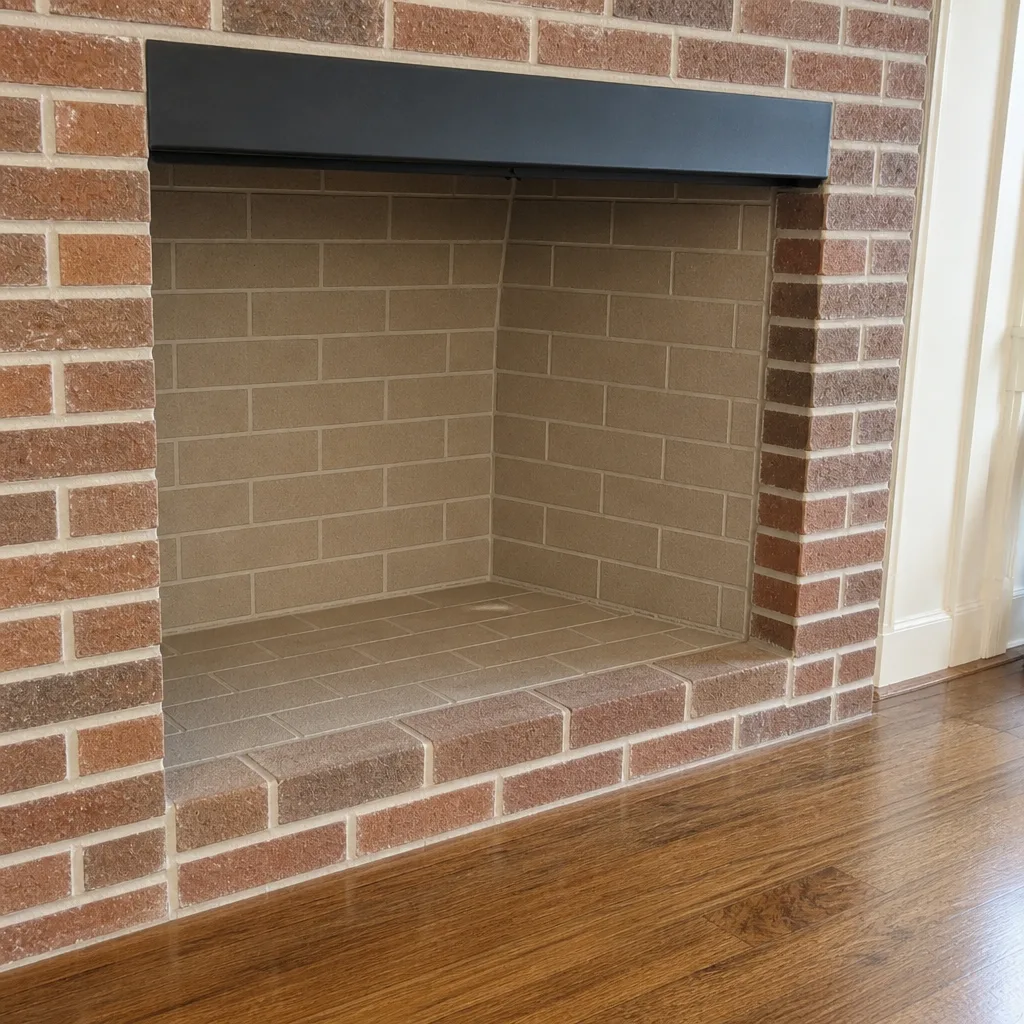
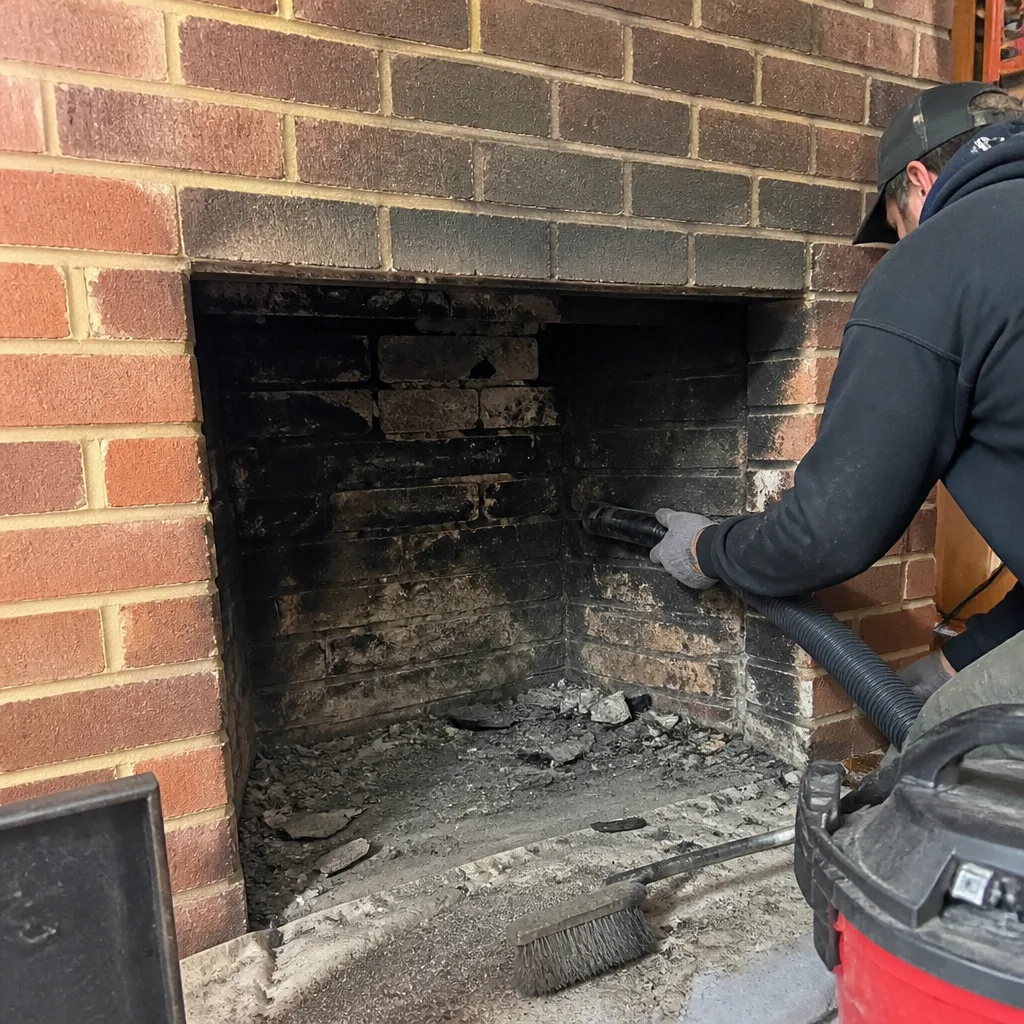
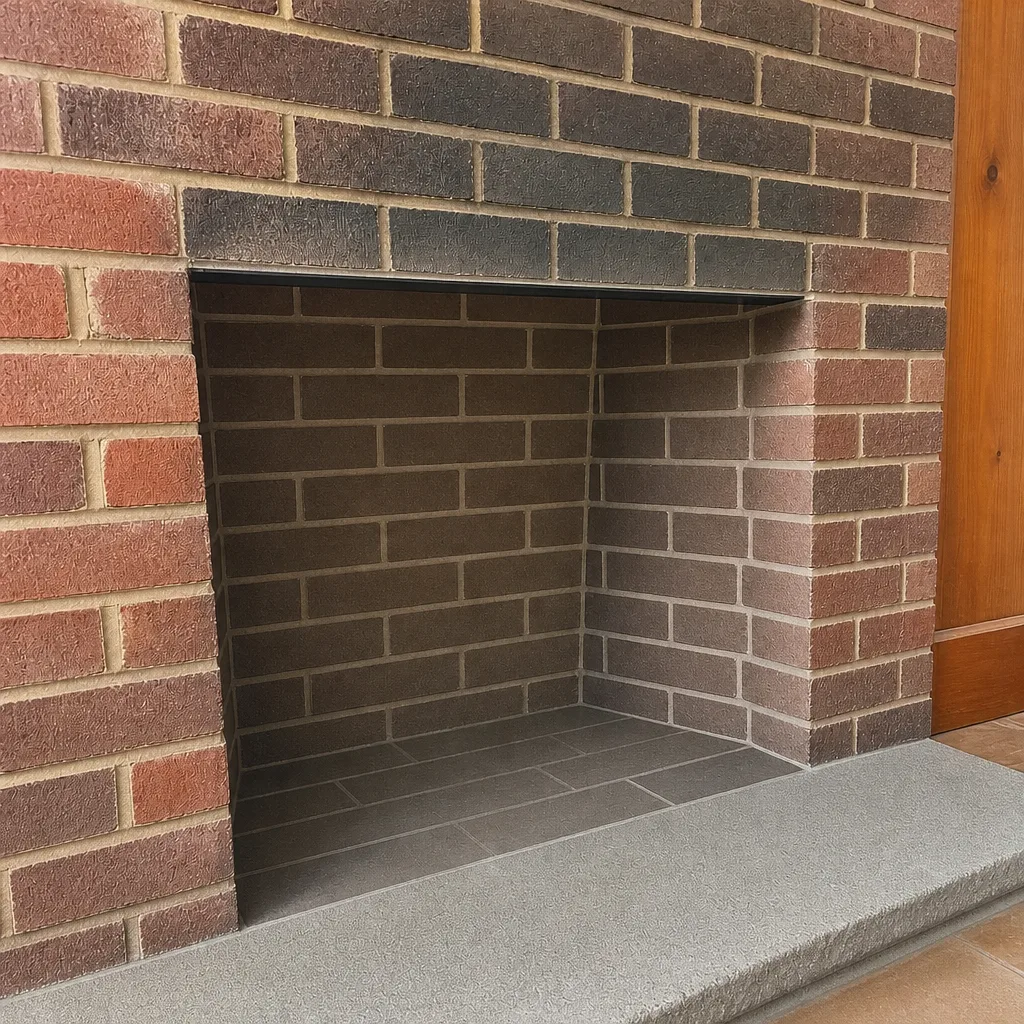
See the difference
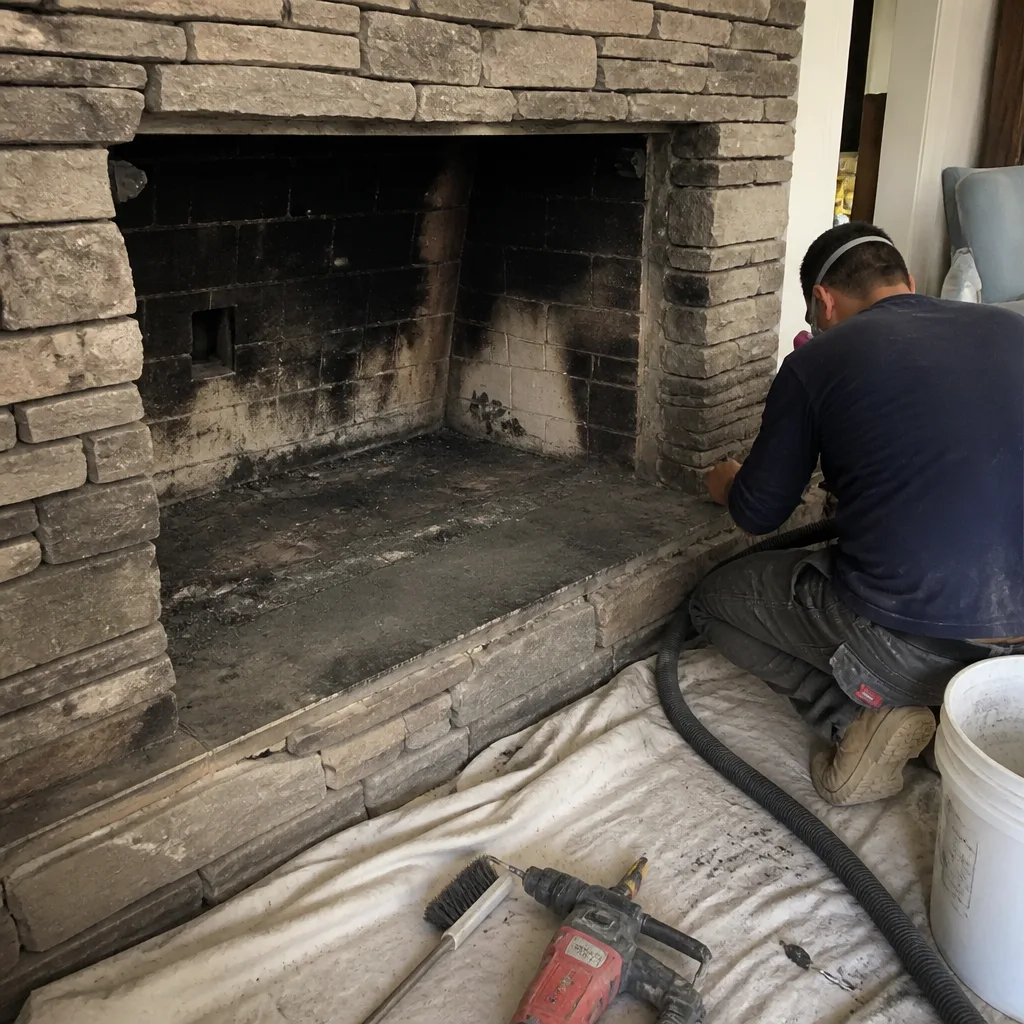 Before
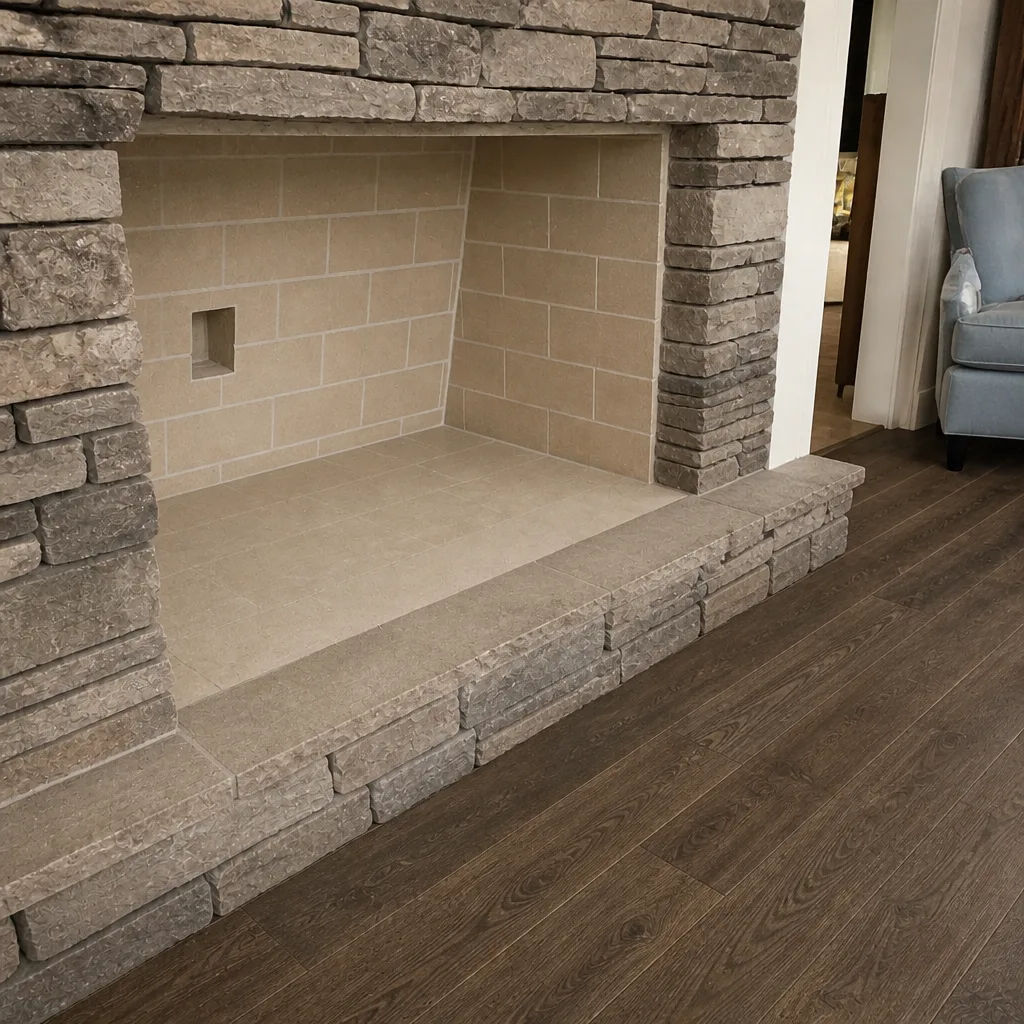 After
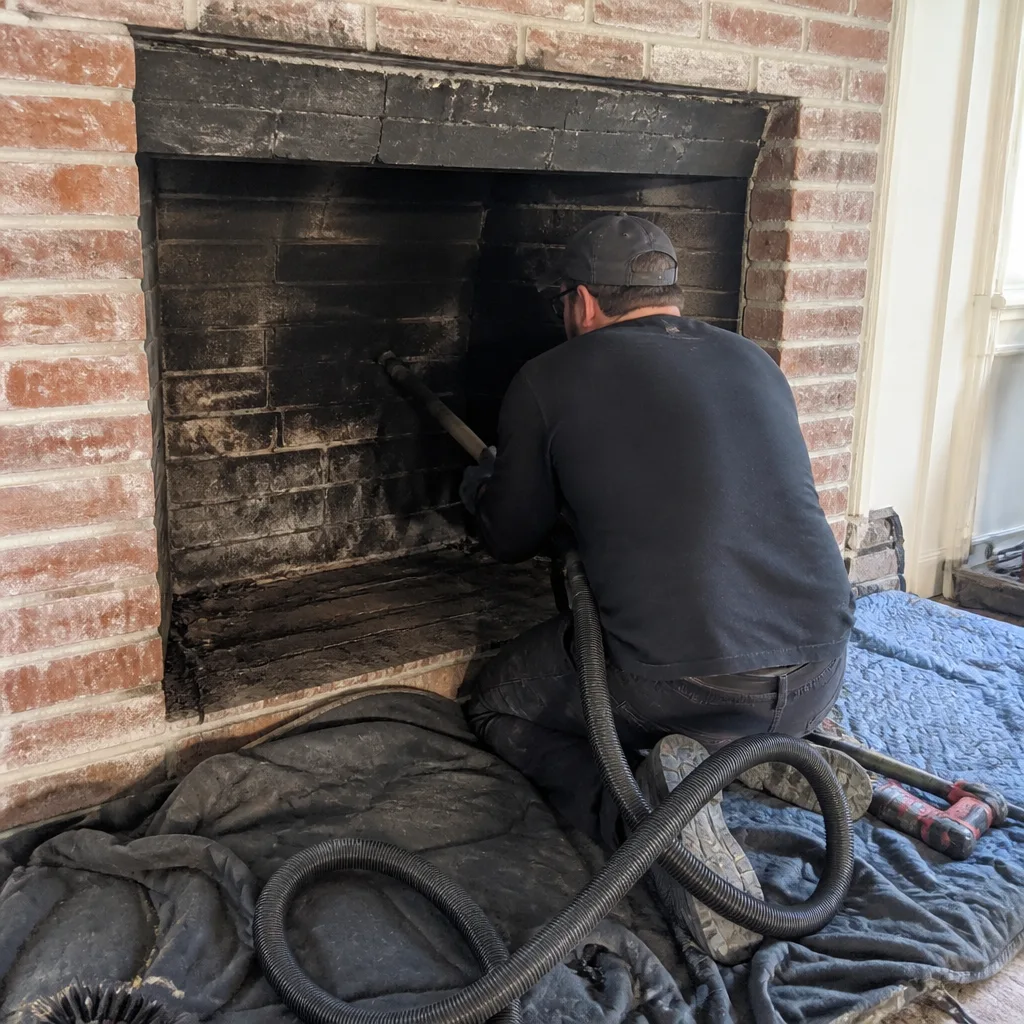 Before
 After
 Before
 After
When to Call a Professional
Call a professional when the chimney has gone a full season without a sweep, when it’s showing smoke coming from anywhere other than the fireplace opening, when the damper won’t seal, or when a home sale is in progress. Also call when you’re seeing water stains on the ceiling near the chimney, or when you’ve noticed creosote deposits you can’t identify. Any of those situations calls for a camera inspection and a documented report. So does the baseline case: a chimney that’s been swept regularly should still get an annual inspection because the structural side wears differently than the flue side. A chimney that’s never been inspected by a specialist is the most common case we see.
Chimney Sweep Green Hills offers free estimates in Green Hills. Our technicians have up to 14 years of experience. We answer 24/7 for calls, with fast dispatch from 7am to 7pm, Sunday through Friday, and we’re closed Saturday. Call (866) 990-4158 to schedule your free estimate.
Frequently Asked Questions
A standard sweep in Green Hills typically costs somewhere in the range of $150 to $350, while a sweep bundled with a Level 2 inspection for a home sale usually runs higher. The written estimate sets the final price, so ask for it in writing before booking. Call (866) 990-4158 for an exact quote; estimates are free.
Annually is the baseline in Green Hills, and given the sustained hardwood burn volumes common here, some households will want a midseason check. The industry’s burn-hour benchmarks assume average use, and Green Hills winters often run well above average. If your household burns most nights through the cold months, an annual sweep with a camera inspection is the minimum. Call (866) 990-4158 to book your annual sweep.
Not always. A liner that’s worn on its surface can often be restored with a ceramic resurfacing method like HeatShield, which extends its life without full replacement. A full DuraFlex liner replacement is warranted when the existing liner is cracked or failing, which the camera inspection will show. Ask to see the footage. If the liner is worn but not failed, restoration is often the right call. Call (866) 990-4158 and ask for a camera inspection so you can see the evidence for yourself.
Creosote keeps building, moving from flaky Stage 1 to hard Stage 2, which increases the risk of a chimney fire and leaves the liner vulnerable. Skip two or three seasons and you can also miss a creeping crack in the crown or a failing flashing that lets water in during Green Hills’ humid summers. The cost of skipping is measured in bigger repairs later, not in the sweep price. Call (866) 990-4158 before the next burn season and we’ll get you on the schedule.
A Level 2 inspection is the right call after a home sale, because it includes camera inspection of the flue and accessible surrounding areas. A Level 1 inspection is too shallow for a real estate transaction, and lenders often expect the deeper level. A Level 3 is only needed if a Level 1 or Level 2 reveals a hidden concern. Call (866) 990-4158 and we can set up a Level 2 for your transaction.
Yes. The sweep and the inspection are bundled into one visit, and the report should separate findings into urgent, advisory, and optional categories so you know what needs attention first. The camera footage is included so you can review it yourself. In Green Hills, we recommend booking the annual visit before burning season so any repair can be scheduled before the first fire. Call (866) 990-4158 for a free estimate.
Chimney Sweep Green Hills is a chimney-only specialist offering five core services: sweeping, inspection, fireplace repair, cap and crown installation, and chimney repair. We install and service DuraFlex, HeatShield, Gelco, Olympia Chimney, Famco, and Copperfield components so the materials are matched to the job. If you’re ready to book a free estimate, call (866) 990-4158. We answer 24/7. Fast dispatch from 7am to 7pm, Sunday through Friday. Closed Saturday.
The Bottom Line
A chimney cleaning in Green Hills is a system inspection with a sweep built in, not a brush on a rod. Green Hills’ combination of heavy hardwood burning and humid summers means creosote and masonry wear can outpace national benchmarks, so annual service is the baseline. Read the post-cleaning report, check the camera footage, and separate urgent findings from advisory and optional ones. A specialist who carries rotary cleaning tools, camera inspection, and professional-grade components like HeatShield and DuraFlex will show you what’s actually going on. The written estimate sets the final price. Book the annual visit before burning season and the chimney will be ready when you are.
Written by the team at Chimney Sweep Green Hills.