
Last updated November 24, 2026
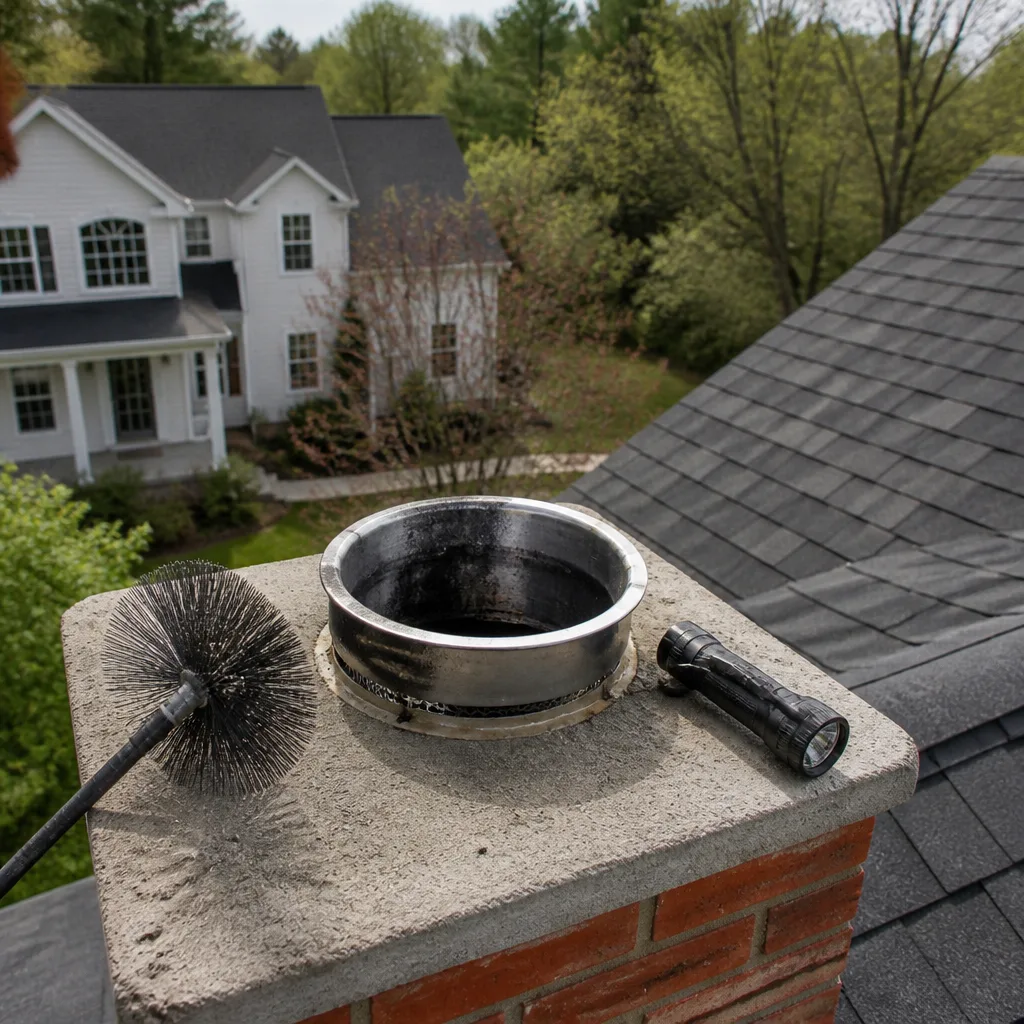 Sweep & inspection
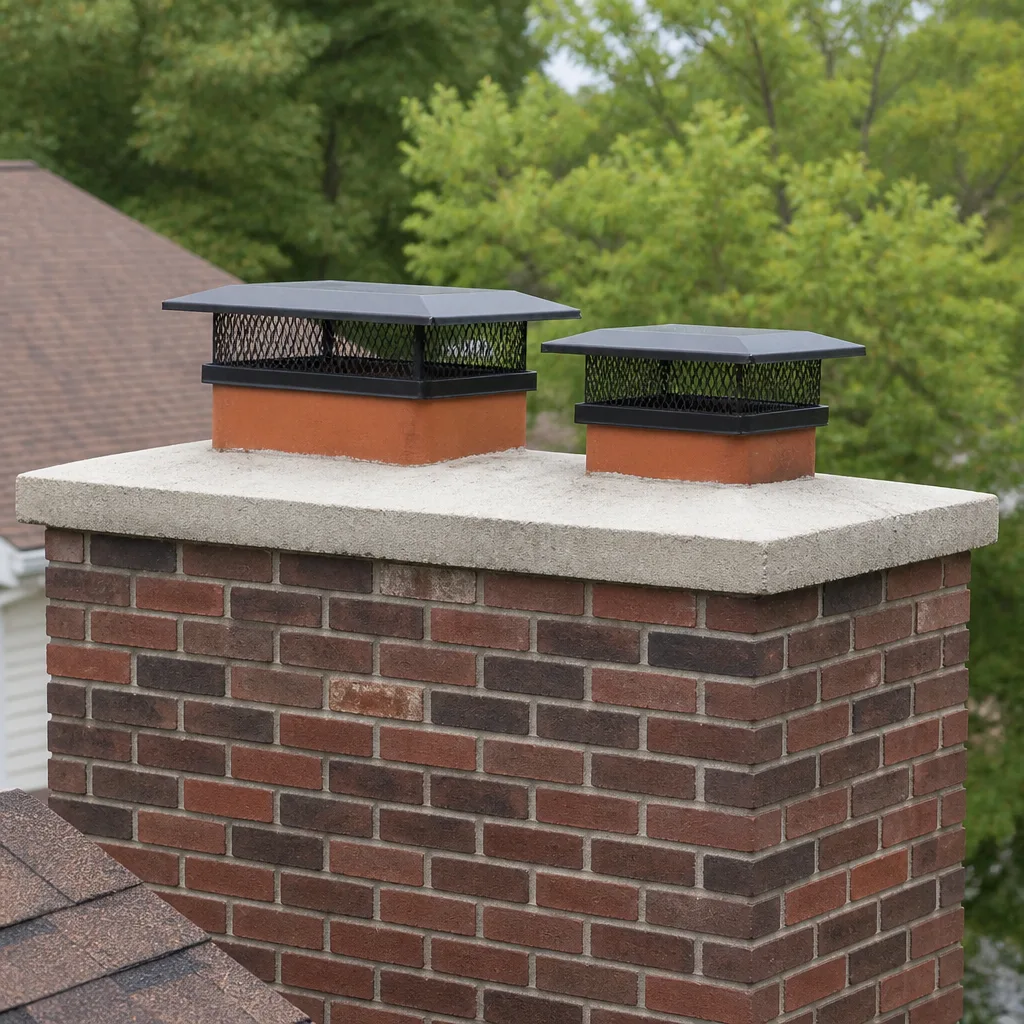 Caps & crowns
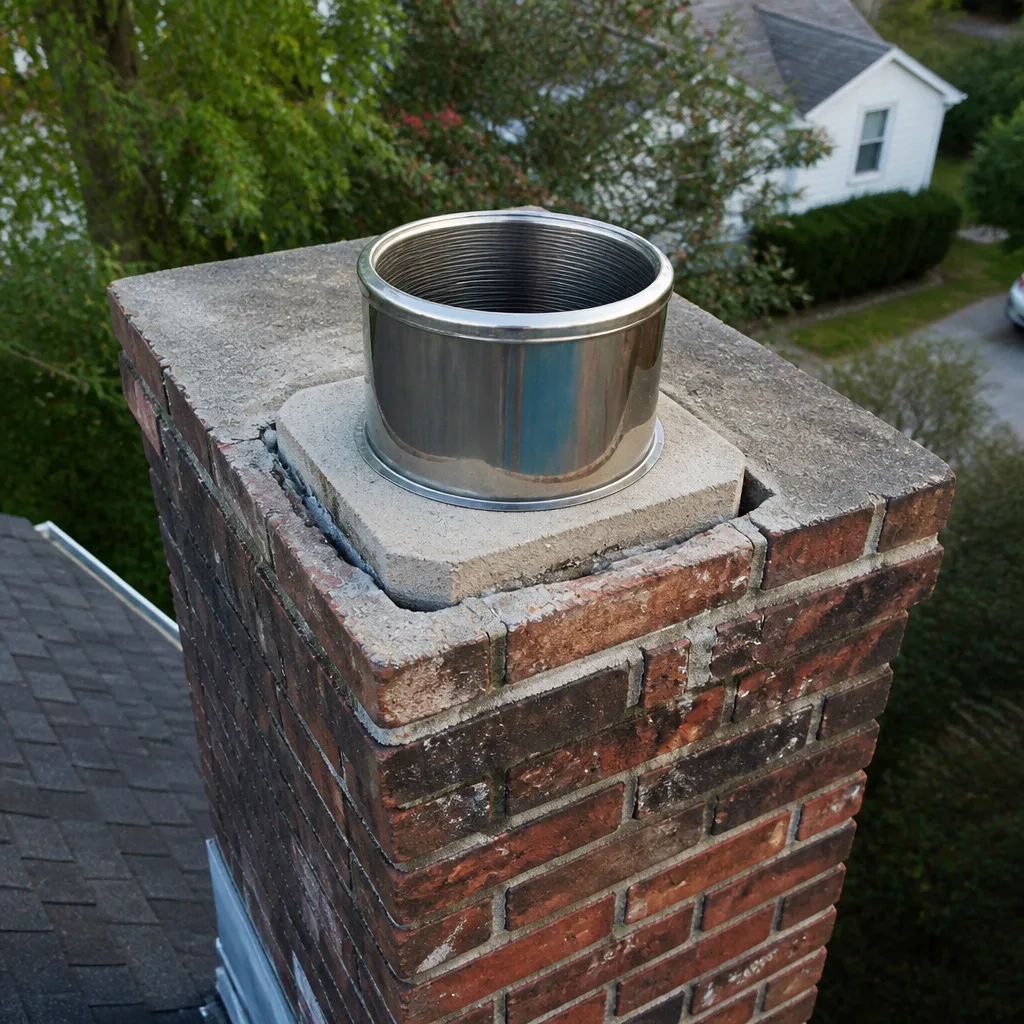 Flue relining
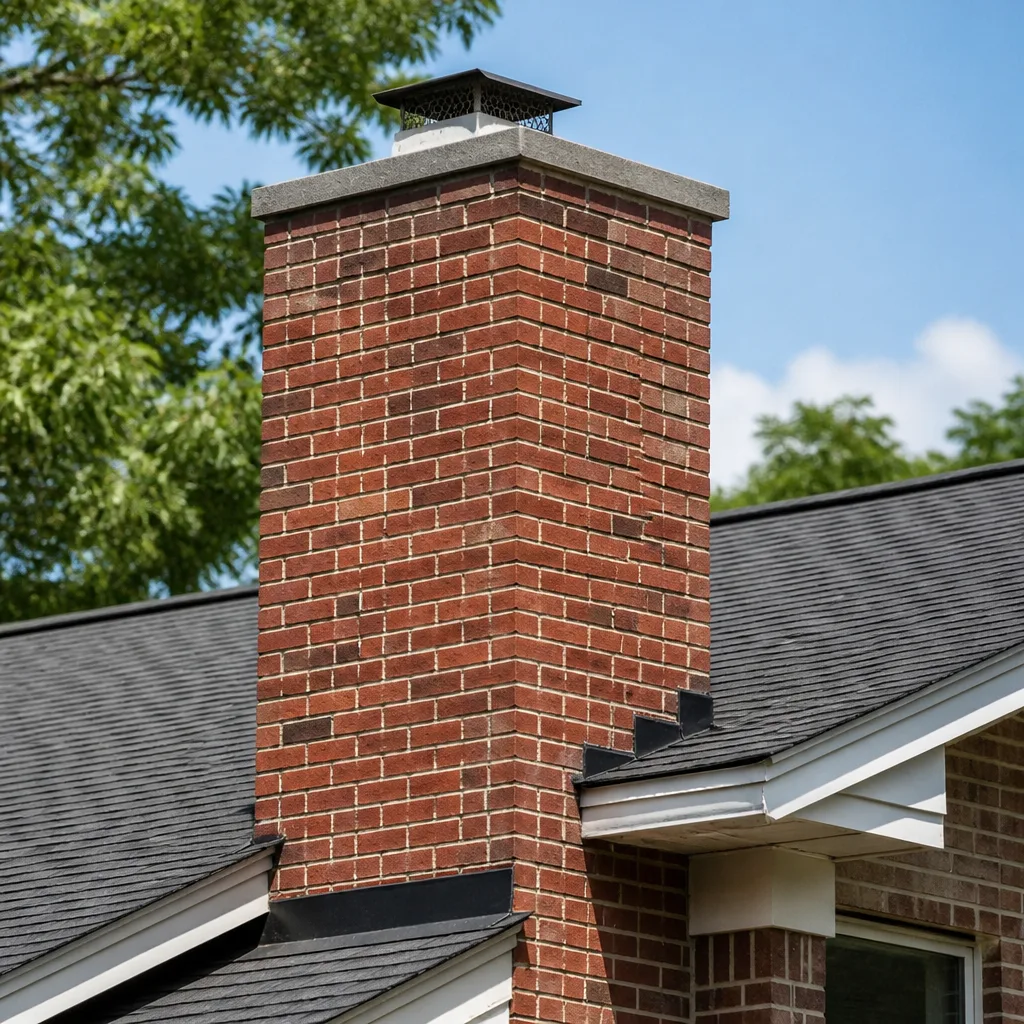 Masonry repair
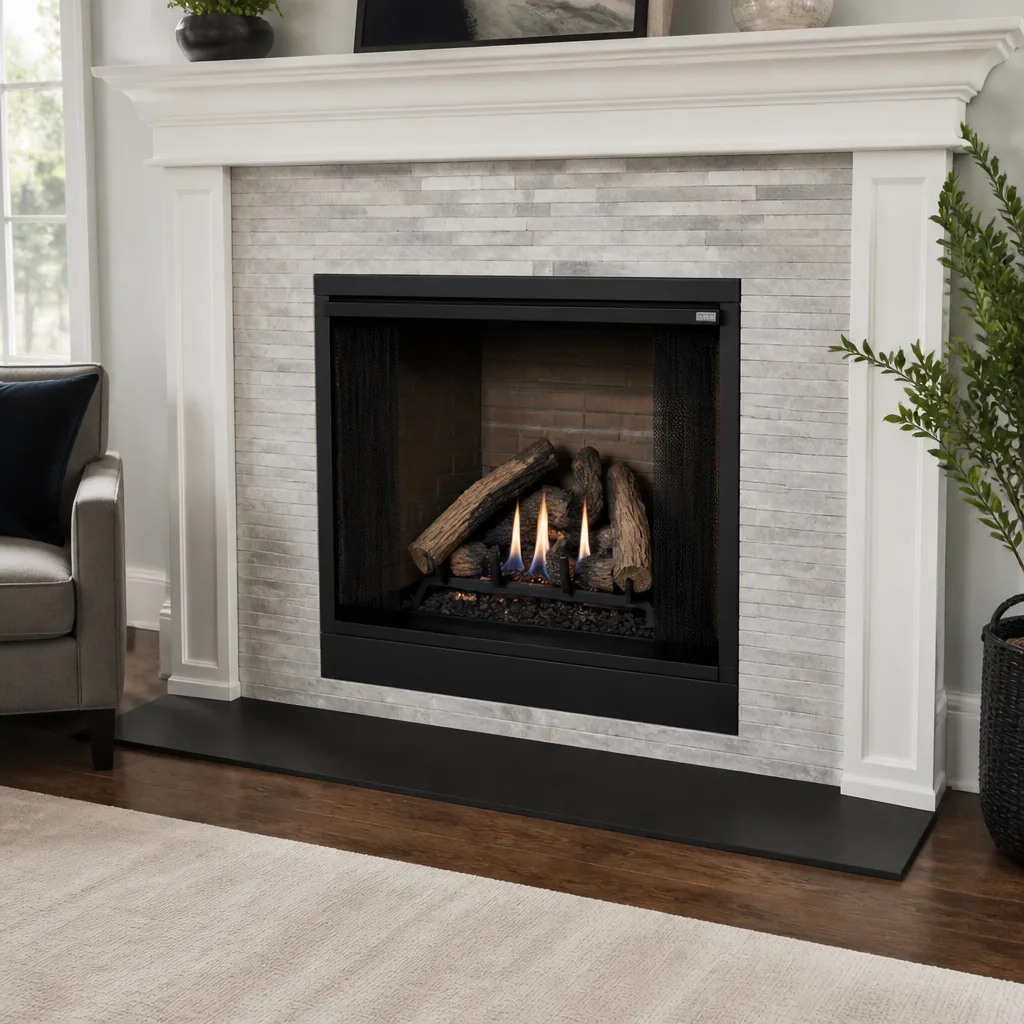 Gas fireplace service
Level 1 sweep and inspection to the NFPA 211 annual standard - flue, crown, cap, and flashing checked and photographed
Chimney sweep logs do not sweep chimneys. They loosen some creosote - which then falls where a brush and vacuum still have to collect it.
Seasonal Chimney Cleaning Care for Green Hills: Year-Round Homeowner’s Guide
The worst time to find out your chimney needs a repair is November, when the temperature in Green Hills has dropped and every sweep in the Nashville area is booked weeks out. The homeowners who never face that scramble do one thing in April that most people skip: they get the chimney looked at while the flue is clean, the light is good, and the burn season is months away. Chimney care here isn’t a single annual event. Green Hills sits in a four-season climate that attacks your chimney differently in every quarter, and a year-round plan keeps small problems from stacking into expensive ones. This guide walks you through what each season asks of your chimney, when to sweep, and what to watch for.
Quick Answer
Seasonal chimney care in Green Hills means matching the work to the calendar: inspect in spring while the flue is clean and visible, sweep and service caps in fall before the first cold snap, watch your fire’s behavior through winter, and guard against humidity damage in summer. Sweeping at least once a year, and more often if you burn heavily, keeps creosote from building and lets a technician catch mortar, cap, and liner problems before they compound. The single best move is booking your inspection in April, not October.
Styles & brands we work with
- Sweep & inspection
- Caps & crowns
- Flue relining
- Masonry repair
- Gas fireplace service
Table of Contents
- Why Green Hills Chimneys Age Differently Across the Year
- Spring: The Inspection Window You Shouldn’t Skip
- Summer: How Humidity Works Against Your Chimney
- Fall: Sweep Timing and First-Fire Readiness
- Winter: What to Monitor During Burn Season
- How Green Hills’ Trees Change Your Cleaning Schedule
- Building a Year-Round Chimney Calendar
- Common Mistakes to Avoid
Why Green Hills Chimneys Age Differently Across the Year
Most homeowners think of a chimney as a static thing that either works or doesn’t. In reality it’s a system under constant load from weather, fire, and moisture, and that load shifts with the seasons. Middle Tennessee’s humidity, its freeze-thaw swings, and its heavy tree canopy each hit the chimney at a different point in the year. Understanding the sequence is what turns chimney care from a chore into a plan.
Here’s the core idea: the damage that shows up in winter usually started months earlier. A cap that lost a seam in spring lets rain into the flue all summer. That moisture softens the mortar joints in a clay tile liner through the wet months. By the time you light a fire in fall, the liner is already weaker than it was last year, and the heat and creosote of the burn season finish the job. The chimney didn’t fail in one season. It failed across four.
This is why we think of Green Hills chimney care as a calendar rather than a checklist. Each season has a job, and skipping one hands the next season a bigger problem. The rest of this guide walks through each quarter, what it stresses, and what you can do about it.
Spring: The Inspection Window You Shouldn’t Skip
Spring is the best time of year to inspect a chimney in Green Hills, and it’s the season most homeowners overlook. Once the last fire is out, the flue is as clean as it will be all year and daylight reaches parts of the interior that are hidden the rest of the time. A technician looking in April sees things that are genuinely invisible in October.
Think about what the firebox and flue look like at the end of a burn season versus the start. After months of use, the surfaces are coated in soot and creosote, and the light inside the flue is dim. By spring, a professional sweep has cleared that coating, and the camera inspection runs through a flue that shows its true surface. Hairline cracks in clay tile, spalling mortar joints, a shifted flue tile, or the early signs of a failed crown all read far more clearly on a clean, dry flue.
Spring also gives you something winter doesn’t: time. If the inspection turns up a cap that needs replacing, a crown that needs work, or a liner that needs attention, you can schedule the chimney cap & crown repair on your terms instead of waiting for a booked schedule in November. A finding in April is an errand. The same finding in November is a crisis.
What a spring inspection typically covers:
- A sweep of the flue to clear soot and creosote so the interior is visible.
- A camera inspection of the flue liner to look for cracks, gaps, and offset tiles.
- A look at the firebox and damper for wear and proper operation.
- An exterior check of the cap, crown, and flashing.
- A written report with photos so you can see what the technician saw.
That last point matters. You shouldn’t have to take anyone’s word for what’s wrong inside your chimney. A proper inspection documents what’s there, and you get the pictures.
Summer: How Humidity Works Against Your Chimney
Summer is the quiet season for fires, and the damaging season for masonry. Middle Tennessee’s warm, humid air holds a lot of moisture, and a chimney without a working cap is a funnel for it. Rainwater and humid air move down through the flue, and the clay tile liner absorbs some of that moisture the way a sponge does. Then it holds it.
What that moisture does to clay tile over a few summers is subtle and cumulative. The tile absorbs water, expands slightly, then dries and contracts as the weather changes. Over time those cycles open hairline cracks. The mortar joints between tiles, already the weak point, soften and spall. By the time a homeowner notices a problem, the liner may already be compromised, which is exactly the kind of slow failure a cap prevents in the first place.
Two components do most of the work here, and both are worth knowing by name. A chimney cap keeps rain, animals, and debris out of the flue. A crown, the concrete top of the chimney, sheds water away from the masonry below it. When either one fails, moisture gets in. Caps and crowns from brands like Gelco and Famco are designed to hold up under exactly this kind of seasonal moisture load, which is why we install and service those lines rather than whatever a hardware store happens to stock.
Summer tasks that actually matter:
- Check that the cap is intact and seated correctly after a season of storms.
- Look for staining or efflorescence (white mineral deposits) on the exterior masonry, a sign moisture is moving through the brick.
- Confirm the crown sheds water and hasn’t cracked or pulled away from the flue.
- Keep an eye on the flashing where the chimney meets the roof.
None of this requires you to climb up and inspect the flue yourself. The exterior checks are something a technician can fold into a visit. If you haven’t had the cap looked at since last fall, summer is a good time to catch a failed one before it has all winter to let water in.
Fall: Sweep Timing and First-Fire Readiness
If spring is the inspection window, fall is the service window. This is when creosote from last season gets swept, when the cap and crown get a final once-over before the weather turns, and when you make sure the fireplace is actually ready for its first fire. The timing question, though, is where a lot of Green Hills homeowners get it wrong.
“Before the first cold snap” sounds sensible, but it’s too late. By the time the first genuinely cold night arrives, everyone in the Nashville area who owns a fireplace is thinking about the same thing, and the schedules fill up. Booking a chimney sweep before October 1st buys you something specific: it gets the sweep done while the calendar is open, so that a first-fire problem found in September can still be repaired before you actually need the fireplace. A sweep booked in mid-October often can’t offer that same breathing room.
Creosote is the reason the sweep timing matters at all. When wood burns, the smoke carries unburned compounds up the flue, and they condense on the cooler surfaces inside. That residue is creosote, and it accumulates every time you burn. The type matters: drier, hotter fires produce a flakier creosote that sweeps off cleanly, while cooler, smoldering fires produce a stickier, glazed creosote that clings harder and is harder to remove. A fall sweep clears what last season left behind so this season starts from a clean flue.
A good fall checklist looks like this:
- Book the sweep before October 1st, not after the first cold night.
- Have the flue swept and the creosote cleared.
- Confirm the cap is secure and the crown is sound.
- Test the damper so you know it opens and closes smoothly.
- Check the firebox for cracks or loose mortar before the first fire.
Do this in September and you spend October enjoying the fireplace. Do it in November and you spend October hoping nothing’s wrong.
Winter: What to Monitor During Burn Season
During the burn season, your job isn’t to inspect the chimney. It’s to notice. You can’t see inside the flue without the right tools and training, and you shouldn’t try. But your fireplace gives you signals all winter, and paying attention to three of them tells you when to call.
Odor intensity. A faint smoky smell when the fireplace is cold is normal. A strong, sharp, or persistent creosote smell, especially one that gets worse through the season, is a signal that buildup is heavy. If the smell lingers long after the fire is out, that’s worth a call.
Smoke rollout. A properly drafting chimney pulls smoke up and out. If smoke rolls out into the room when you open the door or light a fire, the draft is compromised, and that can come from a blocked flue, a damaged liner, or a cap that’s clogged. Smoke in the room is never something to ignore.
Damper feel. The damper should open and close smoothly. If it sticks, feels loose, or won’t stay where you set it, the mechanism is wearing out and should be looked at before it fails mid-season.
These signals matter because they’re your early warning system. None of them means you should open the flue and investigate yourself. The flue is a confined space with sharp edges, and anything up there is better left to someone with the right tools. What you’re doing is noticing, and then calling. That’s the safe division of labor.
If you notice any of these and you need someone out, the fireplace repair side of the work is where a technician will trace smoke rollout and damper problems back to their source.
How Green Hills’ Trees Change Your Cleaning Schedule
Green Hills is heavily wooded, with white oak and hickory among the dominant trees, and that has two effects on your chimney that most generic sweeping advice ignores entirely. The first is the debris load on your cap. The second is the type of creosote you’re likely to produce.
Start with debris. White oak and hickory drop leaves, acorns, and small twigs through the fall, and the canopy above a chimney channels that material straight down. A cap with a mesh screen catches most of it, but screens clog. When a screen clogs, the flue can’t vent, and you get smoke rollout and poor draft, often right at the start of the season. In a heavily wooded neighborhood, that means checking the cap screen is part of fall readiness, not an afterthought. If you burn oak or hickory that hasn’t fully seasoned, the higher moisture content means cooler, smoldering fires and a stickier, harder-to-remove creosote. Green Hills homeowners who burn the local hardwoods, and many do, should lean toward seasoning their wood longer and having the flue swept on the earlier side of the calendar.
What that means for frequency:
- If you burn regularly and you’re surrounded by white oak and hickory, plan on an annual sweep and consider a mid-season check if you burn heavily.
- If you’re on a tree-lined street where acorns and leaves pile up, check the cap screen each fall.
- If your wood is less than fully seasoned, expect stickier creosote and sweep before the buildup gets heavy.
The general rule is one sweep a year, more often if you burn a lot. In Green Hills, the tree cover is a real variable in that calculation, and it’s worth telling your sweep what you burn and how much.
Building a Year-Round Chimney Calendar
Here’s the whole year on one page. This is the plan we’d hand a Green Hills homeowner who wants their chimney to last and wants to know it’s safe season after season.
- April. Book the post-season inspection. The flue is clean, the light is good, and you have months to act on anything found. Get the written report and photos.
- May through August. Watch the exterior. Confirm the cap is intact, the crown is shedding water, and there’s no staining on the masonry. If the inspection flagged cap or crown work, get it done now while the weather is dry.
- September. Book the pre-season sweep. Aim to have it done before October 1st so any first-fire problem can still be fixed in time.
- October. Do the first-fire readiness checks: damper operation, firebox condition, cap and screen clear.
- November through February. Burn season. Watch for odor intensity, smoke rollout, and damper feel. Notice, don’t investigate.
- March. Last fires of the season, then book the April inspection.
Notice the shape of it. Two bookable events anchor the year (the spring inspection and the fall sweep), and the rest is watching. That’s the whole system, and it’s the difference between a chimney that gets looked at when something’s wrong and one that gets looked at before something goes wrong.
Because we’re a chimney-only specialist, we handle the entire lifecycle in one call: the sweep, the inspection, the cap and crown, liner work, and structural fireplace repair. You’re not coordinating a sweep from one company and a masonry repair from another. When the Chimney Sweep Green Hills team finds something, the same visit can often address it or schedule it, and our technicians have up to 14 years of experience with the materials that matter, including the HeatShield ceramic resurfacing system and DuraFlex flexible liners for older or offset flues. Not every local company carries those methods. It’s one of the reasons we can restore a liner that’s still sound instead of defaulting to a full replacement.
Common Mistakes to Avoid
- Waiting for the first cold snap to book a sweep. That’s the moment everyone else books too, and the schedule fills. In Green Hills, aim to be swept before October 1st.
- Skipping the spring inspection because “nothing’s wrong.” The whole point of spring is to catch problems while they’re small. A chimney that seems fine in October often has a finding that was visible in April.
- Ignoring the cap because the chimney “still works.” A failed cap lets moisture in all summer, and that moisture is what cracks clay tile over time. The cap is the cheapest defense you have.
- Burning unseasoned oak and hickory. The local hardwoods are great fuel when they’re dry, but wet wood burns cool and produces stickier creosote that’s harder to sweep. Season it longer than you think you need to.
- Treating smoke rollout as normal. Smoke in the room means the draft is compromised. It’s a signal to call, not a quirk to live with.
- Hiring a generalist for a chimney problem. A handyman who adds chimney work as a side service won’t have the equipment or the material lines for liner and crown work. A chimney specialist will.
- Opening the flue to “take a look” yourself. The flue is a confined space with sharp edges and years of buildup. Notice the signals, then let a trained technician do the inspecting.
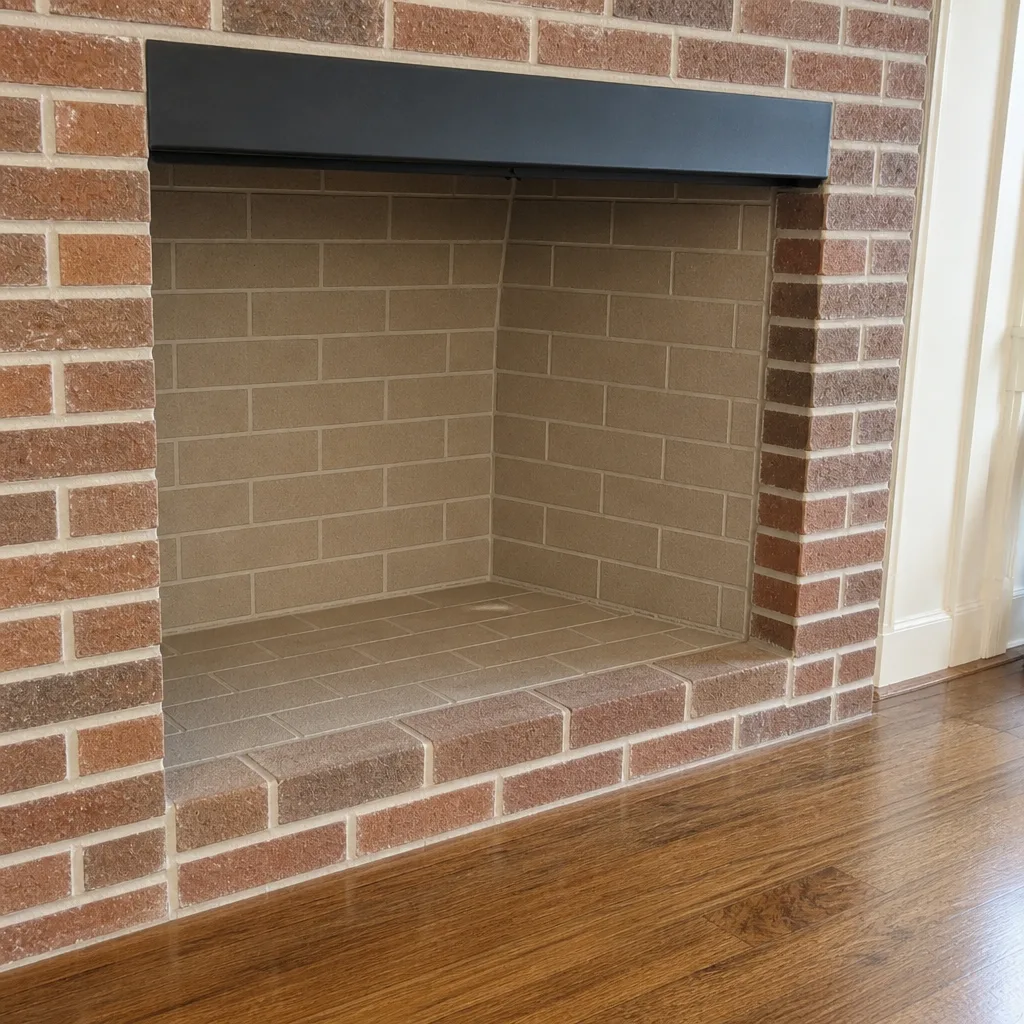
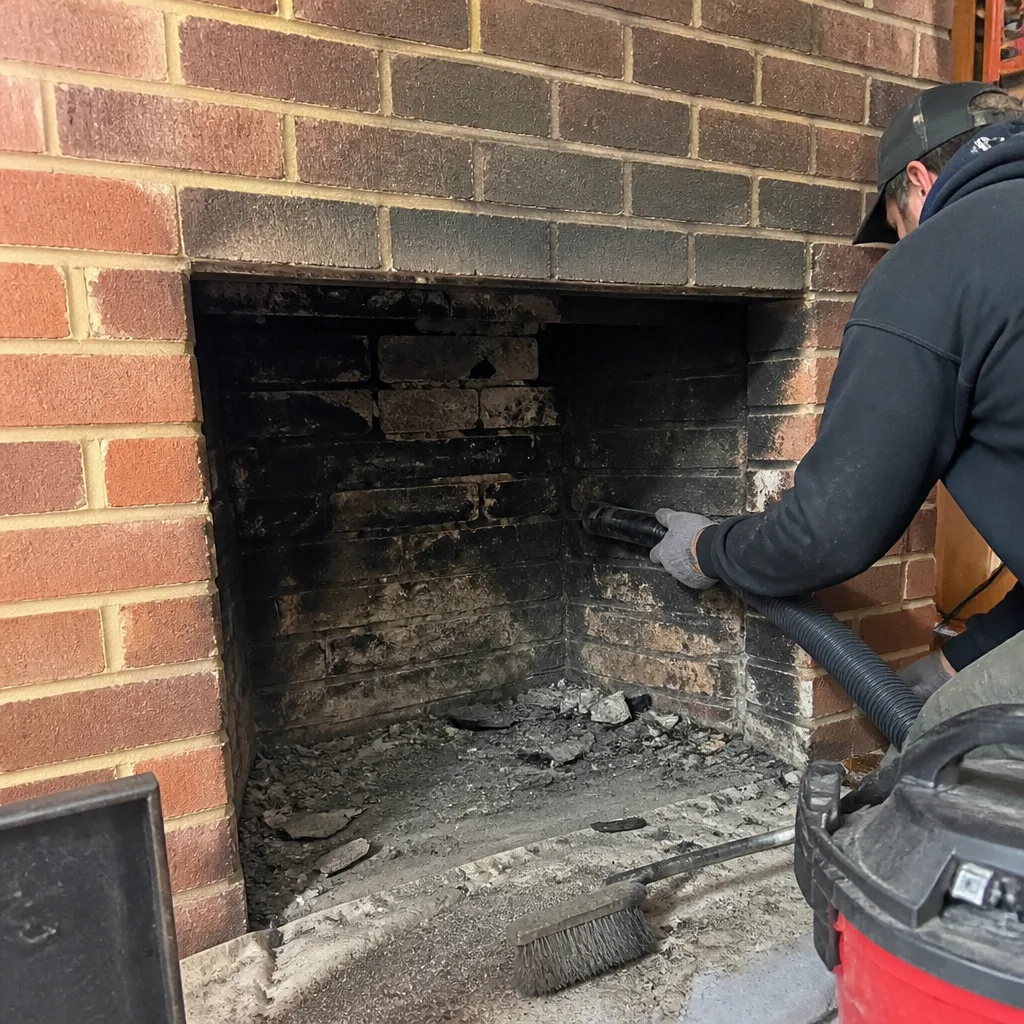
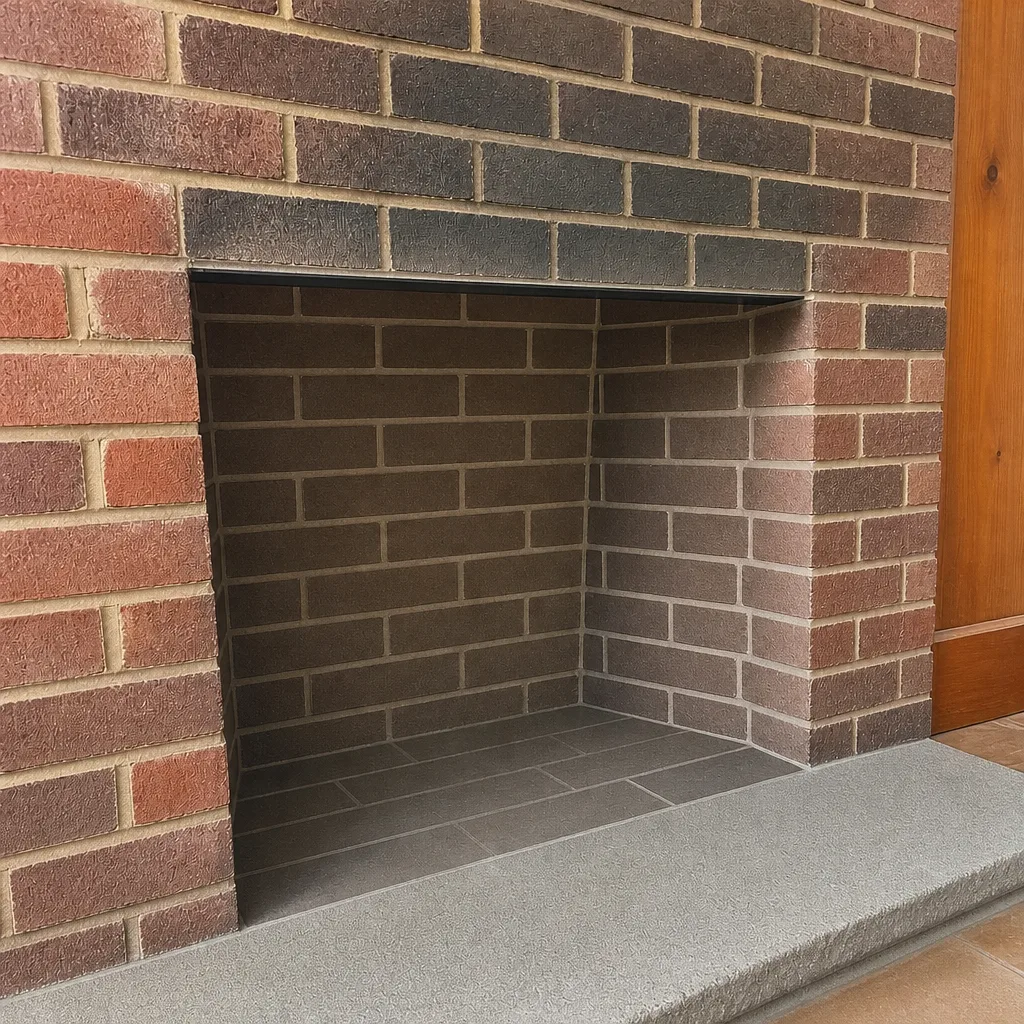
See the difference
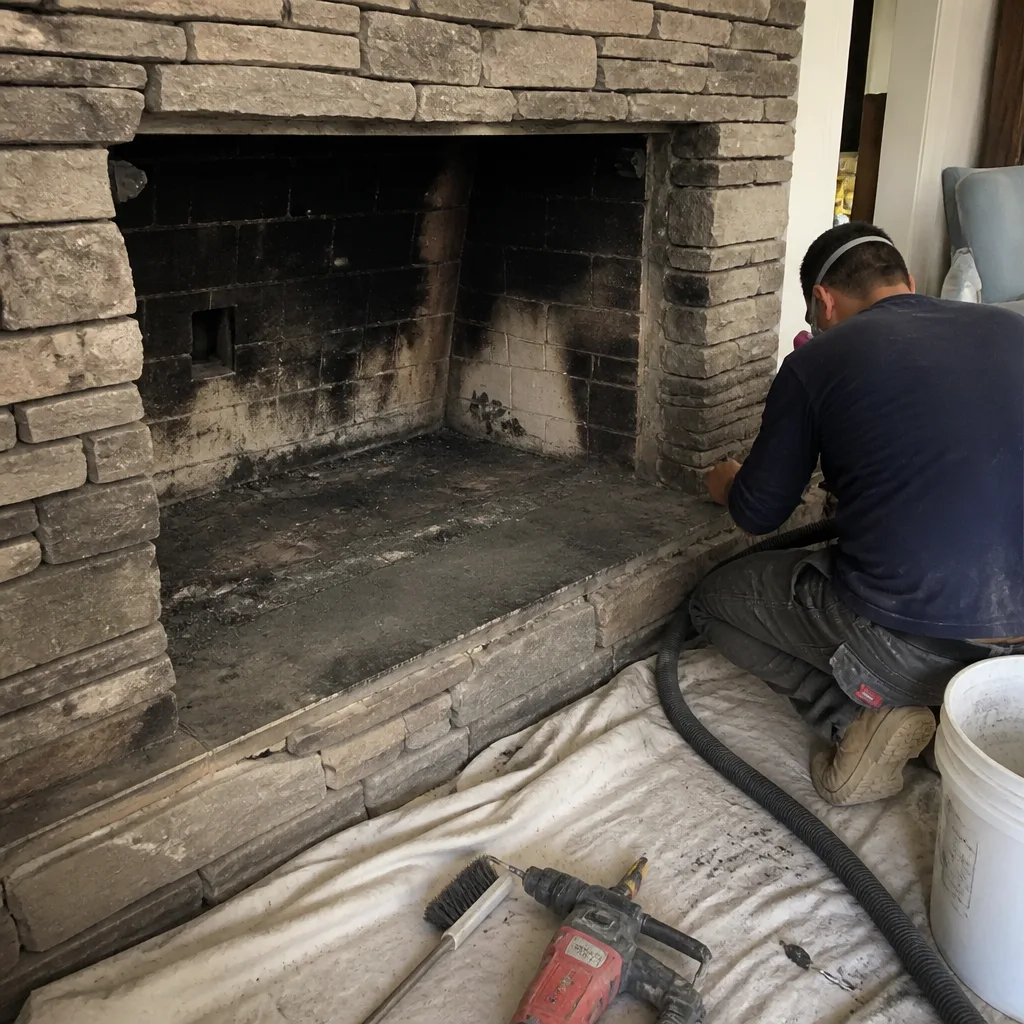 Before
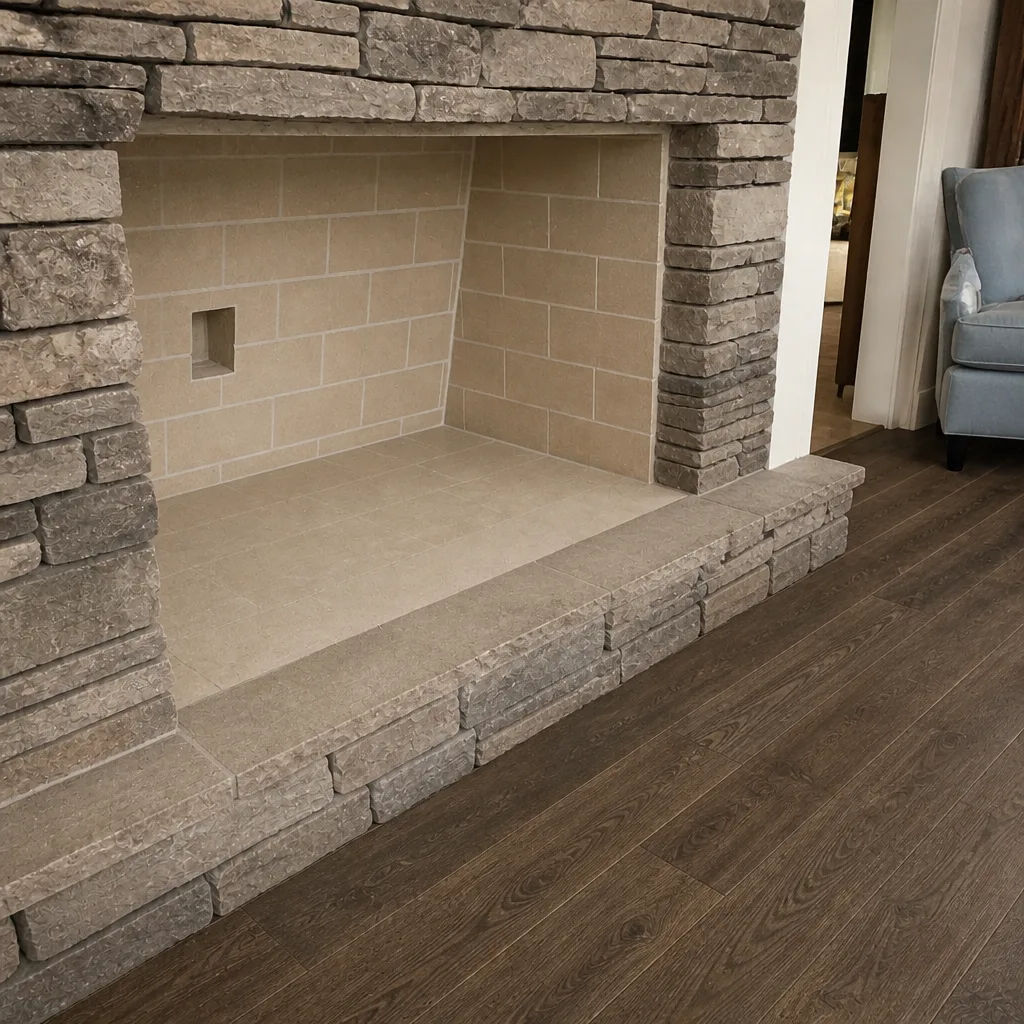 After
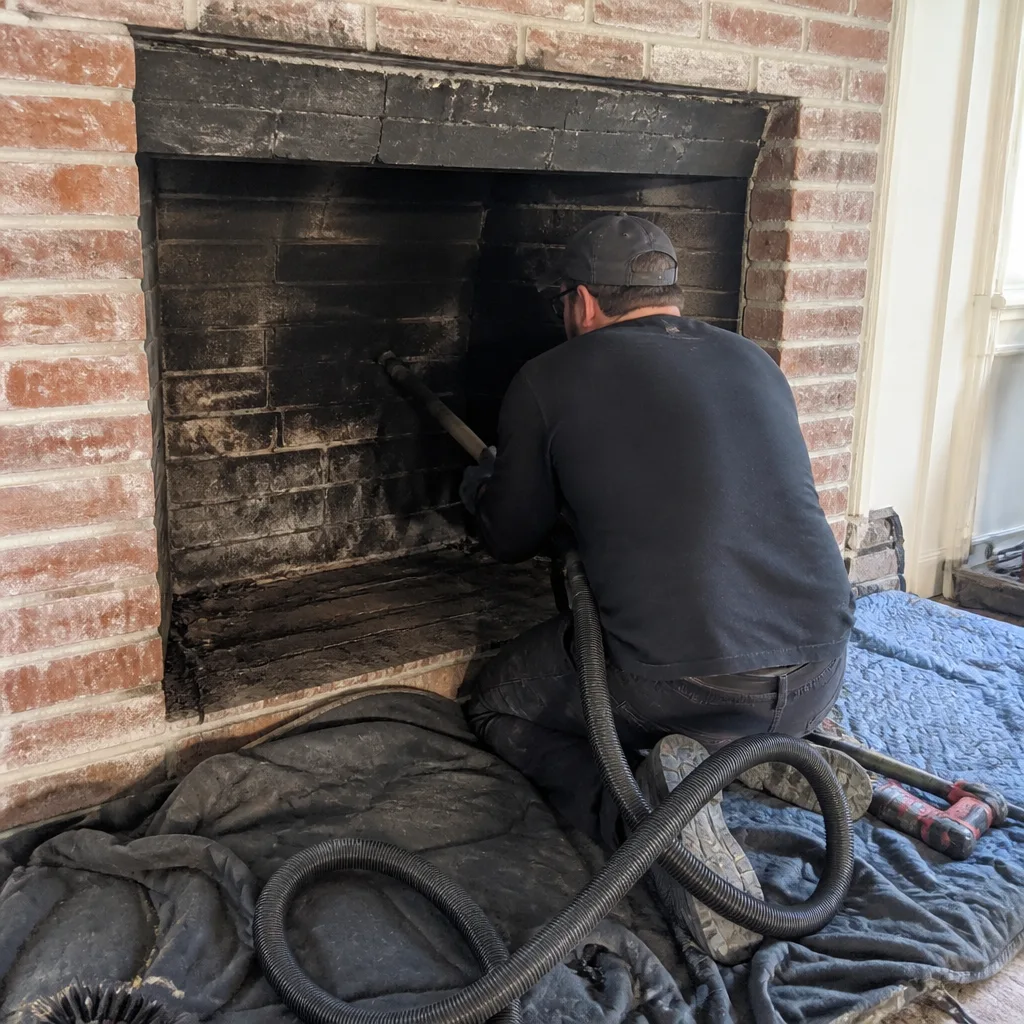 Before
 After
 Before
 After
When to Call a Professional
Some things you can watch. Some things you should call about. Call a professional if you notice smoke rolling into the room when you light a fire, a creosote smell that gets stronger through the season, a damper that sticks or won’t hold its position, visible cracks or loose mortar in the firebox, staining on the exterior masonry, or a cap that’s damaged or missing. Call before the first fire if it’s been more than a year since your last sweep, and call in spring if you’ve never had a documented inspection with photos. If you’re buying or selling a home in Green Hills, a pre-sale or post-purchase inspection gives you a credible record of the chimney’s condition, which is exactly what a buyer or seller needs. Chimney Sweep Green Hills offers free estimates in Green Hills. Call (866) 990-4158.
Frequently Asked Questions
At least once a year, and more often if you burn heavily or burn a lot of local oak and hickory that isn’t fully seasoned. The one-sweep-a-year rule is the floor, not the ceiling. In a wooded neighborhood like Green Hills, the tree cover and the creosote type both push toward the earlier side of the schedule. Call (866) 990-4158 for an exact quote, and estimates are free.
April, right after the burn season ends. The flue is as clean as it will get, the light reaches surfaces that are hidden in winter, and a technician can see cracks, spalling, and cap or crown issues clearly. Spring also gives you time to schedule any repair on your terms instead of scrambling in November. Call (866) 990-4158 to book a spring inspection.
Creosote keeps building with every fire, and the flue gets harder to inspect and harder to sweep cleanly. A blocked or heavily loaded flue also drafts poorly, which pushes smoke into the room. Skipping a year doesn’t always cause a problem immediately, but small issues you would have caught in spring have a full extra season to get worse. Call (866) 990-4158 for an honest assessment before the next burn season.
Yes, if you want to protect the liner. A cap keeps rain, humid air, animals, and the acorns and leaves that fall heavily in Green Hills out of the flue. Without one, moisture moves into the clay tile all summer and slowly cracks it. A cap is one of the simplest protections you can add, and we install Gelco and Famco caps built for exactly this climate. Call (866) 990-4158 to have yours checked.
Middle Tennessee’s humid summers push moisture into any chimney that isn’t properly capped, and clay tile liners absorb and hold that moisture. Over several seasons, the repeated wetting and drying opens hairline cracks and softens the mortar joints between tiles. The fix is prevention: a working cap and a sound crown. Call (866) 990-4158 to have both checked before next summer.
That depends on what the camera inspection shows. A liner with localized cracking can sometimes be restored with HeatShield ceramic resurfacing, while a liner that’s failed structurally may need a DuraFlex liner. You shouldn’t have to take anyone’s word for which it is. The inspection comes with photos so you can see the condition of the flue yourself, and we’ll tell you plainly if a repair can safely wait. Call (866) 990-4158 for a free estimate.
The Bottom Line
Chimney care in Green Hills is a four-season job, not a once-a-year errand. Inspect in spring while the flue is clean and visible. Guard against summer humidity with a sound cap and crown. Sweep before October 1st so the first cold snap doesn’t catch you unprepared. Watch your fire’s behavior through winter without opening the flue yourself. And account for the white oak and hickory that shape both your debris load and your creosote. The annual sweep is the floor; a year-round plan is what keeps small problems from becoming expensive ones. We’re a full-service chimney specialist, so the sweep, the inspection, the cap and crown, liner repair, and structural restoration all come from one accountable source.
Call (866) 990-4158 for a free estimate. We answer 24/7. Fast dispatch from 7am to 7pm, Sunday through Friday, closed Saturday.
Written by the team at Chimney Sweep Green Hills.