
Last updated November 24, 2026
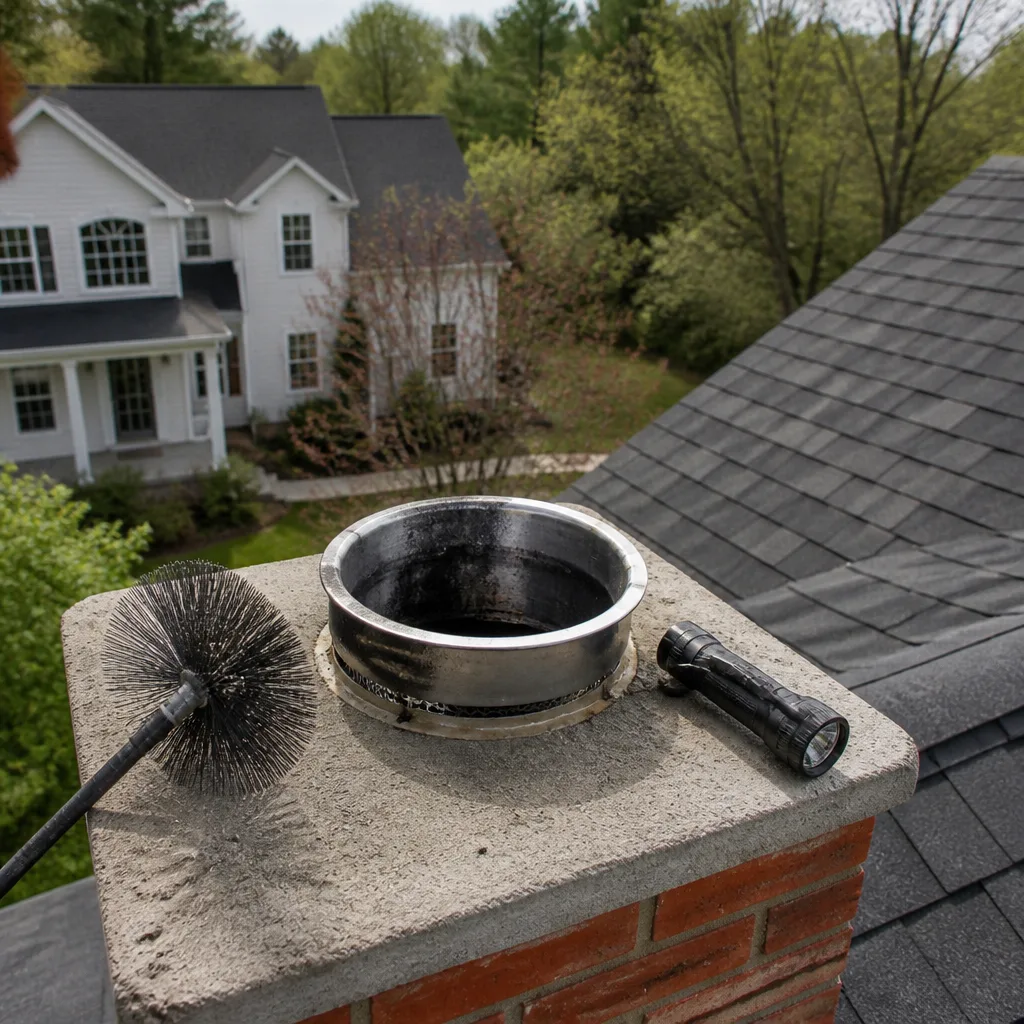 Sweep & inspection
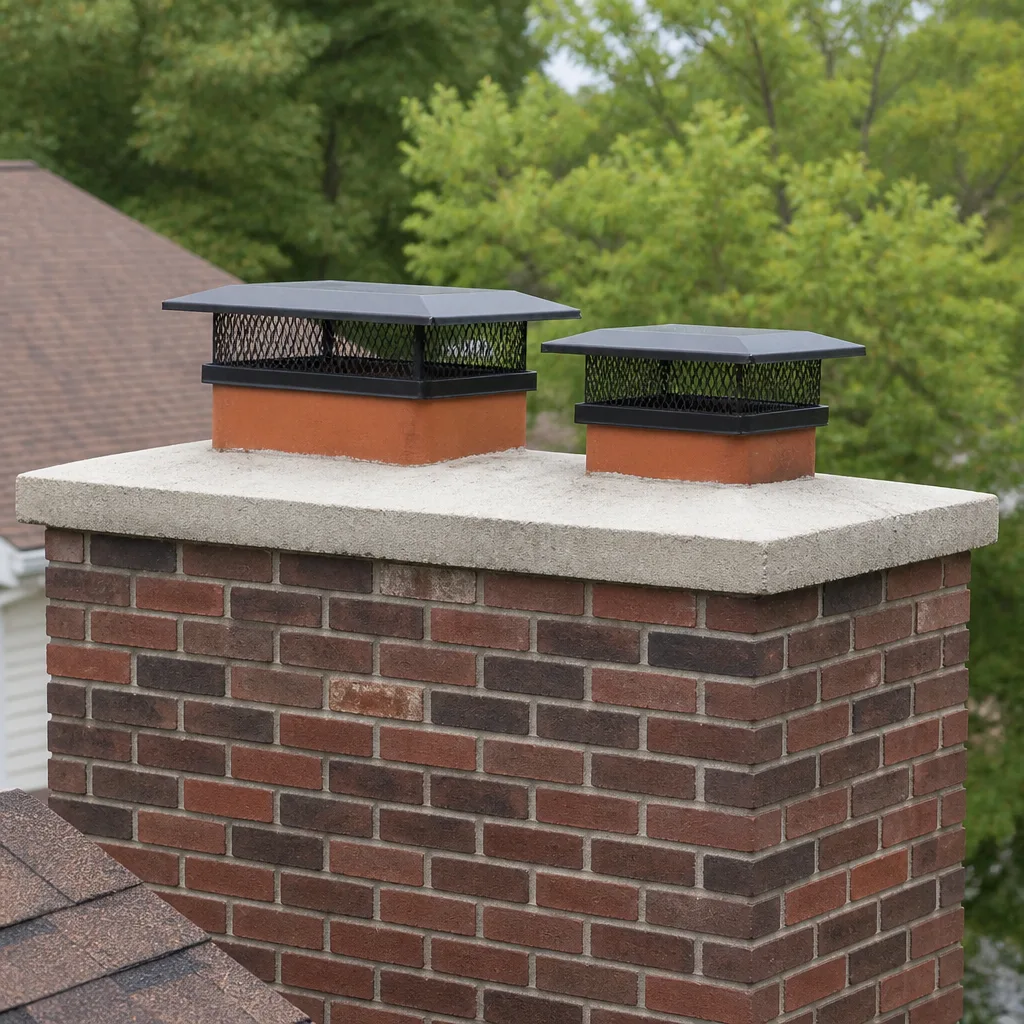 Caps & crowns
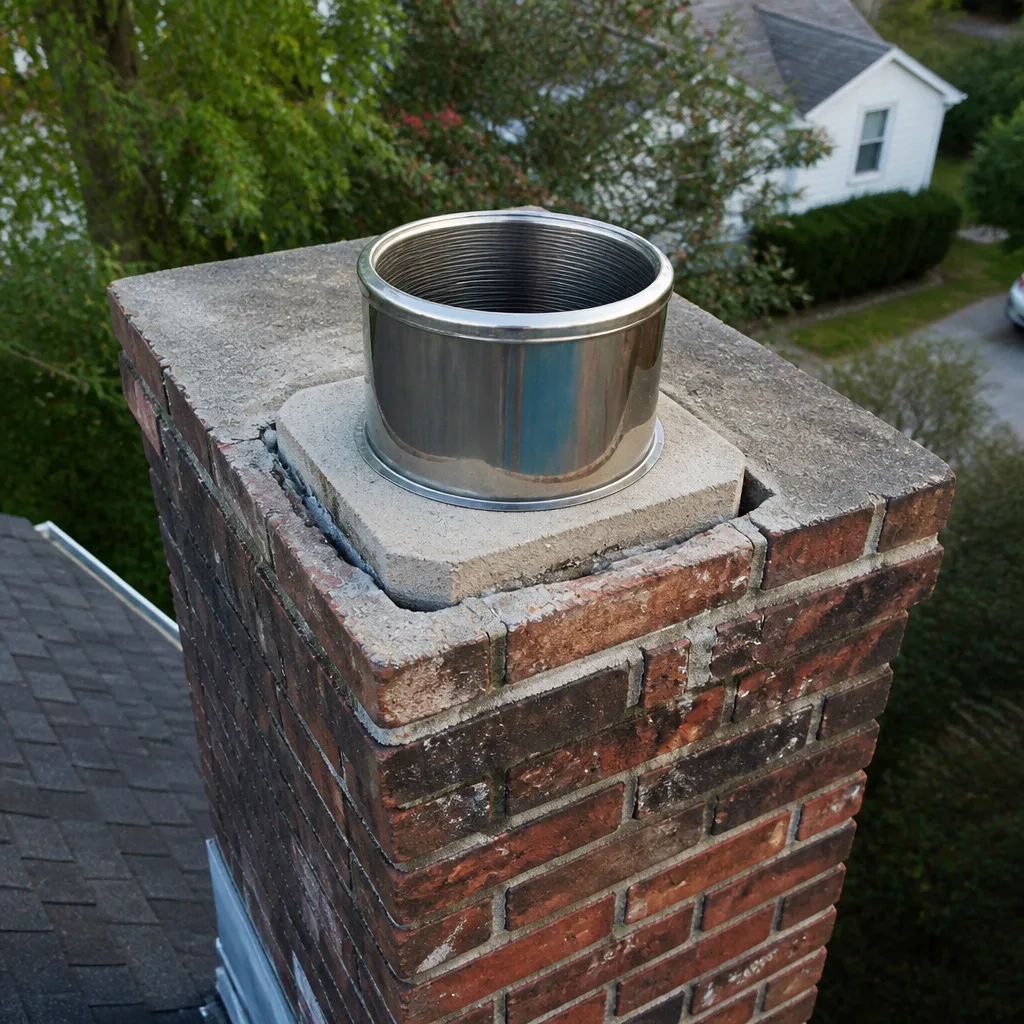 Flue relining
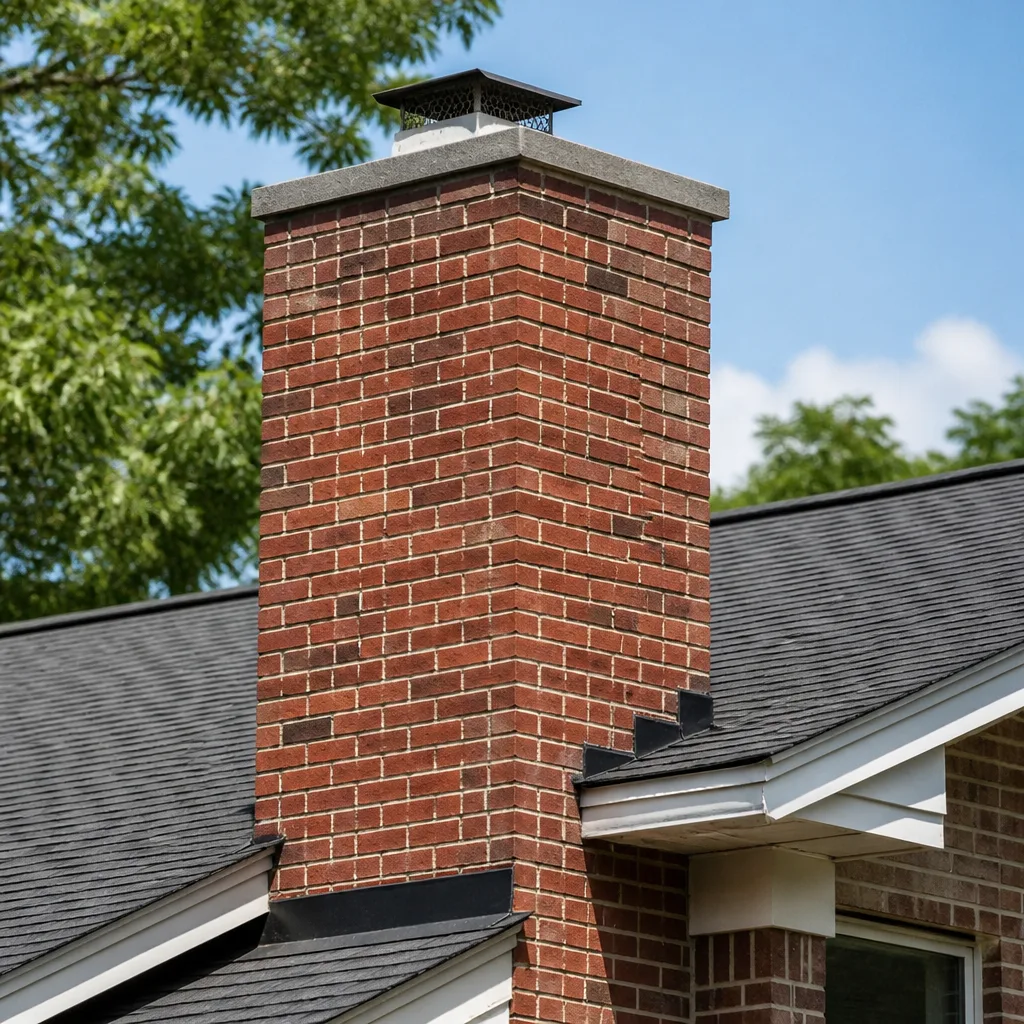 Masonry repair
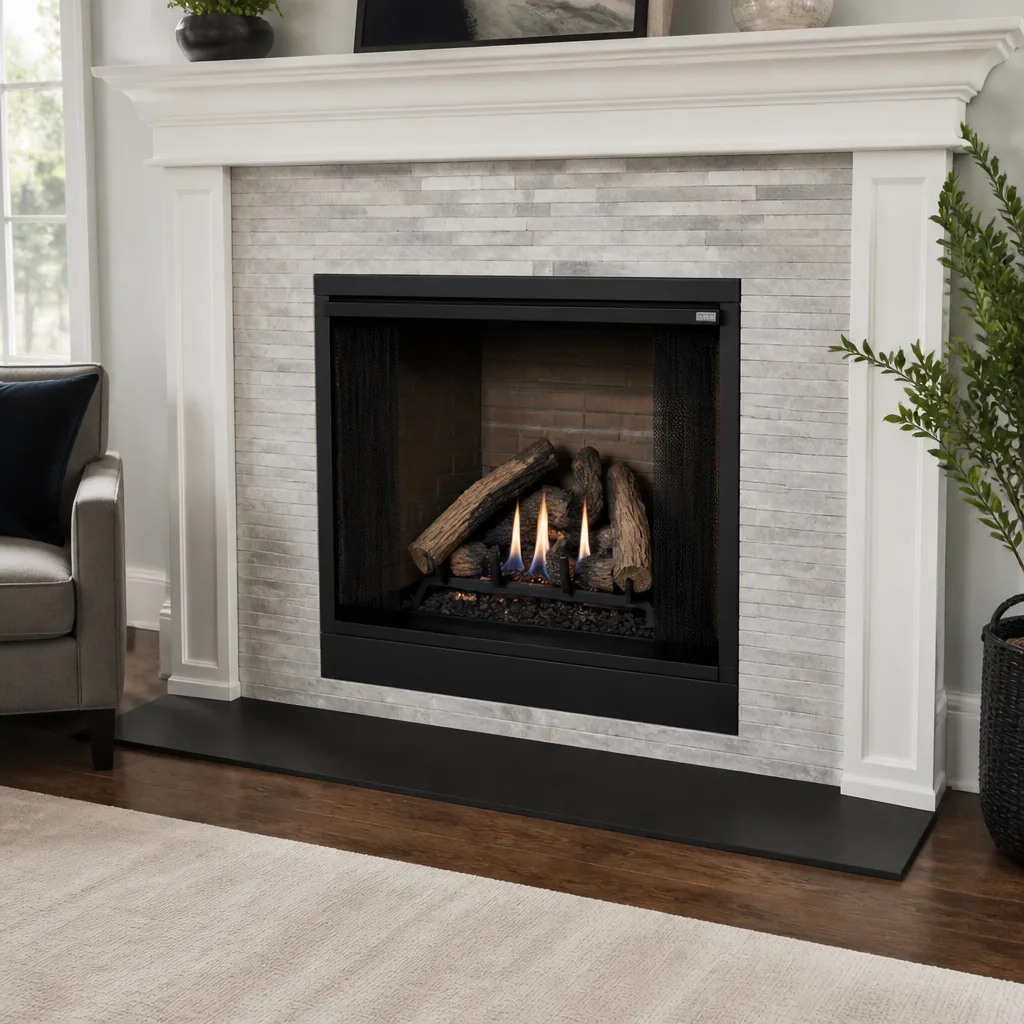 Gas fireplace service
Level 1 sweep and inspection to the NFPA 211 annual standard - flue, crown, cap, and flashing checked and photographed
Chimney sweep logs do not sweep chimneys. They loosen some creosote - which then falls where a brush and vacuum still have to collect it.
DIY vs Professional Chimney Cleaning: The Green Hills Homeowner’s Decision Guide
Here’s the part of this debate most guides skip: sweeping your own flue is not the dangerous decision. Skipping a professional inspection is. A homeowner who burns two to three cords a year and runs a brush through the flue between professional visits is making a reasonable call with their eyes open. A homeowner who hasn’t had a proper professional inspection since buying the house is carrying a liability they can’t see from the rooftop – a cracked liner, a failing smoke chamber, a cap seal that quietly let water into the crown for two winters. This guide draws the line precisely, so you pick DIY because it makes sense, not because you didn’t know what you were giving up. We’ll walk through what your brush actually reaches in a Green Hills home, where DIY stops working, and when it’s genuinely worth calling in a specialist.
Styles & brands we work with
- Sweep & inspection
- Caps & crowns
- Flue relining
- Masonry repair
- Gas fireplace service
Quick Answer
DIY chimney sweeping can maintain a lightly used fireplace between professional cleanings, but it cannot replace a professional inspection – a brush reaches soot in the flue, while a camera and a trained eye catch the liner cracks, smoke chamber damage and cap seal failures that cause chimney fires and carbon monoxide leaks. In Green Hills, a reasonable hybrid looks like this: sweep yourself between visits if you burn lightly and know your flue is sound, and schedule a professional inspection and cleaning at least once a year, or after any change in how the chimney performs.
Table of Contents
- What a DIY Chimney Brush Kit Can Actually Accomplish
- The Blind Spots: What You Cannot See From the Firebox
- When DIY Between Sweeps Is Reasonable in Green Hills
- When DIY Is Actively Counterproductive
- The Equipment Gap: Push Brush vs Rotary Cleaning
- Insurance, Liability and the DIY-Only Record
- A Practical Hybrid Framework You Can Follow
- Green Hills Chimney Context: Climate, Housing and Wood
- Common Mistakes to Avoid
- When to Call a Professional
- Frequently Asked Questions
What a DIY Chimney Brush Kit Can Actually Accomplish
A consumer chimney brush kit is a soot-removal tool, and that’s a fair thing to own. With the right-diameter polypropylene or wire brush, extension rods, a drop cloth and a shop vacuum, a homeowner can knock loose soot off the inner face of a straight, sound flue and clean the firebox floor. On a masonry chimney in a Green Hills home with a simple straight run and a lightly used fireplace, that work is genuinely useful between professional cleanings.
Here’s what a DIY kit can and can’t do, laid out plainly:
- Can: Remove loose soot and light Stage 1 creosote (the powdery, flaky crust) from the flue walls within reach of the brush.
- Can: Clean the firebox floor and smoke shelf of ash and debris you can reach by hand.
- Can: Give you a baseline sense of how much you’re burning and what’s depositing.
- Cannot: Assess liner condition, including hairline cracks in clay tile that you’d never see without a camera.
- Cannot: Remove Stage 3 glazed creosote, which fuses to the flue wall and needs mechanical rotary action to break up.
- Cannot: Inspect the smoke chamber, the damper assembly, the crown or the cap seal from inside the house.
- Cannot: Give you a documented record of the chimney’s condition that an insurer or a buyer’s inspector will accept.
Think of the brush as maintenance, not diagnosis. It keeps the flue cleaner between visits. It doesn’t tell you whether the flue is safe to use.
The Blind Spots: What You Cannot See From the Firebox
Standing at the firebox with a flashlight, you can see maybe the first few feet of flue. Everything above that is a black tube you’re guessing about. In our experience, that gap between “the fire draws fine” and “the flue is actually sound” is where most chimney problems live. A camera inspection catches what a flashlight can’t.
Here’s what a proper inspection covers that DIY never will:
- Liner integrity. Clay tile liners crack with heat cycling and settling. A hairline crack that runs through the tile is a path for heat and carbon monoxide to reach the framing and the living space. You will not see it from below.
- Smoke chamber condition. The corbelled masonry just above the damper is where creosote collects and where cracks hide. It’s also the most common source of slow, stubborn smoke problems, and it’s completely invisible from the firebox.
- Cap and crown seals. The cap and crown are the two water-entry points that cause most long-term masonry damage on Green Hills chimneys. Water gets in through a cracked crown or a rusted cap, then freeze-thaw cycles in a Tennessee winter split the masonry apart from the inside.
- Flue sizing and offsets. A flue that’s oversized for the firebox drafts poorly, and an offset flue that a push brush can’t fully clean needs a different approach entirely.
- Combustible clearances. Insulation, framing or roofing materials too close to the flue are a code problem and a fire risk you can’t evaluate from inside the house.
That list is the case for professional inspection in one paragraph. The brush cleans what you can reach; the inspection finds what you can’t.
When DIY Between Sweeps Is Reasonable in Green Hills
There’s a version of this that works. If a professional has inspected and cleaned your chimney, confirmed the liner and smoke chamber are sound, and you know the setup, then keeping up with soot between visits with your own brush is a reasonable, sensible thing to do. It’s the same logic as changing your own furnace filter between service calls – you’re maintaining a known-good system, not diagnosing an unknown one.
The conditions where DIY between sweeps makes sense:
- You’ve had a professional inspection in the last year that confirmed the liner, smoke chamber, cap and crown were all sound.
- You burn lightly – say, a cord or less per season, on a fireplace you use occasionally rather than as primary heat.
- Your flue is a simple straight run with no offsets, so a brush actually reaches the full length.
- You’re comfortable on a ladder, working from the top down, with the right brush diameter and proper drop cloths inside.
- You know what creosote looks like at each stage and you’re honest with yourself about what you’re seeing.
If that describes your Green Hills home, a brush kit is not a false economy. It’s routine maintenance with a real professional backstop once a year. The key word is “backstop” – the professional visit is still the anchor, not the thing you’re replacing.
When DIY Is Actively Counterproductive
There are setups where sweeping your own flue doesn’t just miss the point – it can give you a false sense of security that makes the whole chimney less safe. These are the cases where a brush kit becomes an excuse not to get inspected, and the homeowner ends up sweeping monthly while the real problem (a cracked liner, a failing crown) gets another year older.
DIY is the wrong call when:
- You burn heavily. A fireplace used as real heat, or a wood stove running through a Green Hills winter, builds creosote faster than a consumer brush can manage. These setups need professional rotary cleaning on a tighter schedule.
- You have a wood-burning insert. Inserts have their own liner, often stainless, and the clearances and connections around them are things a homeowner can’t safely evaluate. The insert liner needs a camera.
- Your home is over 20 years old. Older masonry in Green Hills has had decades of heat cycling and settling. The probability that the liner, crown or smoke chamber has a real defect goes up sharply with age, and those are exactly the defects a brush won’t find.
- You’ve never had a professional inspection. The single biggest counterproductive pattern is a homeowner who sweeps diligently but has never had the chimney looked at by a professional. Sweeping is not inspection. If you don’t know your flue is sound, maintain it blind and you’re carrying risk you can’t quantify.
- Smoke, odor or draft problems exist. If the fireplace smokes into the room or you smell creosote when it’s not burning, DIY is treating a symptom. The cause is a diagnostic question.
That last point matters in Green Hills specifically, where a lot of homes have the firebox on the main level and a flue that runs up through the roofline, sometimes with an offset. A push brush navigates that fine but a homeowner working without a camera has no way to confirm it reached the full length.
The Equipment Gap: Push Brush vs Rotary Cleaning
The push brush you buy at a hardware store and the rotary system a professional uses are not the same tool doing the same job. This is the part of DIY vs professional that most guides gloss over, and it’s the difference between moving creosote around and removing it.
A push brush is a stiff-bristled head on rods. You run it up and down the flue. On loose soot, it works well. On glazed creosote – the shiny, tar-like Stage 3 deposit that fuses to the flue wall – a push brush tends to smear and redistribute the deposit rather than break it up. It can polish a glazed layer into a smoother, denser coating that’s harder to remove next time. A professional rotary system spins a whip or chain head under controlled torque, which fractures glazed creosote off the wall so it can be swept out and vacuumed.
That technical difference is why
a professional chimney sweep in a home with heavy creosote load isn’t just “a bigger brush.” The cleaning method is chosen based on what’s actually in the flue, which comes from the inspection. On top of the rotary head itself, a professional setup uses HEPA-grade vacuums with sealed containment, drop cloths, camera equipment and rotary tools sized to the flue geometry. The gap between a homeowner’s kit and a professional system is the gap between soot removal and creosote removal.
One more thing: if a homeowner sees glossy, tar-like deposits on the flue walls during a DIY sweep, that’s not a “keep brushing” situation. That’s a call-a-professional situation, because glazed creosote is the deposit most associated with chimney fires and it needs the rotary method to remove.
Insurance, Liability and the DIY-Only Record
Here’s a question most fireplace owners never ask until it’s expensive: what does your homeowner’s policy actually require of a chimney? In many cases, insurers expect regular professional maintenance and inspection, and some carriers ask for documentation after a fire or a claim. A drawer full of nothing – no inspection records, no professional cleaning receipts, just a brush in the garage – is not a maintenance history. It’s a gap.
The liability side matters too. If a chimney fire happens and a claim is filed, the insurer’s question won’t be “did you sweep it?” It will be “when was it last professionally inspected, and what did the report say?” If the honest answer is never, the claim conversation gets harder, regardless of how diligently you brushed.
Here’s what an actual professional record gives you:
- A dated inspection report with photo documentation of the flue, smoke chamber, crown and cap.
- A clear record of what was found, what was cleaned, and what was healthy.
- A paper trail that a buyer’s inspector, an insurer or a chimney professional can pick up from next year.
- Peace of mind when you sell – a documented chimney is a both a quicker sale and a fairer price negotiation.
If you’re a buyer or seller in Green Hills, a pre-sale or post-purchase chimney inspection is a small line item against a house price. Don’t skip it in favor of a DIY sweep, because the DIY sweep doesn’t produce the document the transaction needs.
A Practical Hybrid Framework You Can Follow
The honest answer to DIY vs professional chimney cleaning isn’t “always call” or “always DIY.” It’s a hybrid, with a clear split between maintenance you can reasonably handle and decisions only a specialist should make. Here’s the framework we’d give a Green Hills homeowner who wants to be informed rather than either reckless or over-sold.
Step 1 – Establish a professional baseline. Before you sweep your own flue for the first time, have a professional inspect and clean the chimney once. That gives you the condition report you’ll maintain against, and it confirms the liner, smoke chamber, crown and cap are sound. Without this baseline, every subsequent DIY sweep is being done blind.
Step 2 – Set up an annual professional visit. Even if you sweep in between, schedule a professional cleaning and inspection once a year. For a heavily used fireplace or a wood-burning setup, more often. The annual visit is what keeps the record current and catches drift.
Step 3 – Sweep between visits if it makes sense for your setup. Light use, simple flue, known-good condition – that’s the DIY-maintenance zone. Use the right brush diameter and work top down with proper containment. If you see glossy creosote or anything that looks like a broken tile, stop and call.
Step 4 – Know your always-call situations. Certain things always need a specialist, no matter how recently you swept. Those are structural and diagnostic, and they’re listed in the next section.
The framework’s worth is that it separates “maintenance” from “diagnosis.” You’re allowed to do maintenance. You’re not equipped to diagnose. Kept honest about that split, a homeowner can save money on the routine and spend it where it actually matters.
Green Hills Chimney Context: Climate, Housing and Wood
Green Hills chimney behavior isn’t the same as chimney behavior in a drier climate or a colder one. The Middle Tennessee mix of humid summers, freeze-thaw winters and a long shoulder season where the fireplace gets used off and on shapes how a chimney ages here. It’s worth understanding the local pattern, because it directly affects whether DIY between sweeps is enough.
A few Green Hills-specific realities:
- Freeze-thaw exposure. Water that gets into a masonry chimney – through a bad crown or a failing cap – freezes and expands in a Tennessee winter. That cycle is what turns a hairline crack in the crown into split masonry over a few seasons. The crown and cap are the parts a homeowner can’t inspect from the firebox, which is why they’re a professional-only check.
- Wood choice matters. Green or unseasoned wood burns cooler and deposits more creosote. In Green Hills, where a lot of homeowners buy firewood by the cord and stack it outdoors, the season and species of the wood affect how fast the flue load builds. Seasoned hardwood burns cleaner and gives a DIY brush a fighting chance.
- Housing age and chimney type. The Green Hills housing mix includes older masonry chimneys and newer construction, and each type has its own inspection pattern. Older masonry leans on the tile liner and smoke chamber; newer builds can have their own insert and liner details worth confirming.
- Humidity and cap performance. A humid climate is hard on chimneys that aren’t well-capped. The cap and crown seal is what stands between the masonry and a long, wet summer, and it’s the first thing a professional looks at on a Green Hills chimney that’s showing interior staining.
Put those together, and the local pattern is: maintain it well, inspect it professionally on schedule, and pay particular attention to the water-entry points. That’s the Green Hills-specific version of the DIY-versus-professional answer, and it tilts slightly toward professional for the parts you can’t see.
Common Mistakes to Avoid
Watching how the DIY-vs-professional decision goes wrong in Green Hills homes, we’ve seen the same handful of mistakes repeat. Here’s the list in the order they’re most likely to cost you:
- Treating a self-sweep as an inspection. Sweeping and inspecting are different jobs. A brush removes soot; it doesn’t evaluate the liner, smoke chamber, crown or cap. Don’t let a clean-looking flue convince you the whole chimney is sound.
- Skipping the professional baseline. If you’ve never had a professional inspect the chimney, don’t start DIY sweeping as if you’re maintaining a known-good system. You don’t know it’s known-good yet. Get the baseline first.
- Hitting glazed creosote with a push brush. If the flue wall is shiny and tar-like, keep brushing is the wrong instinct. That deposit needs rotary removal, and smearing it with a push brush makes it harder to deal with.
- Ignoring the crown and cap because they’re not in the flue. The two most common long-term damage paths on a Green Hills chimney are a cracked crown and a failing cap. Both are invisible from inside, and both are exactly what a professional inspection catches.
- Assuming a wood-burning insert is DIY-friendly. Insert liners and clearances are specialist territory. Treat a wood-burning insert as an inspection item, not a brush-kit project.
- Letting the DIY habit replace annual professional service. If your own brush has quietly become the only thing touching the chimney for a year or two, you’ve drifted from maintenance into neglect. The annual visit is the anchor, not the optional add-on.
- Polling a clean-looking flue after water damage. Staining on the ceiling, a rusted damper or crumbling mortar inside the smoke chamber all point to water getting in. A clean flue doesn’t mean a dry chimney.
When to Call a Professional
Some chimney questions need a specialist. Call us if any of these describe your Green Hills home: you’ve never had a professional inspection; you’ve seen glossy, glazed creosote in the flue; your fireplace smokes into the room; the chimney is on a wood-burning insert; the home is over 20 years old and the chimney hasn’t been inspected; you see staining, rust or crumbling mortar around the firebox or smoke chamber; you’re buying or selling; or the cap and crown look damaged. A camera inspection and a written report answer what the brush can’t. Chimney Sweep Green Hills offers free estimates in Green Hills – call (866) 990-4158. We answer 24/7. Fast dispatch from 7am to 7pm, Sunday through Friday.
If a structural problem turns up – a cracked liner, a failing crown, a smoke chamber that needs rebuilding – we handle the full range: fireplace repair, chimney cap & crown work, liner repair and HeatShield ceramic resurfacing. We use DuraFlex liners, HeatShield, Gelco crowns, Olympia Chimney components and Famco parts – the professional-tier materials certified chimney institutes rely on, not big-box substitutes. Our technicians have up to 14 years of experience, and a written estimate sets the price before any work begins.
Frequently Asked Questions
Yes, with conditions. A consumer brush kit can remove loose soot and light Stage 1 creosote from a straight, sound flue, which is reasonable maintenance between professional cleanings if you burn lightly and the chimney has been professionally inspected and confirmed sound. It cannot replace a professional inspection, remove glazed creosote, or evaluate the liner, smoke chamber, crown or cap – those require camera and eyes on the chimney. Call (866) 990-4158 if you’re unsure which category your setup is in – estimates are free.
Pricing is set per job by a written estimate after the chimney is inspected, because the scope depends on flue length, creosote load and whether anything needs rotary cleaning. A straightforward sweep is one price; a heavy-creosote flue that needs rotary mechanical cleaning plus an inspection is another. Get the written estimate before booking and you’ll know the price. Call (866) 990-4158 for an exact quote – estimates are free.
A chimney should be professionally swept and inspected at least once a year, and more often if it’s used heavily or as a primary heat source. That annual visit is the anchor of a safe chimney – it keeps the inspection record current and catches liner, crown and cap drift before it turns into structural repair. A DIY brush between those visits is maintenance, not a substitute. Call (866) 990-4158 to schedule your annual inspection – estimates are free.
The brush cleans soot, but the defects that cause fires and carbon monoxide problems – cracked clay liners, a failing smoke chamber, a leaking cap or crown – are all invisible from the firebox and don’t announce themselves. A homeowner who sweeps diligently and never inspects can have a clean-looking flue over a chimney that’s structurally compromised. The risk is not the sweeping; it’s the blindness. Call (866) 990-4158 to get a professional inspection on record – estimates are free.
A push brush removes loose soot but smears and redistributes glazed Stage 3 creosote rather than removing it, which can make the deposit harder to remove next time. A professional rotary system spins a whip or chain head under controlled torque to fracture glazed creosote off the flue wall so it can be contained and vacuumed. The rotary method is what a heavy-creosote Green Hills chimney actually needs, and it’s typically paired with a HEPA vacuum and camera inspection. Call (866) 990-4158 to book – estimates are free.
In many cases, yes. Homeowner’s policies often expect regular professional maintenance and inspection, and an insurer handling a claim will ask for the professional inspection record, not just evidence that you swept. Keeping an annual professional inspection and cleaning on file gives you a documented chimney history that a buyer’s inspector or an insurer can rely on – a DIY-only record doesn’t. Call (866) 990-4158 to start a documented maintenance history – estimates are free.
The Bottom Line
DIY chimney cleaning is a real maintenance tool, not a myth. If you burn lightly, your flue is simple and a professional has confirmed your liner, smoke chamber, crown and cap are sound, then sweeping your own flue between visits is a reasonable way to keep soot down. But it’s maintenance, not diagnosis. The moment your setup turns heavy-use, old-masonry, insert-based or shows glazed creosote or water damage, the brush stops being useful and the inspection becomes the whole point. Treat the annual professional visit as the anchor and the brush as the in-between, and you keep both the fire and the record – which is what protects your home and your claim. That’s the line that matters in Green Hills, and it’s the one most homeowners can hold steadily once they see where it sits.
Call Chimney Sweep Green Hills at (866) 990-4158 for a free estimate on your chimney inspection and cleaning. We answer 24/7. Fast dispatch from 7am to 7pm, Sunday through Friday. Our technicians have up to 14 years of experience and we’re trained on Chimney Sweep Green Hills full-service work – sweep, inspection, cap and crown, HeatShield ceramic resurfacing, and DuraFlex liner repair – so a single call covers what your DIY habit can’t.
Written by the team at Chimney Sweep Green Hills.
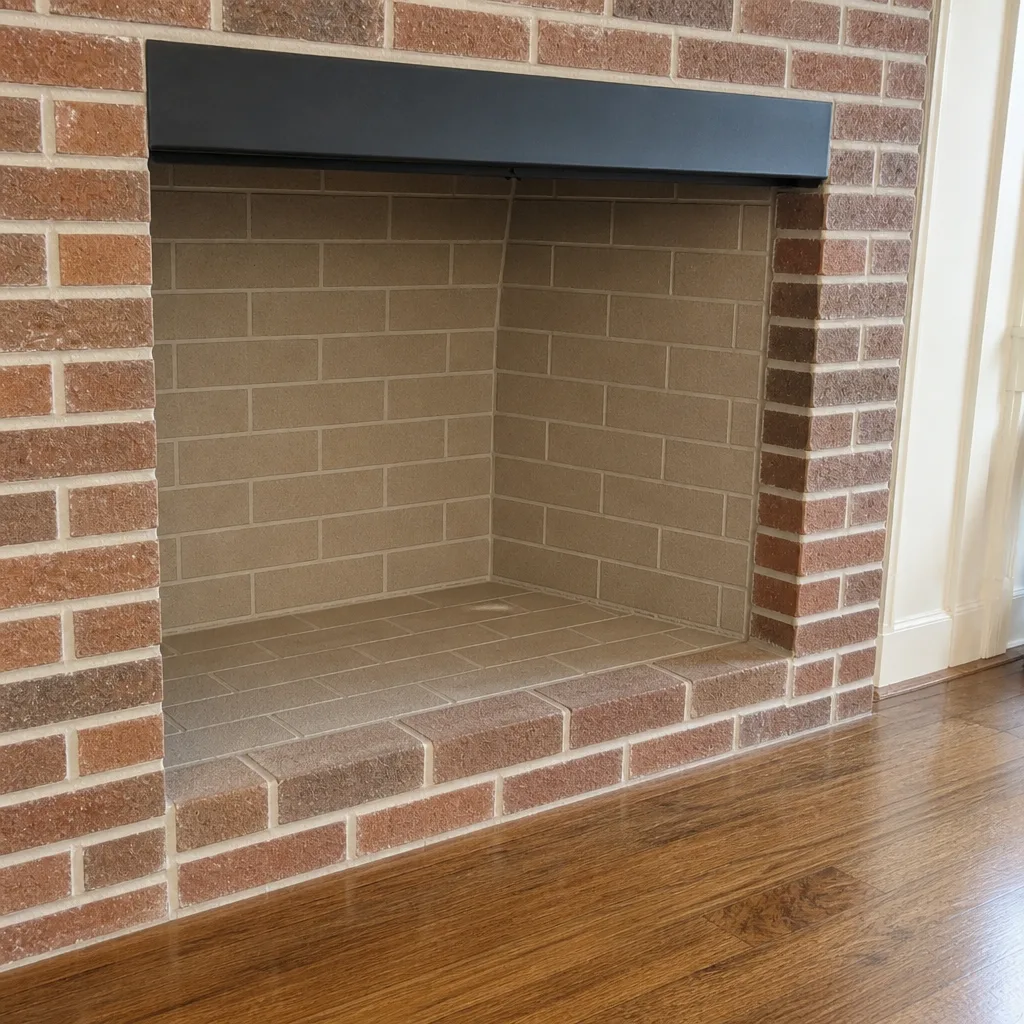
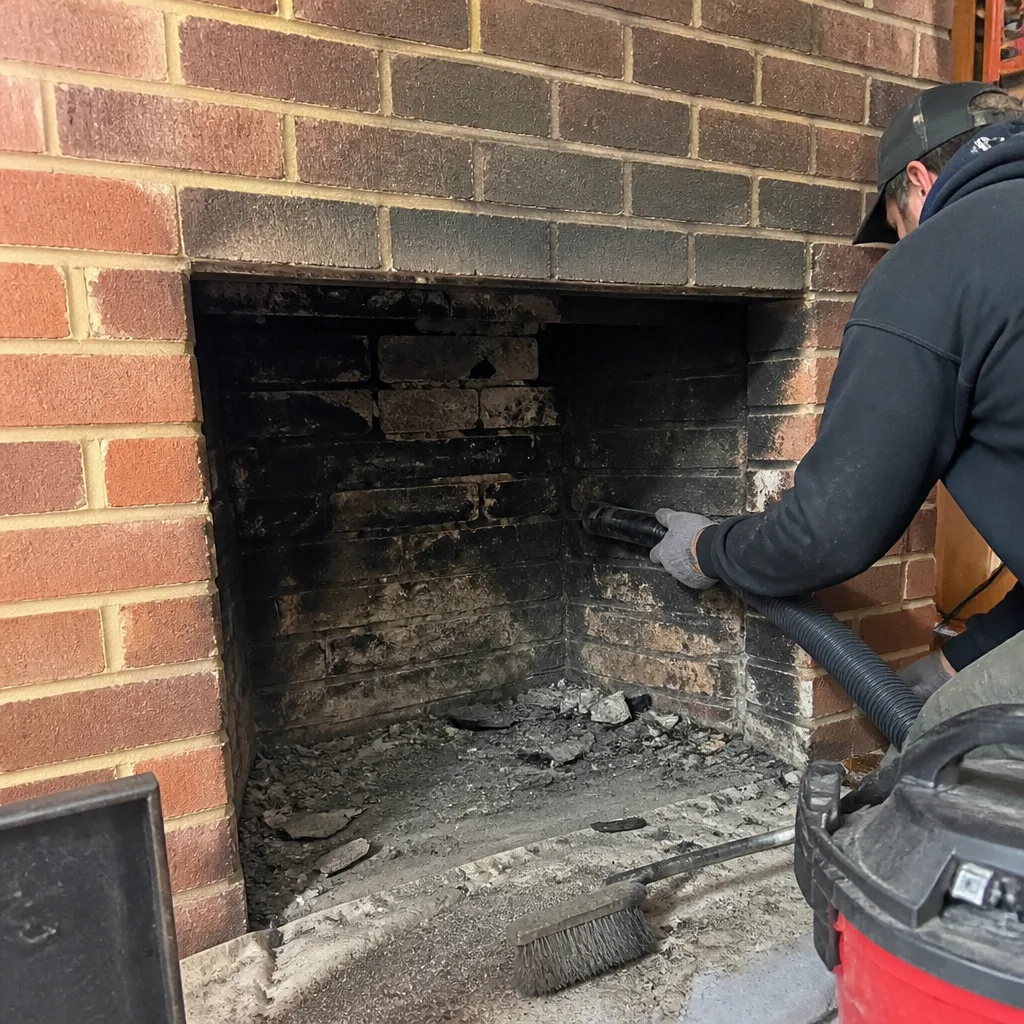
See the difference
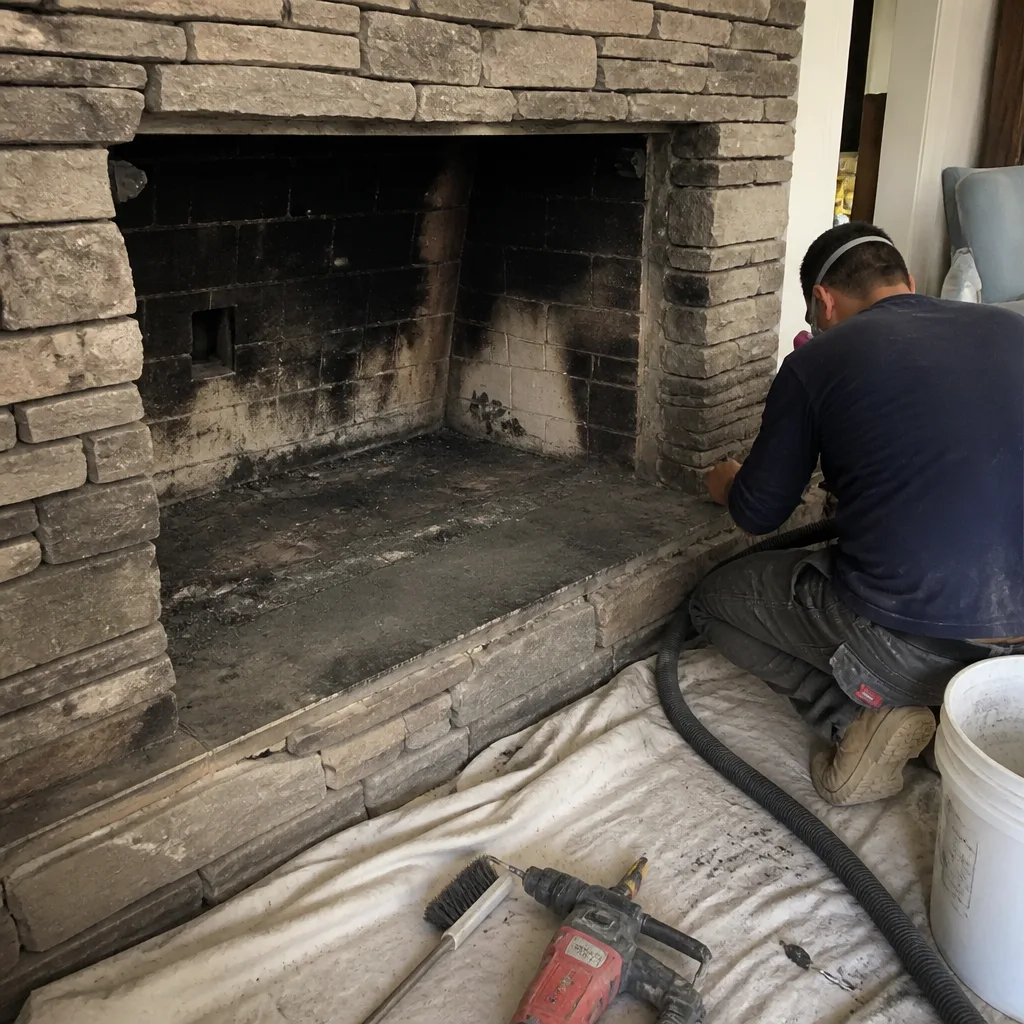 Before
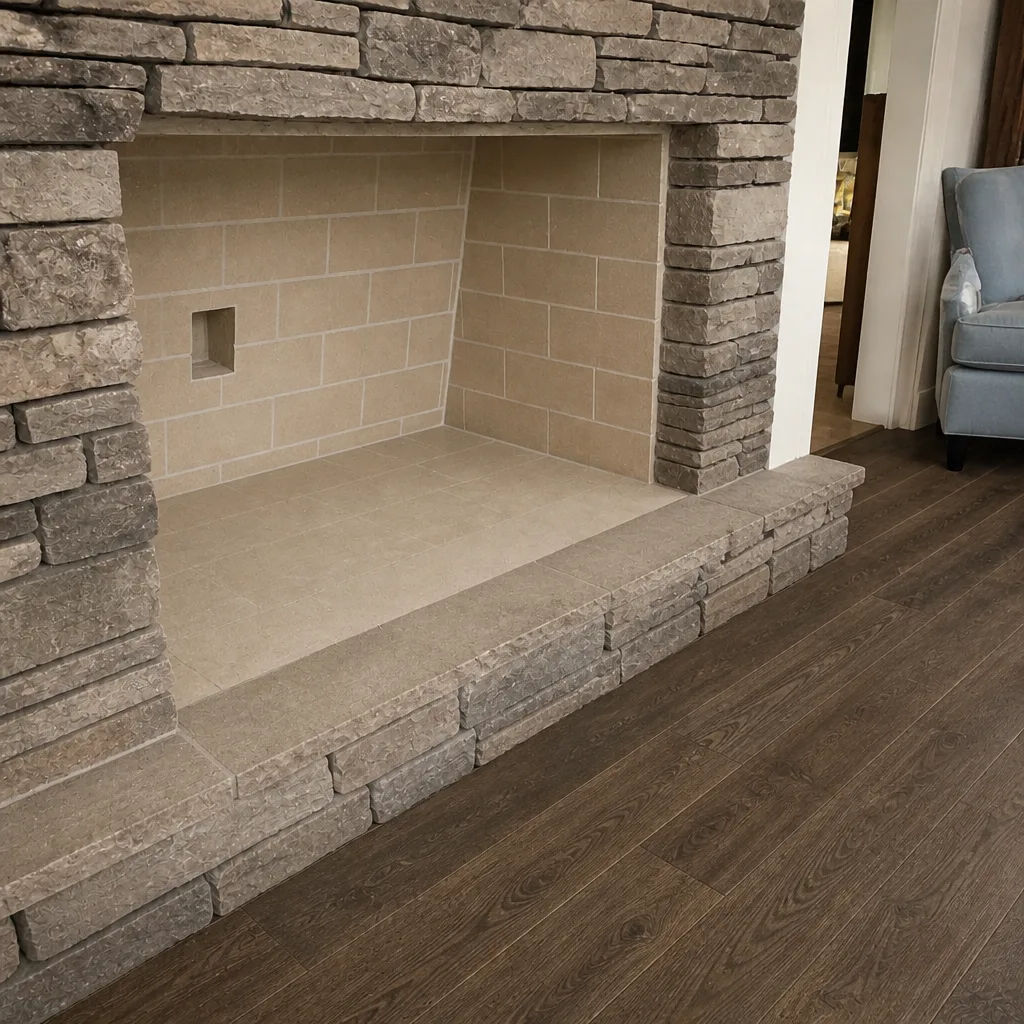 After
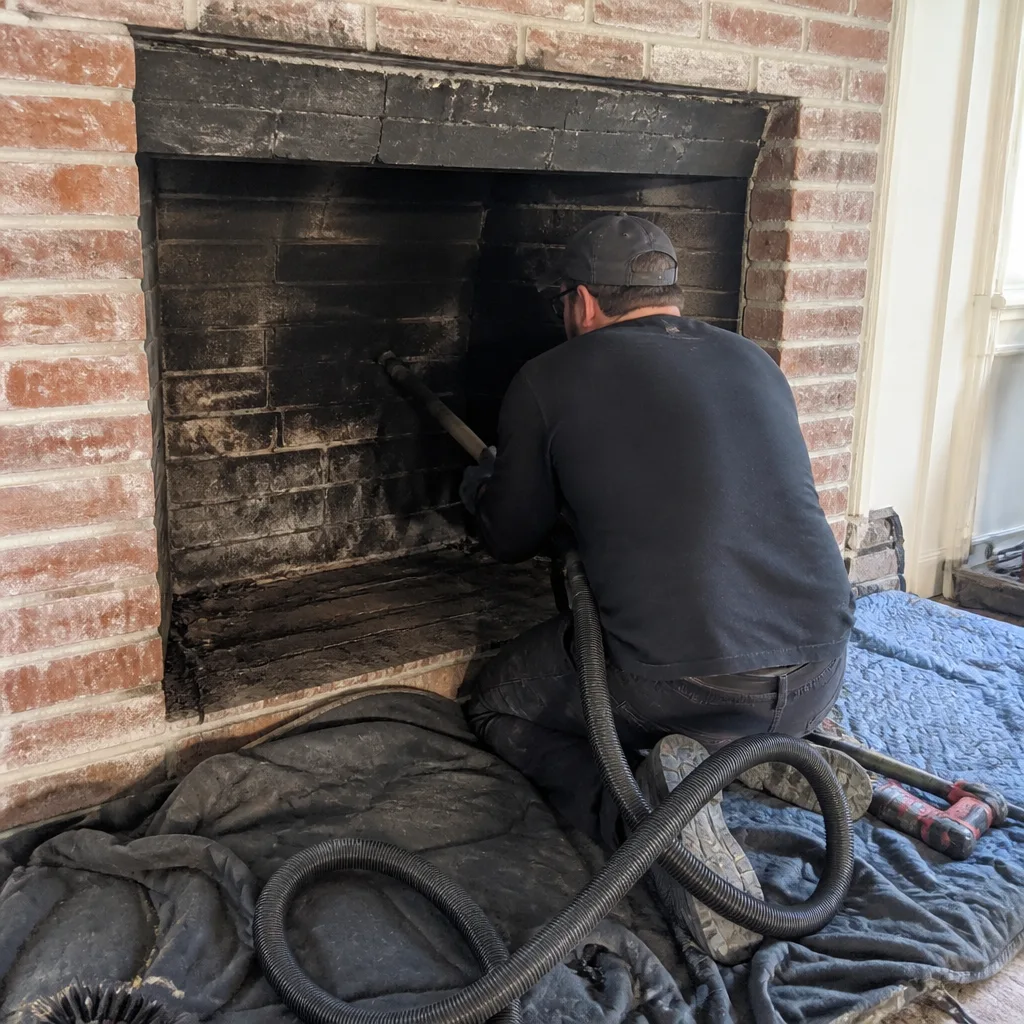 Before
 After
 Before
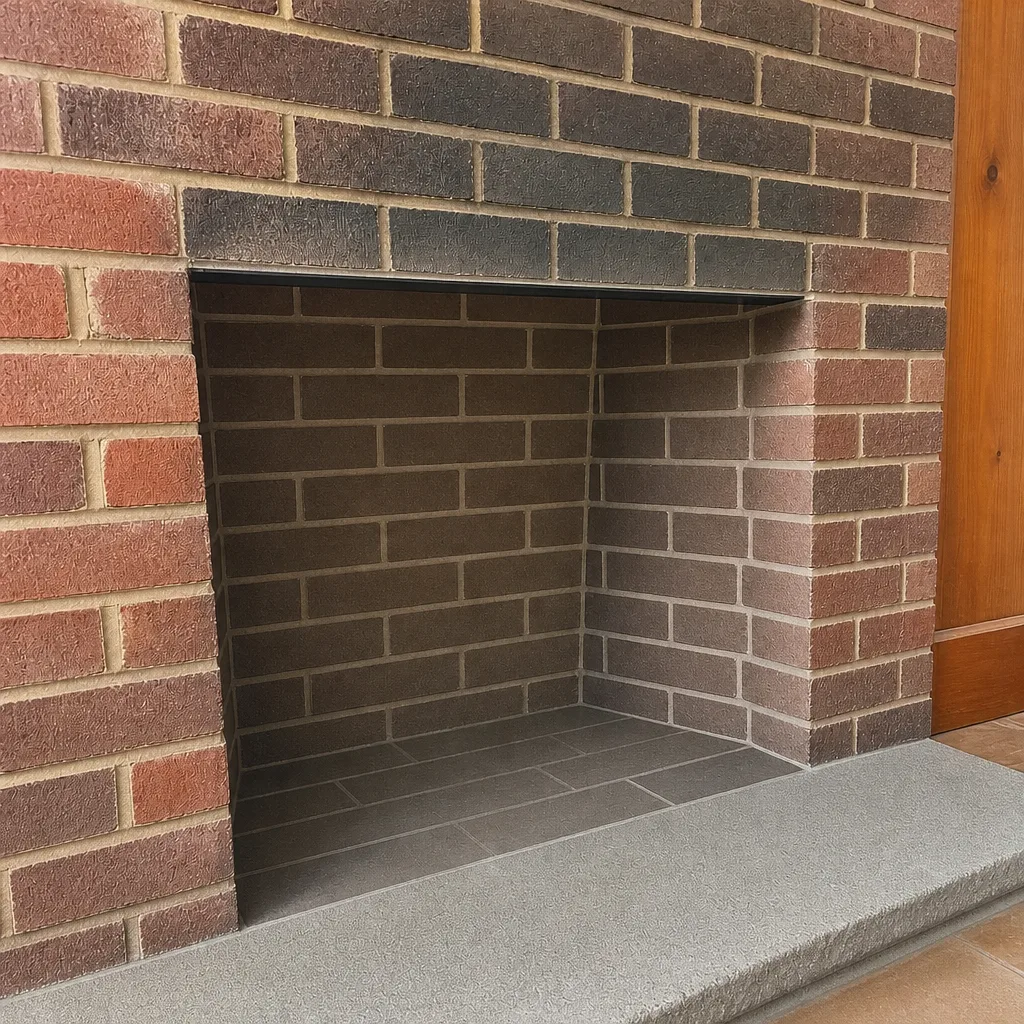 After