
Last updated November 24, 2026
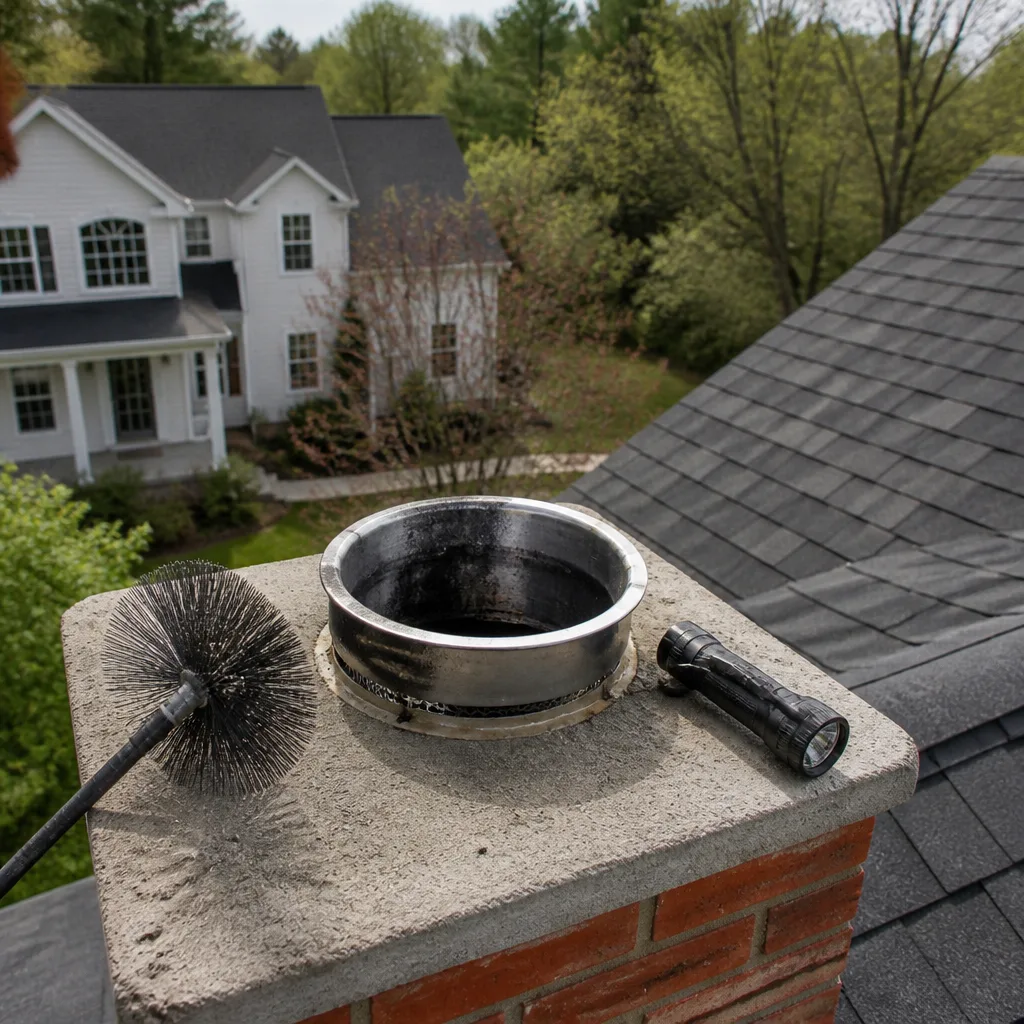 Sweep & inspection
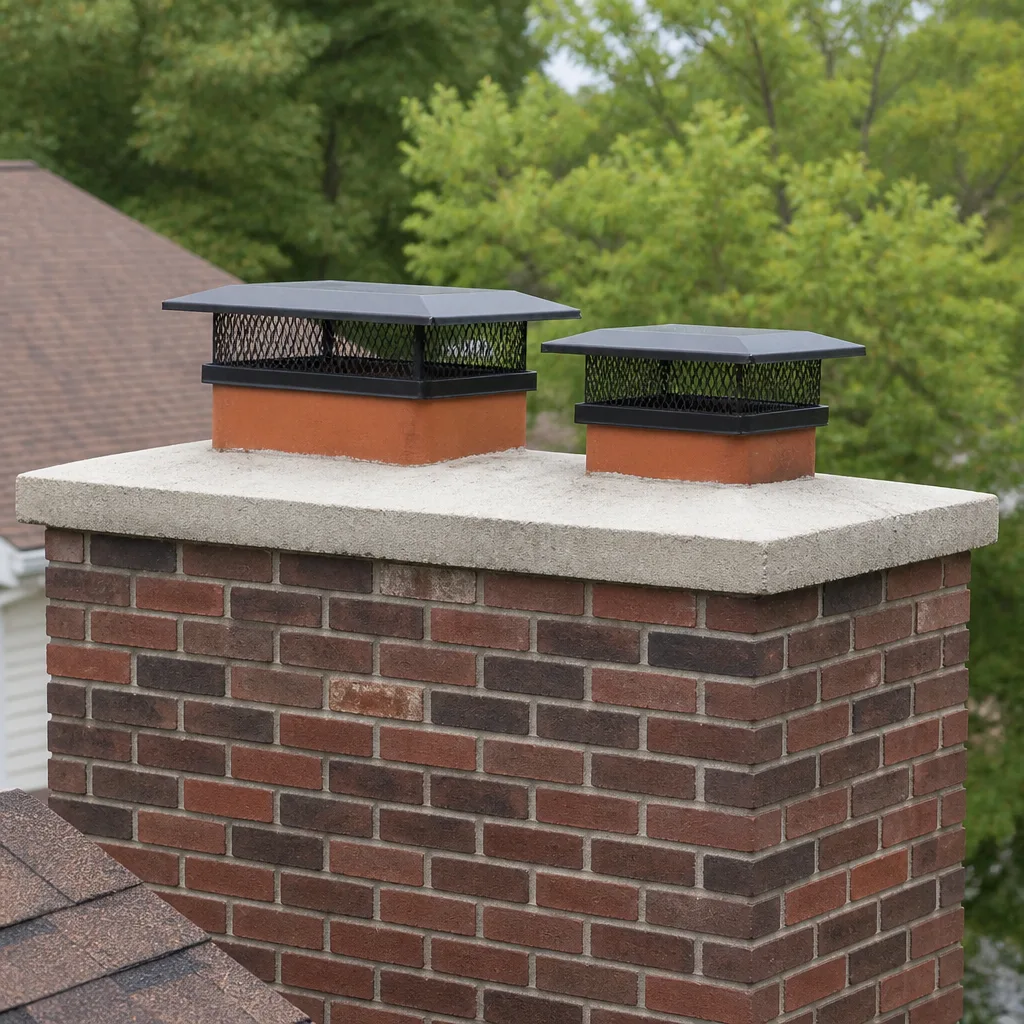 Caps & crowns
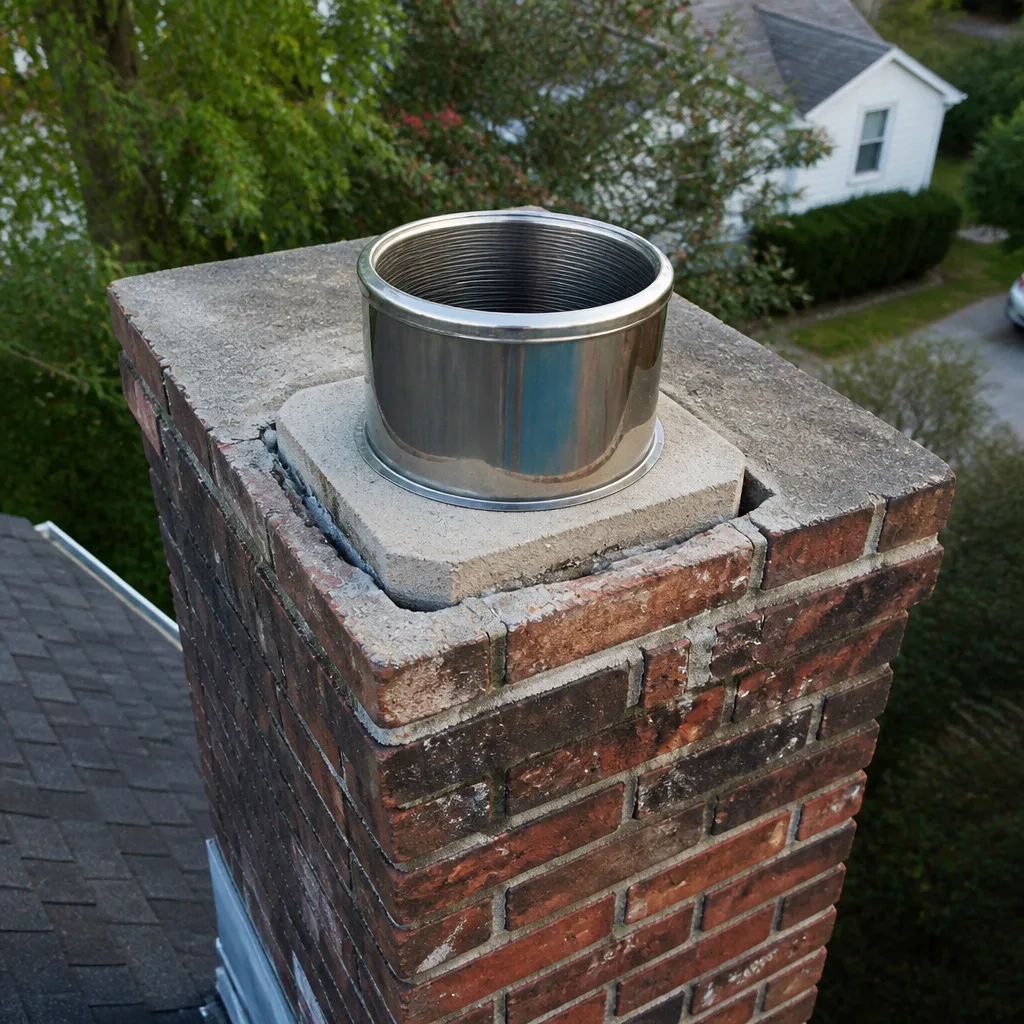 Flue relining
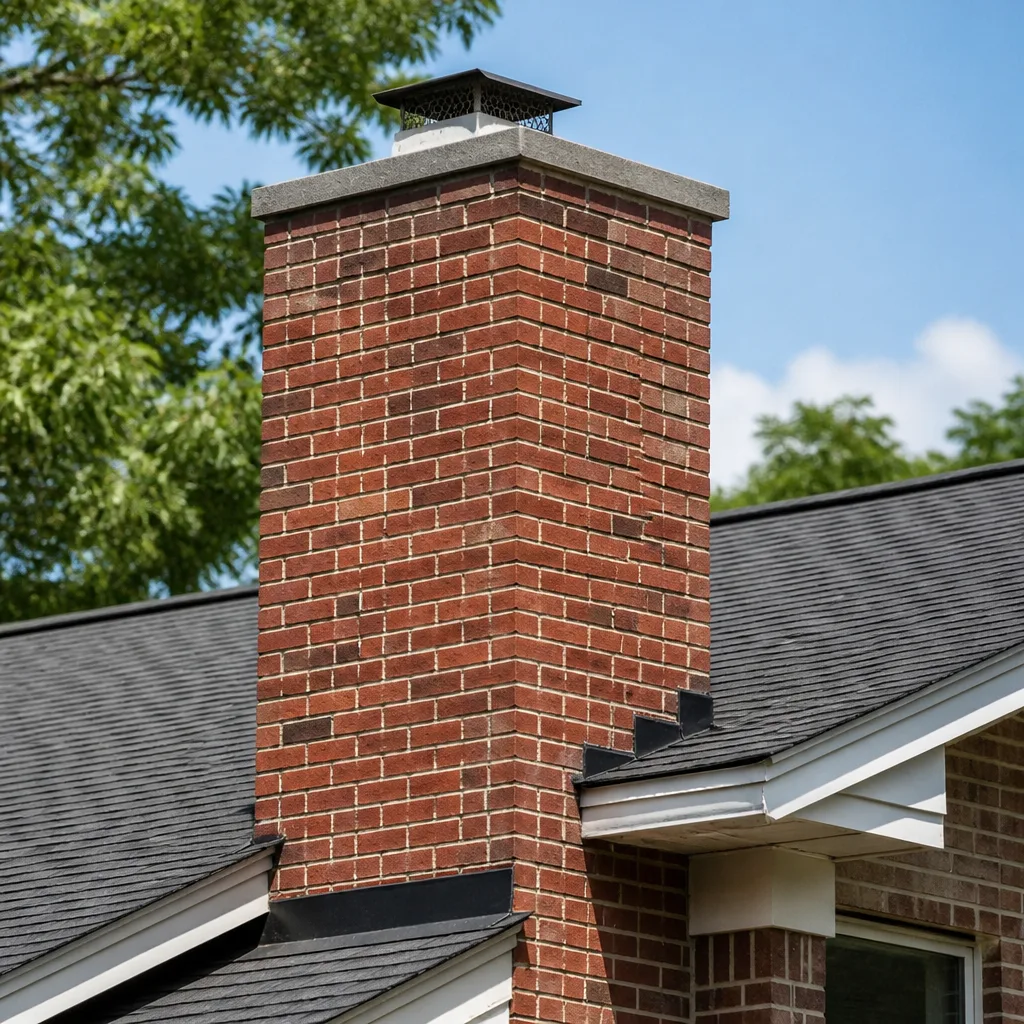 Masonry repair
 Gas fireplace service
Level 1 sweep and inspection to the NFPA 211 annual standard - flue, crown, cap, and flashing checked and photographed
Chimney sweep logs do not sweep chimneys. They loosen some creosote - which then falls where a brush and vacuum still have to collect it.
Chimney Sweep Maintenance Checklist for Green Hills Homeowners
Most chimney problems we find on a first visit to a Green Hills home announce themselves long before anything breaks. Take the damper. Homeowners assume it opens fully because the handle turns, but a partially corroded damper plate can sit half-shut for two or three seasons, quietly choking the draw on every fire. You’d never see it from the room. A flashlight pointed up the flue shows it in under 30 seconds. That gap between what a homeowner assumes and what’s actually happening is what this checklist closes. You’ll get plain indicators you can observe without tools, specific thresholds that tell you when to schedule a sweep, and a simple log that makes your next inspection sharper.
Quick Answer
A chimney maintenance checklist for a Green Hills home runs on three touchpoints: a before-season check in October covering the firebox, damper, cap view, and smoke signal, a mid-season check in January watching odor, smoke behavior, and creosote at the firebox opening, and a post-season inspection in March covering the cap, crown, and any moisture staining. Anything you can’t see safely from inside the house or from ground level belongs to a chimney specialist. Our technicians have up to 14 years of experience reading exactly these signals on Green Hills chimneys.
Styles & brands we work with
- Sweep & inspection
- Caps & crowns
- Flue relining
- Masonry repair
- Gas fireplace service
Table of Contents
- Why a Checklist Beats a Quick Sweep
- The October Before-Season Checklist
- The January Mid-Season Check
- The March Post-Season Checklist
- The Thresholds: When to Watch vs. When to Call
- What Moisture Staining Is Telling You
- The Log That Makes Your Next Inspection Precise
- How Often You Actually Need a Sweep
Why a Checklist Beats a Quick Sweep
A sweep without context is a cleaning. A checklist is a record. The difference matters in Green Hills because our burning season is long and our housing stock is older than the surrounding suburbs. Homes here tend to sit on shaded lots with mature tree canopy, which keeps flues cooler and slows the draft that carries creosote vapors out. Cooler flues build deposits faster. None of that shows up in a routine brushing unless somebody is tracking it across seasons.
When you check your chimney on a schedule, three things change. You notice drift before it becomes damage. You give your technician better information than “it smells funny.” And you stop guessing about whether last winter’s fires were normal or heavy. Documentation is the whole point. When a buyer’s inspector walks a Green Hills home before a sale, a maintenance log answers questions a visual inspection can’t. It shows the flue has been watched, not just swept.
We build every visit around the same idea: proof you can see. Whether it’s the chimney sweep itself or a structural repair, you get camera work and a photo report so the recommendation isn’t a guess you have to take on faith. If something can safely wait until next season, we tell you that too. A checklist trains your eye. A specialist confirms what your eye can’t reach.
The October Before-Season Checklist
Do this in early October, before the first fire, with a flashlight and about fifteen minutes. Five items, all safe to check from inside the house.
- Look up the flue with a flashlight. Point it past the damper and look for a clear, dark passage. You should not see a heavy fur of black fluff, and you should not see daylight unless there’s a cap you can see light through. Light where light shouldn’t be means a gap in the system.
- Work the damper fully. Open it, close it, open it again. It should move smoothly through its full travel and sit flat open. Watch the plate itself, not just the handle. A damper that turns but doesn’t open fully is the most common thing we correct on a first Green Hills visit.
- Check the firebox for loose brick and flaking mortar. Run your hand along the joints. Crumbling mortar between firebricks, or brick faces that flake off when touched, means the firebox needs repair before it holds another fire. This is squarely fireplace repair territory, and it’s better handled before the season than during it.
- Step outside and look at the top of the chimney. From ground level, confirm the cap is sitting square and none of the mesh is torn. A missing or damaged cap lets rain, birds, and debris straight into your flue. If the cap looks off, our chimney cap & crown work starts there.
- Do a smoke signal test with the first small fire. Light one fire with a modest load. Smoke should rise straight up and leave. If smoke rolls out the front of the firebox instead of up, the draw is compromised and you should stop and schedule a sweep rather than pushing through the season.
Write down what you find. Even “all clear” is worth a line in your log. A clean October record is the baseline that makes every later observation meaningful.
The January Mid-Season Check
By January, your chimney has been working hard for a few months, and the signals shift. This check is about behavior, not structure. You don’t need to enter the flue. You need to pay attention to three things.
- Odor changes. A healthy chimney smells faintly of woodsmoke or nothing at all. A sharper, sour, or acrid smell when there’s no fire burning points to creosote or moisture in the flue. Sudden new smells mid-season are worth noting.
- Smoke behavior. Watch how smoke leaves the firebox. A fire that lights easily, burns with a steady rise, and doesn’t spill when you open the door is behaving. Smoke that stalls, drifts into the room, or gets worse with the same wood is telling you the flue is restricted.
- Creosote at the firebox opening. With a flashlight, look at the top of the firebox opening and the smoke shelf just inside. Black, crusty, or shiny deposits visible at the opening mean there’s more above. Shiny, glazed creosote is the kind that needs professional removal, not a scrub brush.
One mid-season habit worth building: watch the flue in cold weather specifically. Draft weakens when the flue is cold, and Green Hills winters swing between mild days and sharp cold snaps. A chimney that draws fine on a mild evening can be sluggish on a windy, cold morning. If you notice the difference, that’s a data point, not a crisis. Log it.
The March Post-Season Checklist
Once the last fire is done, the chimney shifts from working to resting. This is when structural issues show themselves, and it’s the best time of year to have a sweep and inspection done before the off-season has its way with your masonry. Three items.
- Look at the cap and crown from ground level. The cap is the metal or mesh assembly on top. The crown is the concrete or masonry slab that covers the top of the chimney. Both guard against water. Look for a cap that’s crooked, missing fasteners, or torn, and for a crown with visible cracks, flaking, or missing chunks at the edges.
- Walk the interior wall near the chimney for moisture. On the inside of the house, look for discoloration, bubbling paint, or chalky white staining around the chimney breast. That white staining is efflorescence, and it means moisture is moving through the masonry.
- Inspect the firebox back wall for staining. With a flashlight, shine light on the back wall of the firebox. Dark water stains or a damp, cool feel to the brick are what we call moisture staining. It usually traces back to a failed cap or crown, or to a liner that isn’t shedding water properly.
Spring is also when a sweep does its most useful work in a Green Hills home. Deposits that built over the winter get cleared before summer humidity has a chance to combine with them and turn a flue into a damp, slow-corrosion environment. When a cap needs replacing or a crown needs rebuilding, we reach for Gelco and Famco components because they’re built to handle the same conditions season after season. Details matter up there. A cap that’s spec’d right lasts.
The Thresholds: When to Watch vs. When to Call
This is where most checklists go soft. “If you notice problems” is not a threshold. Here are the specific lines we use, and the ones we’d suggest you adopt too.
Items you monitor
- Light gray, sooty dust at the firebox opening with no crusting.
- A faint woodsmoke smell in the room only right after a fire.
- A damper that moves a little stiffly but still opens fully.
- Minor spider-web cracking in the firebrick with no loose brick.
- Fire lighting that takes a few extra minutes on cold mornings.
Items that move you to schedule a sweep or inspection
- Visible black or brown deposits creeping above the smoke shelf.
- Shiny, glazed creosote anywhere you can see it.
- Smoke spilling into the room when the firebox door is open.
- Any sour or acrid smell in the room with no fire burning.
- A damper that won’t open fully, or a handle that turns without moving the plate.
- Flaking mortar between firebricks, or brick faces that crumble to the touch.
- Loose or missing brick anywhere in the firebox.
- Water staining on the firebox back wall or chalky staining on the chimney breast.
- A cap that’s crooked, torn, or missing a fastening.
- A crown with visible cracks or crumbling edges.
Two of those last items are worth flagging. Any water intrusion is a call: moisture and masonry don’t improve on their own. And any structural issue in the firebox is a stop-and-call. When we recommend a repair after a sweep, we show you a camera photo and a written report, so what we’re describing is something you’ve seen yourself. If the job can safely wait, we say so. That’s the whole point of an honest inspection.
What Moisture Staining Is Telling You
Moisture staining on the firebox back wall is the chimney equivalent of a warning light. It means water has been moving through the masonry or the flue, and the stain is the visible trace it left behind. In Green Hills, that’s often a summer thing. Our rainy spring and humid summer drive water into any crack the crown or cap leaves open. Then it works its way down.
The chain usually runs one of three ways:
- Cap failure. Rain enters the top through a missing or damaged cap and runs down the inside of the flue. The back wall of the firebox is where it pools and stains.
- Crown failure. Cracks in the crown let water into the masonry itself. It travels down through the flue walls, not the flue interior, and shows up as staining and efflorescence on the chimney breast inside the house.
- Liner wear. A terracotta liner with cracked or eroded joints lets flue gases and moisture escape sideways into the surrounding masonry. That’s when we look at liner options, and it’s where HeatShield ceramic resurfacing comes in: it seals the inside of the flue without a full liner replacement when the liner can still hold.
Not every stain is urgent. A minor stain traced to a cap that’s past its life is a fix, not a rebuild. What matters is that the source gets found before it spreads. That’s why we don’t recommend a repair without evidence you can see, and why we’re clear about which stains mean stop and which mean schedule.
The Log That Makes Your Next Inspection Precise
The single best thing you can hand a technician is a record of how you actually burn. It makes the inspection targeted instead of generic. You don’t need a spreadsheet. A lined notebook by the fireplace works.
Track five things, nothing more:
- Cords burned per month. Rough count is fine. Forty cords over a winter is a different chimney than ten.
- Fire frequency. Fires per week, or a simple tally.
- Wood type. Hardwood vs. softwood, seasoned vs. not. Seasoned hardwood burns cleaner, and the deposits it leaves are easier to brush.
- Anything unusual. Smoke in the room, a new smell, a weird noise, a damper that stuck. One line each.
- What you noticed at each seasonal check. October, January, March.
Hand that log to a specialist and the visit changes. We can tell you whether the flue condition matches your burning habits or doesn’t. When it doesn’t, that’s the interesting conversation: a chimney that shouldn’t need cleaning does, and it tells us where to look. When it does, the report becomes a clean baseline you can carry into next October.
How Often You Actually Need a Sweep
There is no single correct answer, because it depends on how you burn. The general industry guidance is that a chimney should be inspected once a year and swept when there’s a quarter inch or so of deposit in the flue. But “how often” is not the right question. “How much am I depositing, and am I burning clean?” is a better one.
In practice, here’s how we frame it for Green Hills homeowners:
- Regular burner, seasoned hardwood, fires most weeks in winter: annual sweep and inspection, done in early spring or early fall.
- Occasional burner, a few fires a month: annual inspection; sweep when the inspection shows deposit.
- Heavy season, lots of green or soft wood: schedule sooner, and have the sweep inspect mid-season rather than waiting.
- Older home with an unfamiliar liner, or a home just bought: inspection first, before any fire. A pre-sale or post-purchase inspection is a documented baseline, not a guess.
When a full liner replacement isn’t needed but the existing liner is worn, we look at HeatShield ceramic resurfacing. When a flue is offset or older and won’t take a rigid liner, we work with DuraFlex flexible liner. Both options come from the same principle: fix what’s fixable, replace only what needs it. What we won’t do is talk you into a liner when the evidence says your current one has seasons left. The photo report tells you what you’re looking at, and you decide from there.
Common Mistakes to Avoid
- Assuming the damper opens all the way. The handle turns, so the plate must be open. Not always true, and a half-shut damper quietly chokes every fire for seasons. Watch the plate, not the handle.
- Skipping the March check because the season is over. Spring is when moisture issues show their face. A March inspection catches a failing cap before summer rain finds the crown.
- Burning unseasoned wood to save a few dollars. Green wood deposits faster, smells worse, and makes the flue work harder. The savings show up as a sweep sooner, not a warmer house.
- Stacking wood against the chimney exterior. Moisture from the stack wicks into the masonry, and the pile is a ready path for anything on the other side of the wall. Keep it back a few feet.
- Scraping or brushing at glazed creosote yourself. Shiny, glazed creosote is stubborn, and a stiff brush just polishes it. It needs professional removal, and working a flue blind is not a project to take on.
- Trusting a “clean sweep” with no documentation. If a sweep comes and goes and you get no photo, no report, no record, you can’t compare seasons. The documentation is the value.
- Treating a pre-sale inspection as a formality. Buyers read that report closely, and a chimney that’s clean with dated documentation answers the question the buyer’s agent will ask.
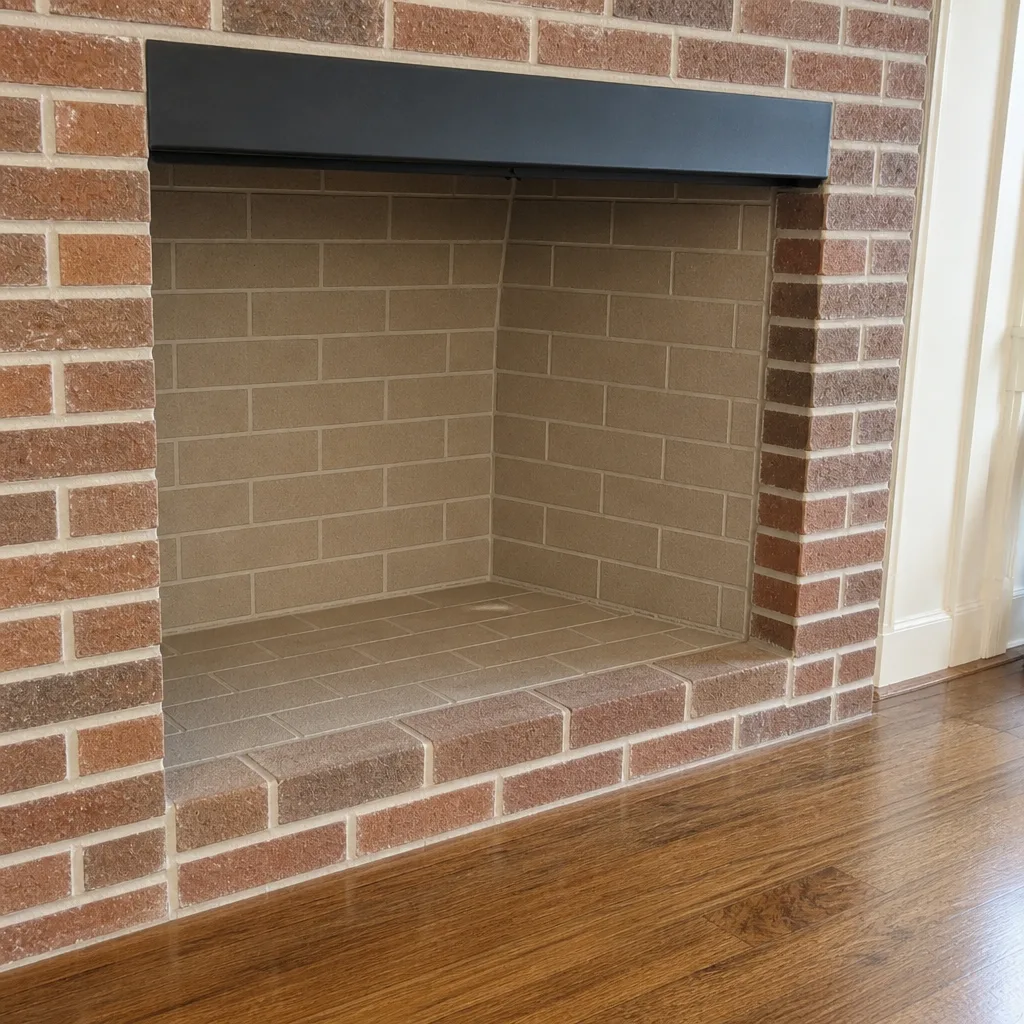
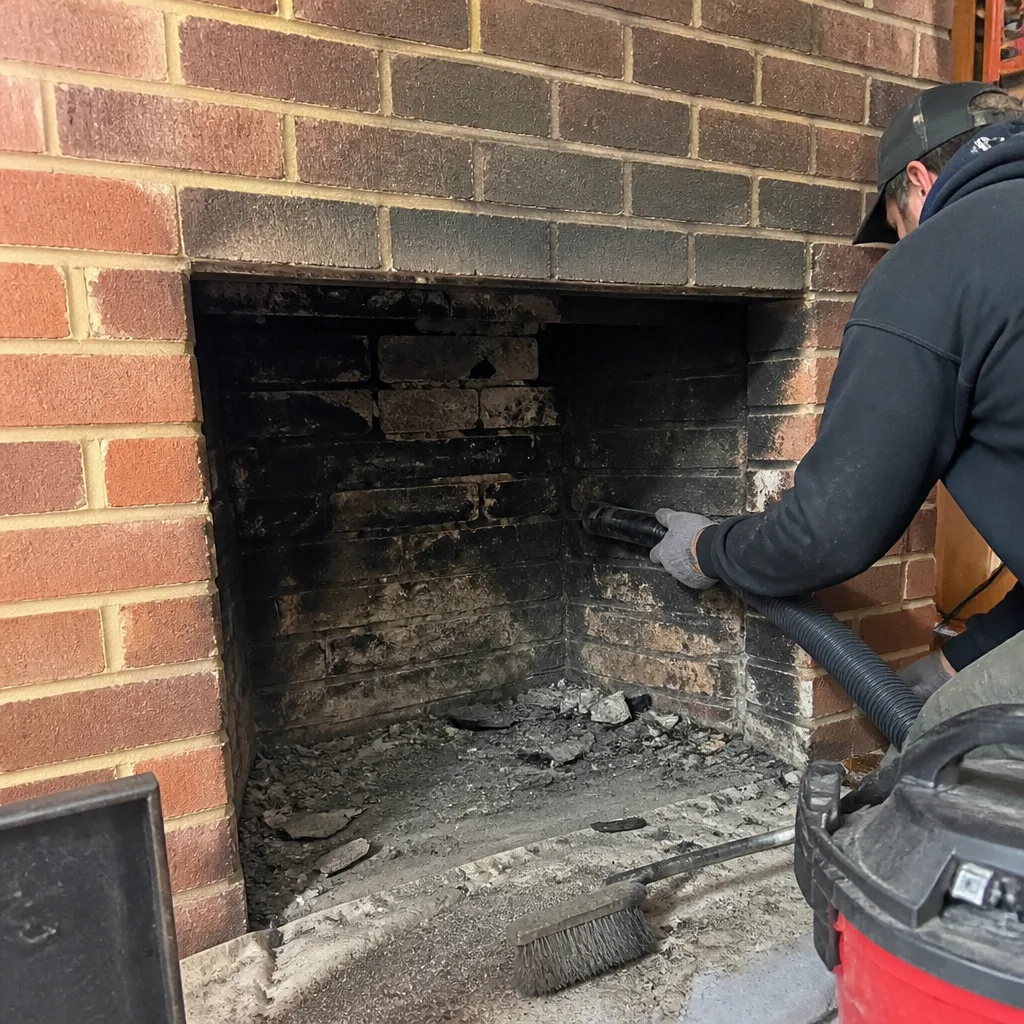
See the difference
 Before
 After
 Before
 After
 Before
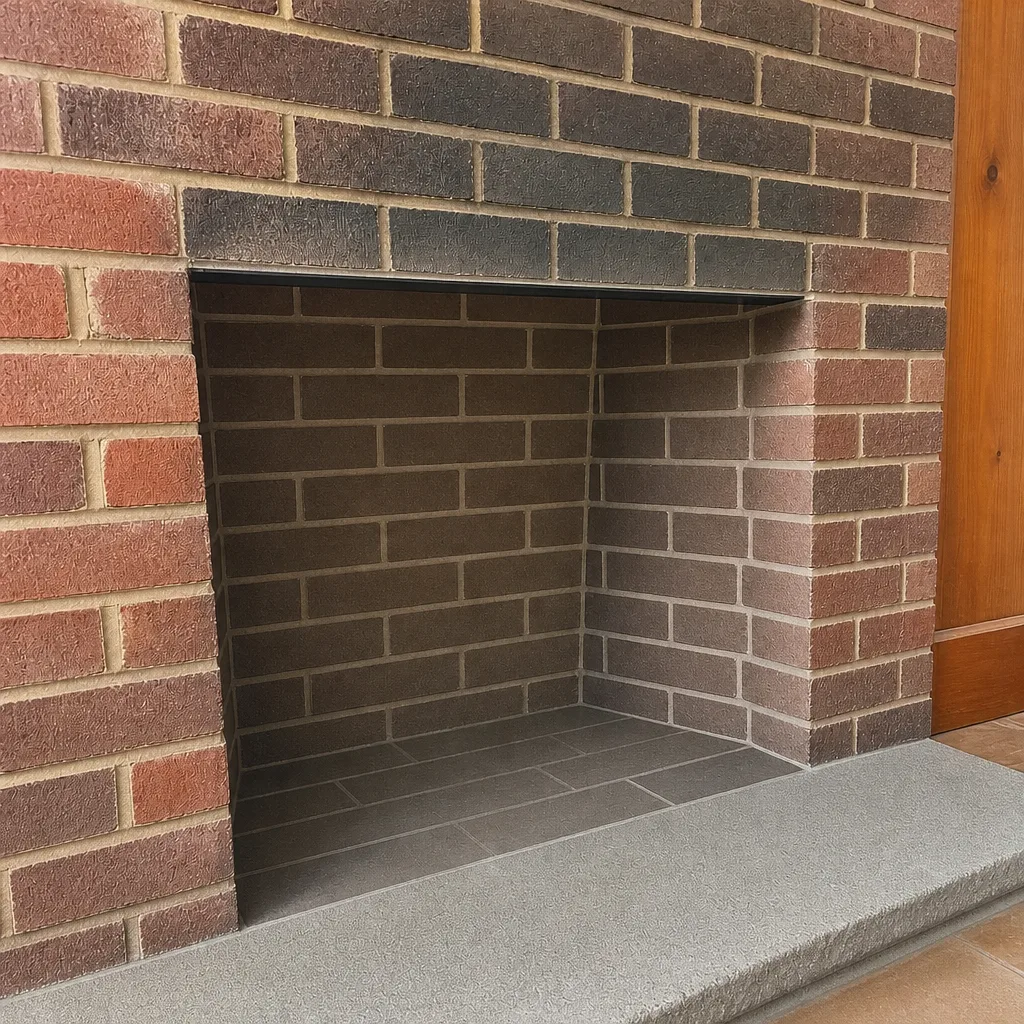 After
When to Call a Professional
Call a professional before the first fire if you’ve just bought a Green Hills home and don’t know the liner’s condition. Call if the damper doesn’t open fully or sticks. Call if smoke ever rolls into the room with the firebox door open. Call for flaking mortar, loose brick, or any cracked firebrick you can move by hand. Call for water staining on the firebox back wall or chalky white staining around the chimney breast. Call if you see shiny, glazed creosote anywhere in the firebox. And call if you can’t see the cap or crown from the ground, because that’s the entry point for the moisture that does the most long-term damage. A trained professional climbs that roofline and reads it with a camera. Chimney Sweep Green Hills offers free estimates in Green Hills, and every recommendation comes with a photo report you can see for yourself. Call (866) 990-4158. We answer 24/7. Fast dispatch from 7am to 7pm, Sunday through Friday.
Frequently Asked Questions
Most sweeps in the Green Hills market land in the typical range for a standard sweep with an inspection, and the written estimate sets the final price before any work begins. A sweep bundled with a camera inspection is the usual way to book it, and a repair, cap, or liner job is quoted separately. The estimate is free and the price is set per job. Call (866) 990-4158 for an exact quote.
Only if there’s evidence the current liner can’t safely contain what you’re burning. A worn terracotta liner with eroded joints often can be resurfaced with HeatShield ceramic instead of replaced, which extends its life without a full tear-out. A cracked or fully failed liner, or a flue that’s offset and won’t take a rigid liner, usually calls for a DuraFlex flexible replacement. We don’t recommend either without camera evidence you can see, and if the liner can safely hold another few seasons we tell you so.
Annual inspection and sweeping when deposits reach roughly a quarter inch in the flue is the general baseline, but your burning habits set the real rhythm. A Green Hills home that burns hardwood most weeks in winter usually needs an annual sweep. A light-use fireplace may only need an inspection each year and a sweep every few. Seasoned wood and regular fires mean less deposit per cord.
Creosote builds up in the flue, and thick or glazed deposits restrict the draft and shrink the safety margin of every fire. Moisture moves in from a failed cap or crown if the top isn’t maintained, and that’s where masonry damage starts. None of that happens overnight. The risk is over successive seasons, which is exactly why a checklist catches it early. Call (866) 990-4158 to schedule an inspection before it does.
You can check five things safely from inside the house and two from ground level: the damper, the firebox brick, the smoke shelf for visible creosote, the first-fire smoke signal, and the cap and crown view from outside. Anything above the firebox, and anything on the roof itself, belongs to a technician. Never enter a flue or climb a roof to inspect. The trained professional is licensed and insured as their state requires, and has the camera and the training for it.
Yes. A pre-sale or post-purchase inspection is the best baseline you can get on a Green Hills home, and it comes with a photo report you can hand to an agent, a buyer, or a lender. Our technicians have up to 14 years of experience reading exactly these signals. Call (866) 990-4158 for a free estimate. We answer 24/7. Fast dispatch from 7am to 7pm, Sunday through Friday.
The Bottom Line
A chimney maintenance checklist for a Green Hills home runs on three checkpoints a year. October before the first fire, January mid-season, and March once the season is done. What you’re watching for is simple: a damper that opens fully, a firebox with sound brick and mortar, smoke that rises, creosote at the opening, and a cap and crown that keep water out. The thresholds tell you when to watch and when to call. The log makes the next visit sharp. A chimney doesn’t fail without warning. The warning just needs a homeowner who knows where to look, and a specialist with a camera when the signal calls for one.
Book your seasonal sweep or inspection with a chimney specialist who covers the full system, from Chimney Sweep Green Hills through every repair the flue and firebox need. Call (866) 990-4158 for a free estimate. We answer 24/7. Fast dispatch from 7am to 7pm, Sunday through Friday.
Written by the team at Chimney Sweep Green Hills.