
Last updated November 24, 2026
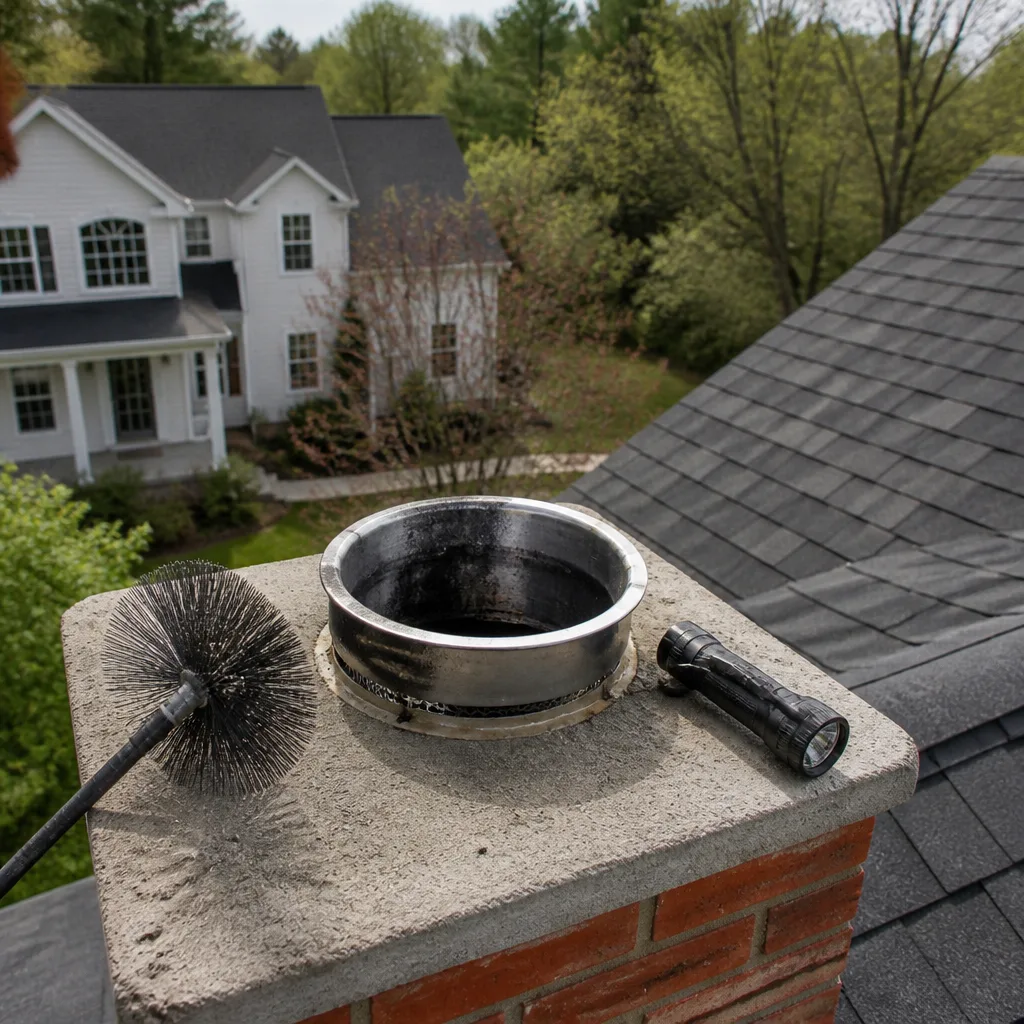 Sweep & inspection
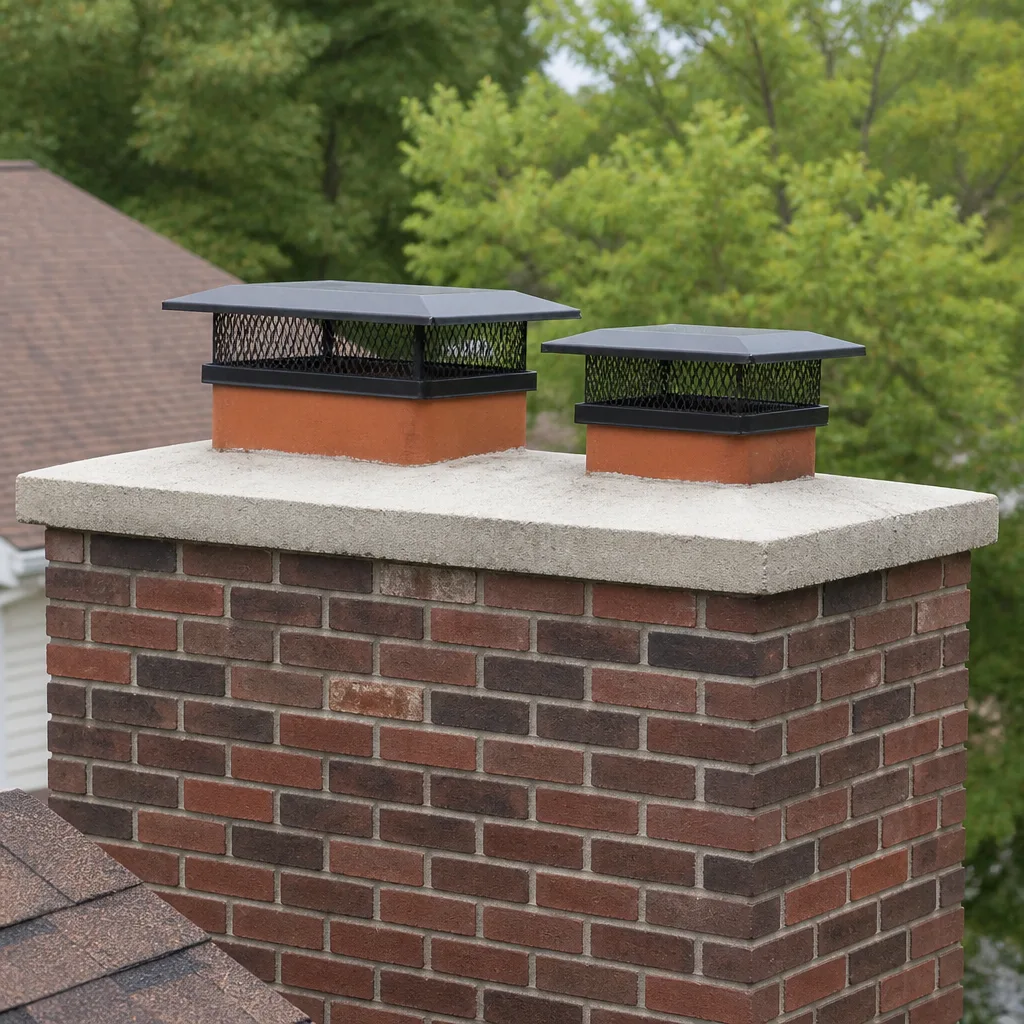 Caps & crowns
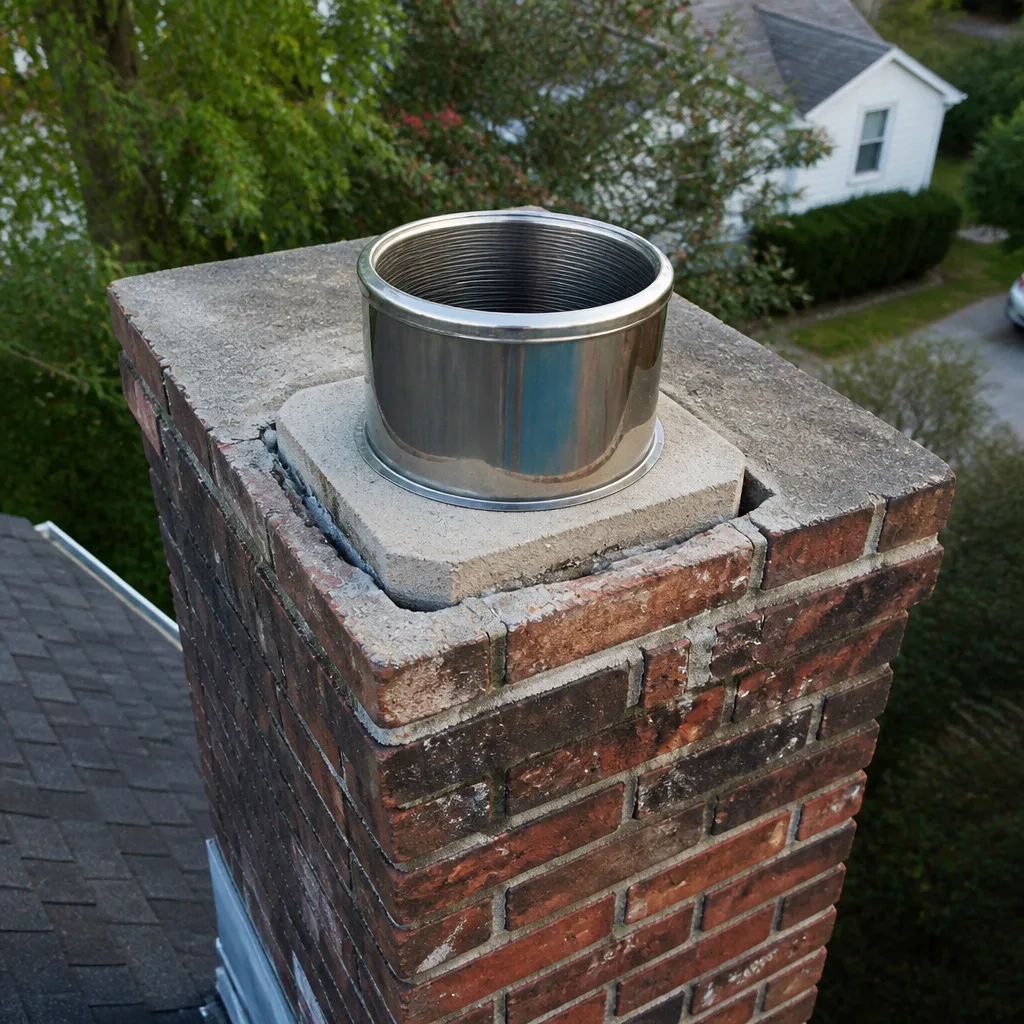 Flue relining
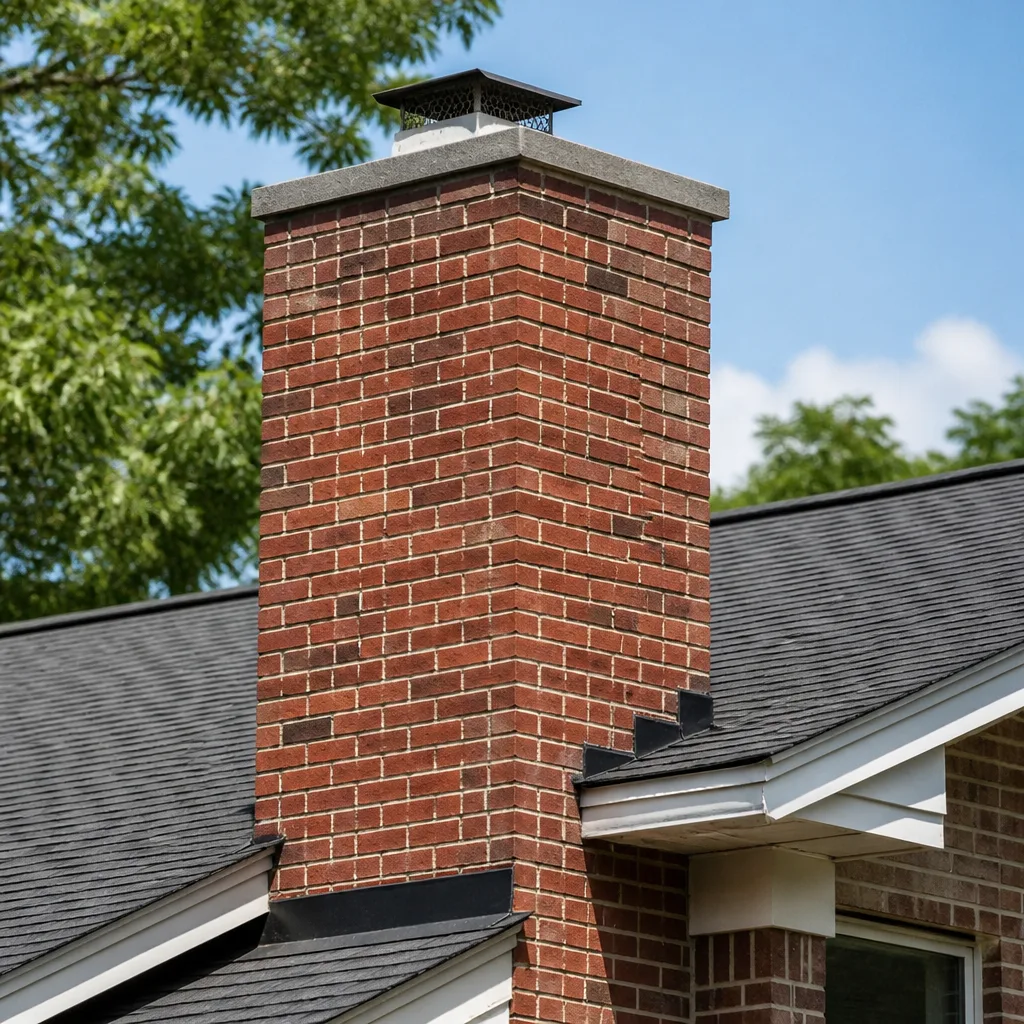 Masonry repair
 Gas fireplace service
Level 1 sweep and inspection to the NFPA 211 annual standard - flue, crown, cap, and flashing checked and photographed
Chimney sweep logs do not sweep chimneys. They loosen some creosote - which then falls where a brush and vacuum still have to collect it.
Chimney Cleaning Warning Signs: A Green Hills Homeowner’s Reference Guide
A strong campfire smell in the living room on a humid July afternoon isn’t a fireplace quirk. It’s creosote vapor moving through a liner breach, and it shows up in summer precisely because the flue is cold and air is flowing downward instead of up. Most chimney problems announce themselves slowly, in ways that are easy to normalize over one or two seasons. A little smoke spill on a windy night. A faint smell after rain. A hairline crack you keep meaning to look at. This guide gives each warning sign a concrete description, a likely cause, and a clear line for when to act. It’s written for Green Hills homeowners who use their fireplaces and want to know what they’re actually looking at.
Quick Answer
The main chimney cleaning warning signs are a smoky or musty odor inside the house, smoke that spills into the room instead of drafting up, a fire that burns lazily or struggles to stay lit, dark staining on the exterior masonry, a damaged or missing cap, rust on the damper, and crumbling firebrick or white powder on the firebox walls. Any of these means the chimney needs to be looked at before the next fire. A handful of them mean stop burning now and have the flue inspected first.
Styles & brands we work with
- Sweep & inspection
- Caps & crowns
- Flue relining
- Masonry repair
- Gas fireplace service
Table of Contents
- The Smell Index: What Chimney Odors Actually Mean
- What Your Firebox Is Telling You
- Smoke Behavior: Blockage, Draw Problem, or Wind Issue?
- Exterior Warning Signs You Can See From the Ground
- Stop Burning Now vs. Schedule a Sweep
- Why Green Hills Chimneys Age the Way They Do
- What a Proper Inspection Should Document
- Building a Seasonal Check Routine
The Smell Index: What Chimney Odors Actually Mean
Chimney odors are diagnostic. Each one points at a different part of the system, and telling them apart saves you from chasing the wrong problem. A musty smell is usually moisture. A sharp, acrid smell is usually active creosote. A sulfurous or ammonia-like smell can point to animal intrusion or, in some cases, a backdrafting gas appliance. The nose is a genuinely useful instrument here, provided you interpret it correctly.
- Musty or damp-earth smell: Moisture getting in, usually through a failed crown, a missing cap, or masonry that has absorbed water. It’s strongest after rain and in humid weather. This is a water-entry problem before it’s a cleaning problem.
- Sharp, acrid, campfire-in-the-room smell: Active creosote, often with a liner breach or a flue that isn’t drafting. It can appear in summer because a cold flue pulls air downward, carrying the odor with it.
- Sulfurous, ammonia, or dead-animal smell: Birds, squirrels, or raccoons nesting in the flue, or a blocked cap. A gas appliance issue can also produce unusual odors, and that requires a different response than a chimney sweep.
- Smoky smell that appears only on firing up: A cold-flue draft problem, sometimes a partially blocked flue. If it clears once the fire is established, it’s usually a draw issue, not a cleaning emergency.
In our experience, the summer smell is the one homeowners most often misread. It doesn’t mean the chimney magically worsened in July. It means the cooler, heavier air is descending and pushing stale creosote odors into the living space. It’s worth a call to schedule a chimney sweep and a camera look at the flue.
What Your Firebox Is Telling You
The firebox is the part of the system you can inspect without climbing anything. Three visible indicators are worth learning: white efflorescence, rust streaking, and spalling firebrick. Each one maps to a different structural story, and each tells you whether you’re looking at a cleaning item or a repair item.
- White efflorescence on the back wall. That chalky white bloom is mineral salts left behind as water moves through the masonry and evaporates. It’s a moisture signature. Water is entering somewhere above and traveling down, and the firebox is where it’s showing up.
- Rust streaks on the damper plate or firebox components. Rust doesn’t form in a dry chimney. It points to water reaching metal parts, often because a cap is missing or the crown has cracked and stopped shedding. A rusted damper can also stop sealing, which makes the chimney leak air year-round.
- Spalling or crumbling firebrick. Firebrick that flakes, pits, or crumbles at the joints has been through repeated heating and cooling cycles, and often water exposure. Loose brick or open joints in the firebox are a repair item, not something a sweep resolves.
Any one of those three is worth a documented inspection. Two or more together usually point to a water-entry problem that’s been running for more than one season. Firebox work is one of the areas where we lean on professional fireplace repair rather than a patch, because the firebox is the part of the system taking the most direct heat.
Smoke Behavior: Blockage, Draw Problem, or Wind Issue?
Smoke that doesn’t go up the flue isn’t automatically a blockage, and treating it as one wastes money. There are three distinct causes, and they call for three different fixes. Getting the diagnosis right is most of the job.
- Smoke rolls out steadily, even on calm days, and worsens. A partial blockage is likely. Nests, fallen masonry, or heavy creosote can narrow the flue. This is the category that most often needs a sweep or inspection to confirm with a camera.
- Smoke spills only when you light the fire, then clears. Cold-flue draw. The flue is cold and heavy, and the fire has to fight it to establish draft. A pre-heat habit usually helps, but if it’s getting worse year over year, the flue may be narrowing.
- Smoke spills only on certain windy days or from certain directions. Pressure and wind effects. This usually means a cap issue, a chimney height problem relative to the roofline, or a house that’s tight enough to fight the flue for air. Different fix entirely.
Green Hills sits among mature trees and rolling ridgelines, and wind behavior around rooftops here varies block to block. Two houses a few doors apart can have completely different draft experiences. That’s why a site visit matters more than a phone diagnosis. If smoke is spilling and you’re not sure which category you’re in, stop burning and have it looked at.
Exterior Warning Signs You Can See From the Ground
Stand back from the house with a pair of binoculars and you can catch most exterior warning signs without a ladder. Here’s what to look for, described so you know exactly what you’re seeing.
- Horizontal cracks in the crown. The crown is the concrete or masonry slab at the very top, and it’s meant to shed water away from the flue. Look for cracks running sideways across it, or a visible gap where the crown meets the flue. A cracked crown is the single most common water-entry point we find.
- A missing or damaged cap. The cap is the cover over the flue opening. If you can see a dark open hole at the top of the chimney, there’s no cap, or it’s been knocked off. That’s an open door for rain, birds, and debris.
- Staining below the flashing line. Flashing is the metal seal where the chimney meets the roof. Dark vertical staining below it means water is tracking down the masonry. Light or white staining can mean efflorescence working through the outside face.
- Spalling exterior brick. Brick faces that are flaking, popping off, or leaving crumbs on the roof below are showing freeze-thaw and moisture damage.
Cap and crown work is its own specialty. We install and service chimney cap & crown components from Gelco and Famco, because those two parts are where most long-term masonry damage starts. If you can see a problem from the ground, it’s worth a free estimate.
Stop Burning Now vs. Schedule a Sweep
The most useful distinction in this whole guide is the one between a stop-now sign and a schedule-it sign. Getting that line right is how you avoid both unnecessary panic and unnecessary risk.
Stop using the fireplace immediately if you notice:
- Smoke rolling into the room and not clearing, especially if it worsens over a single fire. That’s a venting problem and burning makes it worse.
- A strong acrid smell inside the house while the fire is burning. That points at creosote vapor escaping through a breach.
- Visible cracks in the firebox or loose firebrick. Heat and embers can pass through an open joint.
- Soot or debris falling into the firebox while burning. Something above is failing or blocking.
- A carbon monoxide alarm sounding. Leave the house and call for help, then have the chimney and any gas appliances checked.
These are advisory and can wait for a scheduled sweep:
- A summer smell that clears when the weather changes.
- Light efflorescence with no other symptoms.
- A cold-flue smoke puff on light-up that resolves quickly.
- Visible staining on exterior brick with no interior symptoms.
Advisory doesn’t mean ignore it. It means you can book a sweep and inspection on a normal schedule rather than a rushed one. If you’re unsure which side of the line you’re on, describe what you’re seeing when you call Chimney Sweep Green Hills and we’ll tell you whether to stop burning.
Why Green Hills Chimneys Age the Way They Do
Green Hills gives chimneys a specific set of working conditions. The climate swings between humid summers and cold winters with repeated freeze-thaw cycles, and that’s hard on masonry. Water gets into brick and mortar, expands when it freezes, and pushes the face off a little more each winter. The result shows up as spalling and crown cracking, and it’s why exterior inspection matters here.
The other factor is the housing stock. Many homes in the area have older masonry chimneys with offset flues, meaning the flue steps sideways or bends rather than running straight up. Offset flues are hard to sweep properly with standard brushes and hard for rigid liners to fit. That’s where flexible liner work comes in. We install DuraFlex liners specifically because they handle offsets and older flue shapes that rigid liners won’t. It’s the kind of install that separates a chimney specialist from a generalist who adds chimney work as a side service.
Homes here also tend to sit under mature trees, which increases debris in the flue and animal nesting in uncapped chimneys. Neither is a dramatic problem. Both compound if left alone for a couple of seasons.
What a Proper Inspection Should Document
A useful inspection produces a record, not a verbal summary. You should be able to look at what the technician found with your own eyes and decide whether the recommendation makes sense. Anything less is asking you to trust a judgment you can’t verify. Here’s the standard we hold ourselves to.
- A camera look inside the flue. Not just a glance from the top. The camera shows the condition of the liner, any creosote deposits, and any blockages.
- Photos you can see. The findings should be documented with images, not adjectives. If a liner breach is being recommended for repair, the photo should show it.
- A written report with clear recommendations. What’s urgent, what’s advisory, and what can safely wait another season.
- An honest “not yet.” If the chimney doesn’t need work, the report should say so plainly.
We also assess whether HeatShield ceramic resurfacing is an option before recommending a full liner replacement. HeatShield is a liner-restoration method that most generalists don’t carry, and it can extend the life of a ceramic flue without a full tear-out. Olympia Chimney components come into play on certain liner and cap configurations. The point is to match the repair to what the flue actually needs, not to the most expensive option available.
Building a Seasonal Check Routine
A fifteen-minute routine a couple of times a year catches most of what this guide describes. It won’t replace an inspection, but it will tell you when to book one.
- Before the first fire of the season: open the firebox, look for efflorescence, rust, or spalling firebrick. Check the damper seal. Look up the flue with a flashlight.
- Walk outside and look up: check the crown for horizontal cracks, confirm the cap is in place, and look for staining below the flashing line.
- After heavy rain: notice any musty smell in the room. That’s your moisture indicator.
- Mid-winter: pay attention to how the fire draws. A change in draft between October and February is worth noting.
- Spring, after the last fire: this is a good time to book a sweep and inspection so any repair happens in warm weather rather than on a cold roof.
Common Mistakes to Avoid
- Treating the summer smell as harmless. It’s often the first visible sign of a liner breach, and it’s easy to dismiss as a fireplace quirk. If it repeats year after year, it’s a pattern worth investigating.
- Sweeping without an inspection. A sweep cleans the flue. It doesn’t tell you whether the liner, crown, or firebox needs work. Both matter, and a specialist should document both.
- Assuming a small exterior crack will wait. Crown cracks widen with freeze-thaw cycles, and a small problem in October can be a masonry repair by spring.
- Booking a generalist for a chimney-specific problem. Offset flues, liner retrofits, and ceramic resurfacing are specialist work. A general contractor who adds chimney work as a side service usually lacks the materials depth.
- Patching a firebox without finding the water source. Efflorescence and spalling point to moisture above. Repairing the firebox without fixing the crown is a short-term fix.
- Ignoring a draft change that develops over a single season. A chimney that drafted fine last winter and doesn’t this winter is telling you something changed in the flue.
- Burning through a stop-now sign. If smoke is rolling into the room, stop. Burning through the problem makes the repair bigger every time.
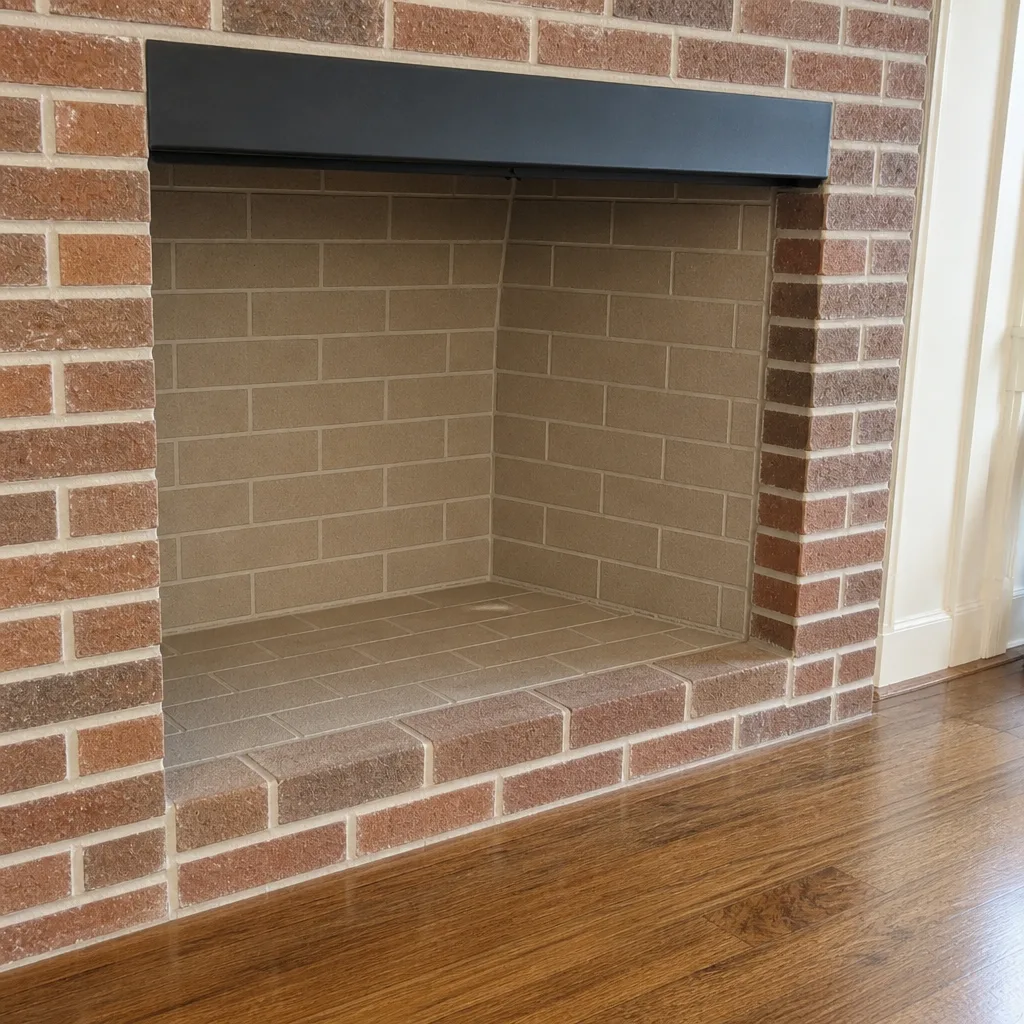
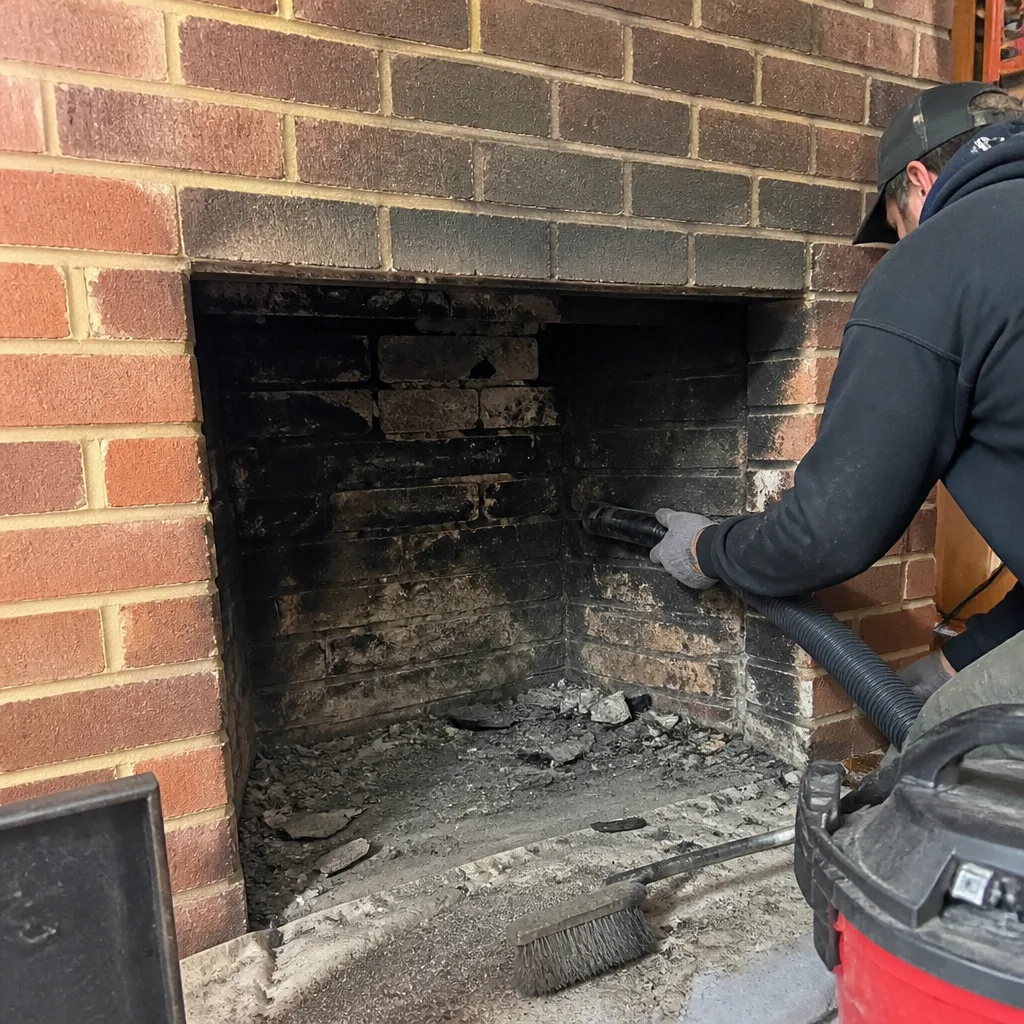
See the difference
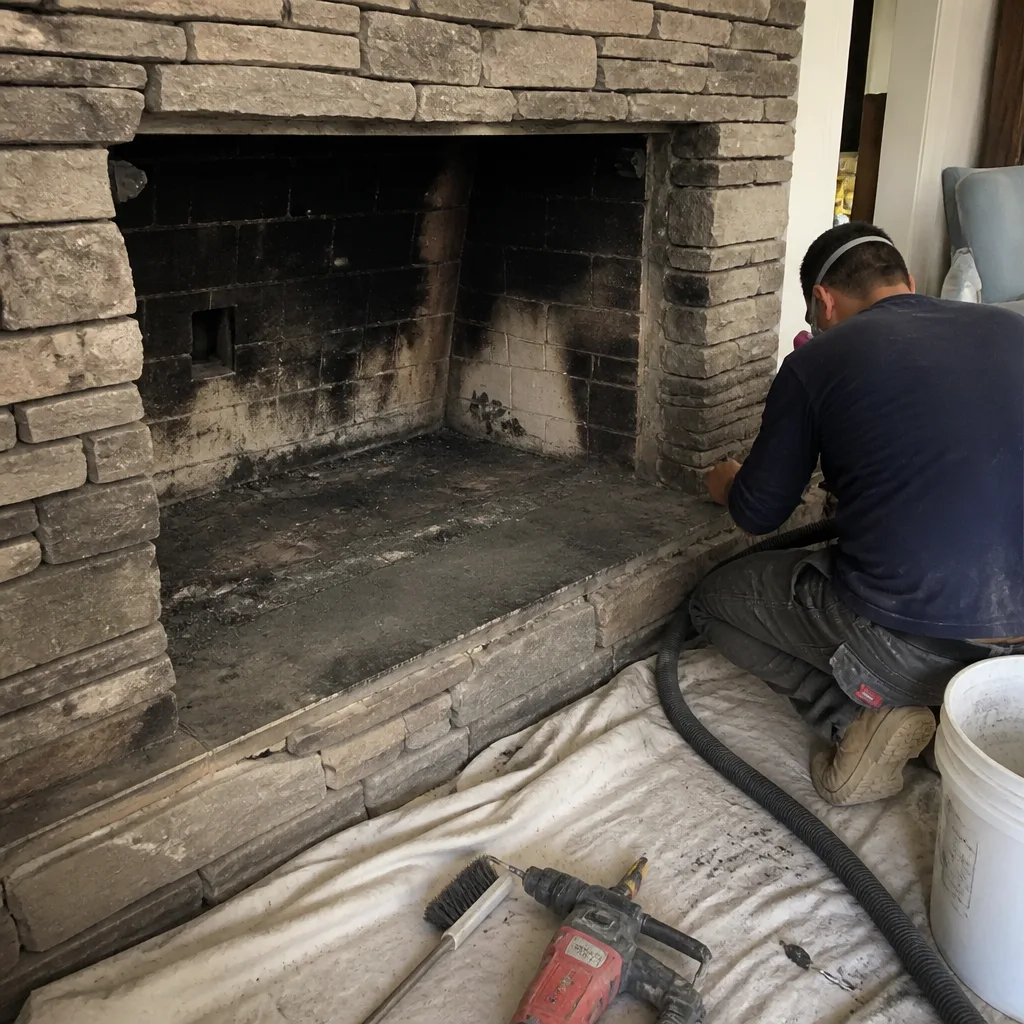 Before
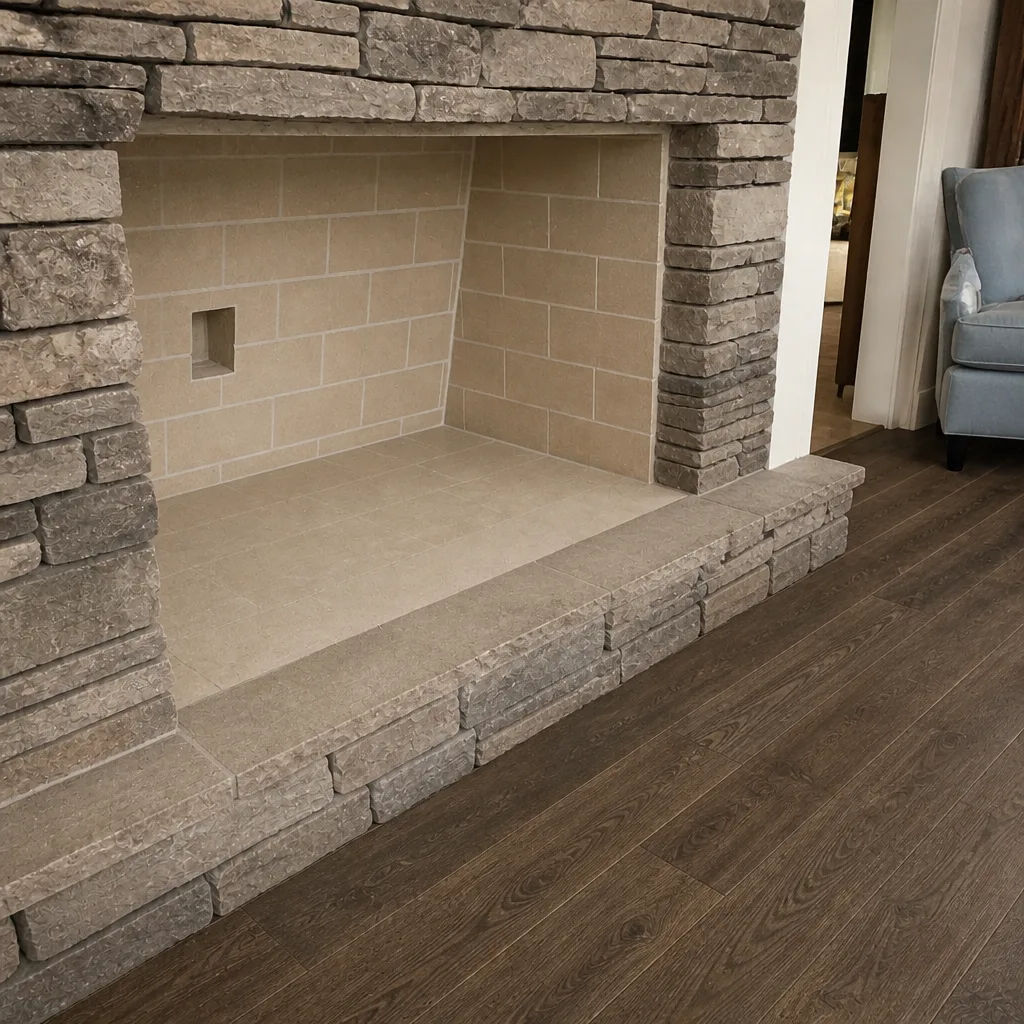 After
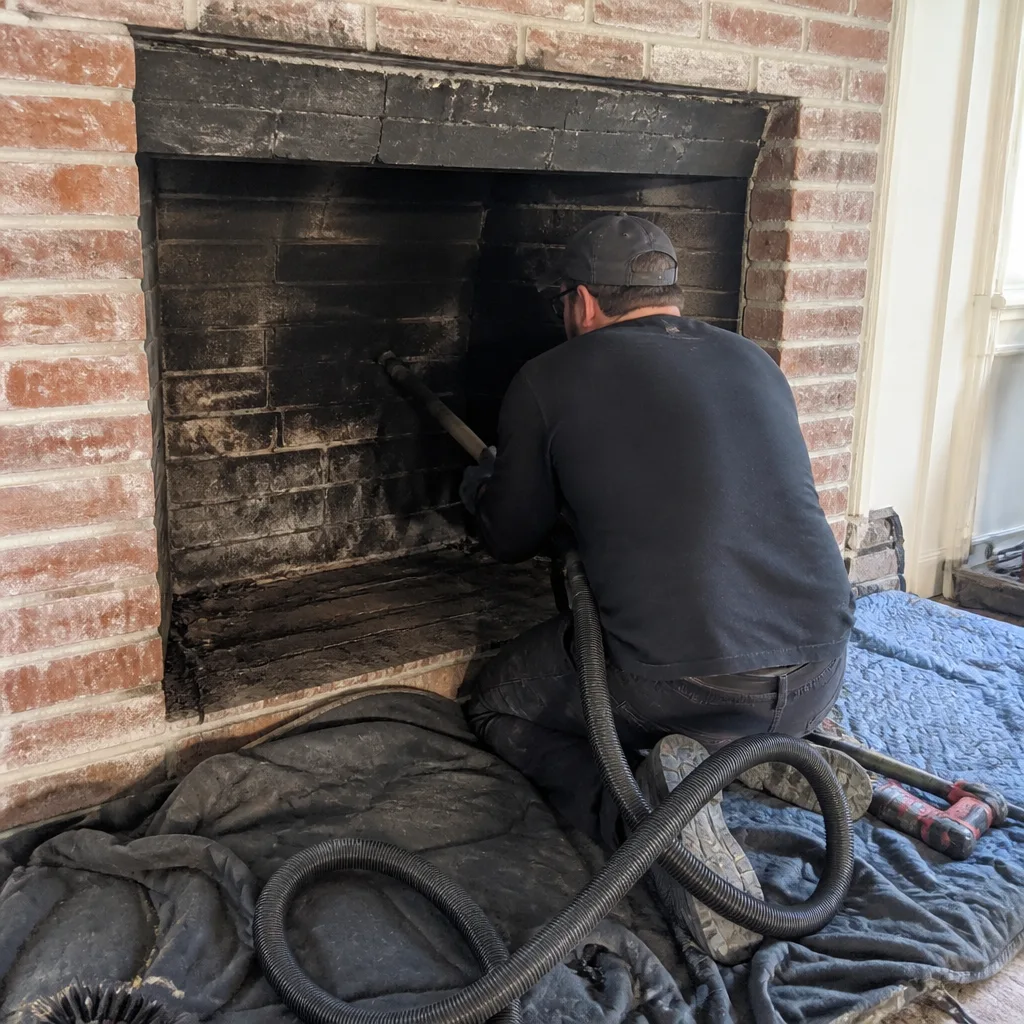 Before
 After
 Before
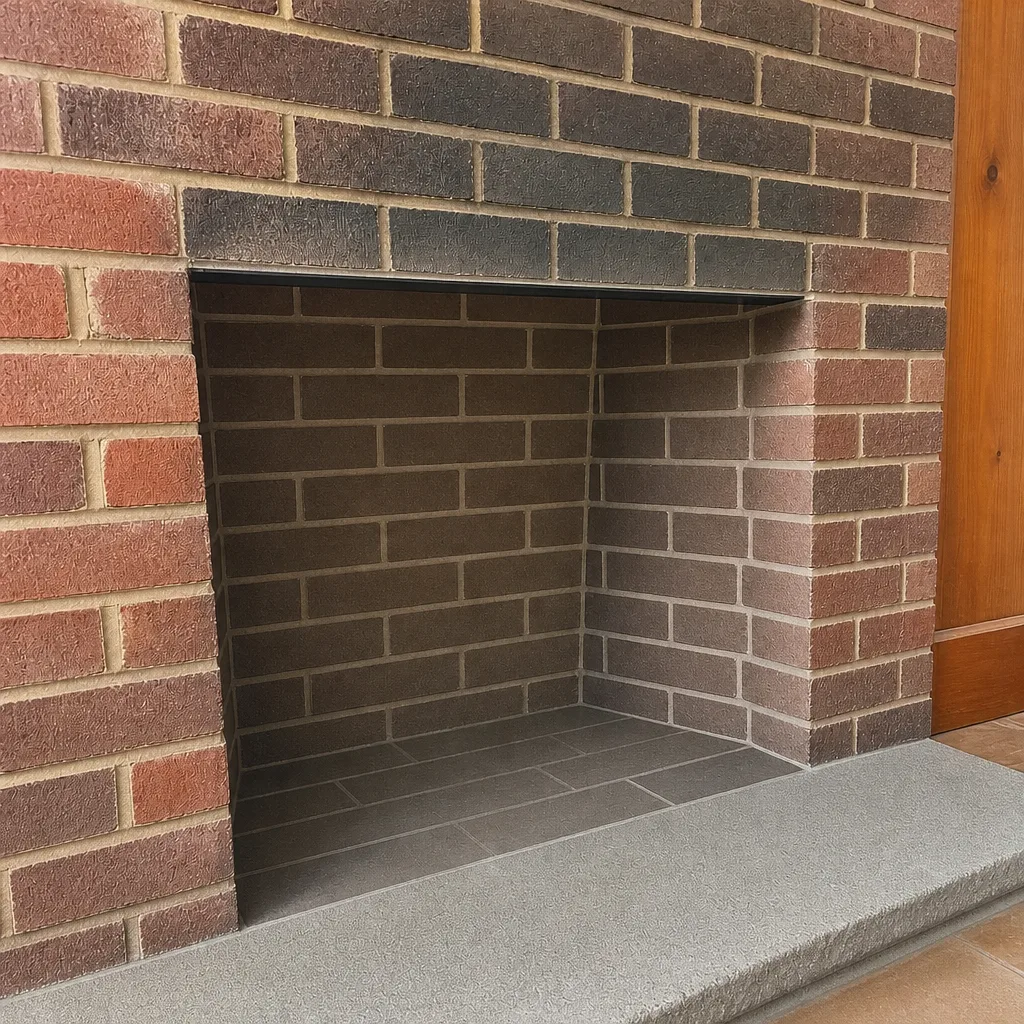 After
When to Call a Professional
Call a professional if you see any of the stop-now signs, if the smell keeps returning after rain or in summer, if the smoke behavior has changed since last season, or if you can see a crown or cap problem from the ground. Also call before closing on a house with a fireplace, or before listing one, because a documented inspection is worth more than a verbal “it looked fine.” A chimney fire or carbon monoxide event is a serious hazard, and the way to avoid one is to have the flue inspected and swept when the signs say it’s due. Our technicians have up to 14 years of experience, and in Green Hills we offer free estimates. Call (866) 990-4158. We answer 24/7. Fast dispatch from 7am to 7pm, Sunday through Friday.
Frequently Asked Questions
Most chimneys used regularly should be swept and inspected once a year, with additional inspections after any event that could have damaged the flue. The precise answer depends on how much you burn and what you burn. If you burn often and see any of the warning signs in this guide, don’t wait for the annual mark. Call (866) 990-4158 for an exact quote and a free estimate.
A musty smell usually means moisture is getting in through a failed crown, a missing cap, or water-absorbing masonry. It’s not a cleaning problem first, it’s a water-entry problem. Find and fix the entry point before it turns into a masonry repair. Call (866) 990-4158 and we’ll come look at it with you.
No. A campfire smell inside the living space in warm weather usually means creosote vapor is moving through a liner breach or a flue that’s drafting downward because the air is cold. It’s one of the more useful warning signs because it appears when the chimney isn’t in use. Call (866) 990-4158 for a free estimate.
No. Smoke in the room means the flue isn’t venting properly, and burning through it can be dangerous. Stop using the fireplace and have the flue inspected. The cause could be a blockage, a draw problem, or a wind effect, and each needs a different diagnosis. Call (866) 990-4158 to schedule an inspection.
A sweep removes creosote; it doesn’t repair a damaged liner. If the camera shows a breach, cracks, or a failing ceramic flue, lining is the actual repair. We also assess whether HeatShield ceramic resurfacing can restore the existing flue instead of a full replacement. The inspection report should show you the evidence. Call (866) 990-4158 for a free estimate.
Wind-only smoke problems are usually pressure or cap issues rather than blockages, and the fix is different. A cap replacement, a height adjustment, or a tighter house drawing air away from the flue can all be causes. A proper inspection sorts which one applies. Call (866) 990-4158 and we’ll look at it with you.
The Bottom Line
Chimney problems rarely announce themselves. They show up as a smell, a draft change, a puff of smoke, or a line of staining on the brick. The homeowner who learns the small number of signs in this guide catches problems early and avoids the bigger repair. The rhythm is simple: look at the firebox, look up at the crown and cap, notice the smell and the smoke behavior, and book a documented sweep and inspection when something changes. Our technicians have up to 14 years of experience, and we serve Green Hills with the full range of chimney work. Call (866) 990-4158. We answer 24/7. Fast dispatch from 7am to 7pm, Sunday through Friday.
Written by the team at Chimney Sweep Green Hills.